
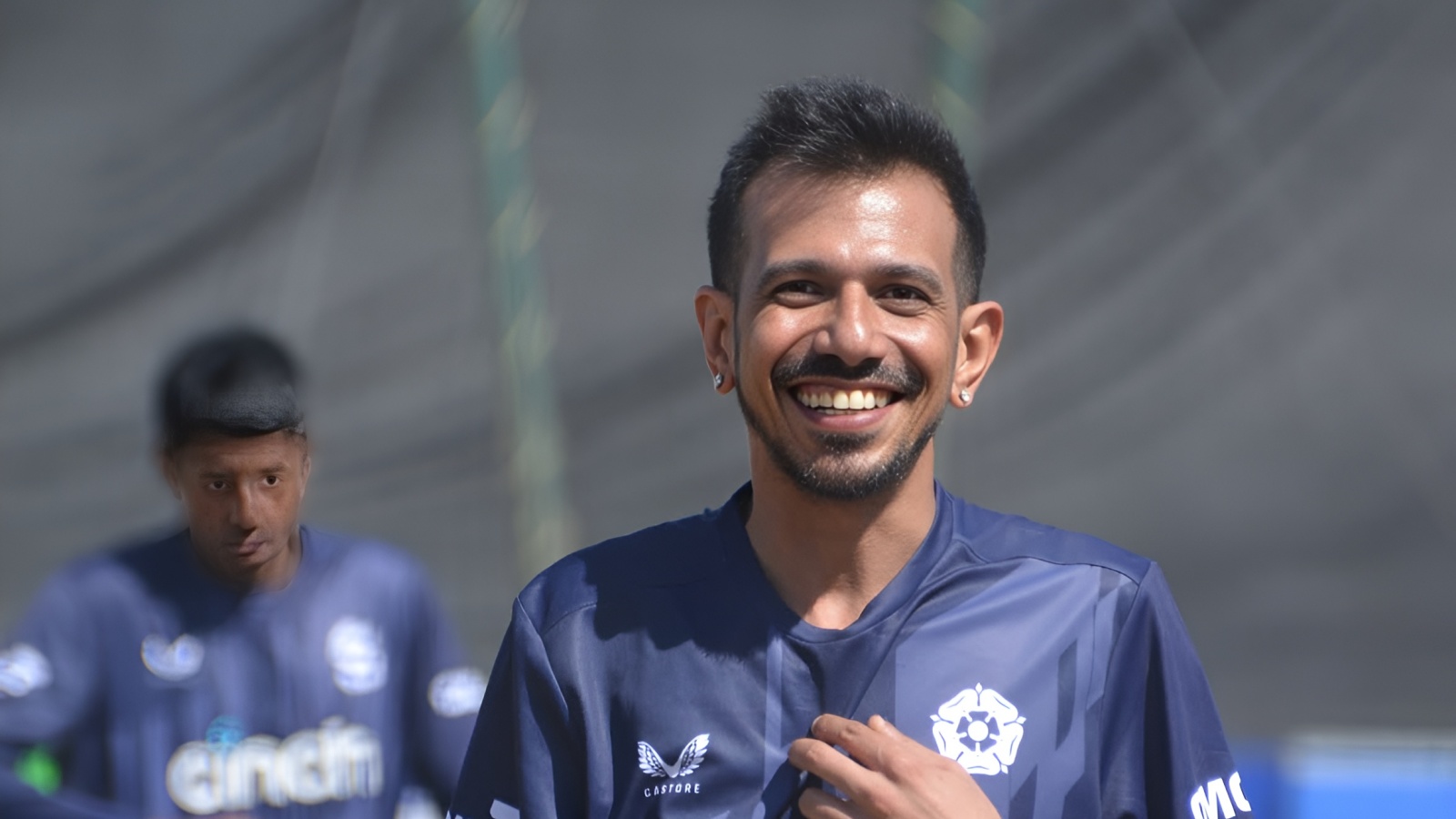
Indian cricketer Yuzvendra Chahal recently opened up about his dependence on alcohol and how it affected him at a personal and professional level. In a conversation with former Indian cricketer Aakash Chopra on the Baith and Bol podcast, Chahal regrettably admits the damage that alcohol did to his life, especially at the time of his divorce — and his time at a rehabilitation centre, which helped unlock his “new, more mature” version.
Asked when he decided to give up alcohol, he revealed, “I think after last year’s county. Zyada ho gaya tha, limit cross kar di thi (It got too much. I had crossed the limit).”
Upon realising the alcohol-induced damage, he then went to a rehabilitation centre, where he stayed for 26 days.
DISCLAIMER: This article is based on information from the public domain and/or the experts we spoke to. Always consult your health practitioner before starting any routine.
“Mujhe ab pata hai isko kaise peena hai, kya karna hai. Us cheez se bahut farak pada mujhe (Now I know how to handle drinking and what to do. That made a huge difference to me),” he said, adding that he had begun to understand his personal life more maturely and manage his emotions better.
“Emotions thode kam ho gaye. Matlab emotion hai lekin ab waise nahi hai ki har cheez mein nikalna,” Chahal shared with hope in voice, explaining how he still experiences emotions, but they no longer spill out over everything.
Chahal also spoke about the difference he noticed in his physical health and daily routine. “Last year IPL me gaya, my body now feels like I am 30 years old. Gym perfect bhi kar raha hoon apna, fielding practice kar raha hoon, training kar raha hoon, sab kuch kar raha hoon,” he said. (last year I went to IPL, I am also doing gym, training, and field practice perfectly).
Story continues below this ad
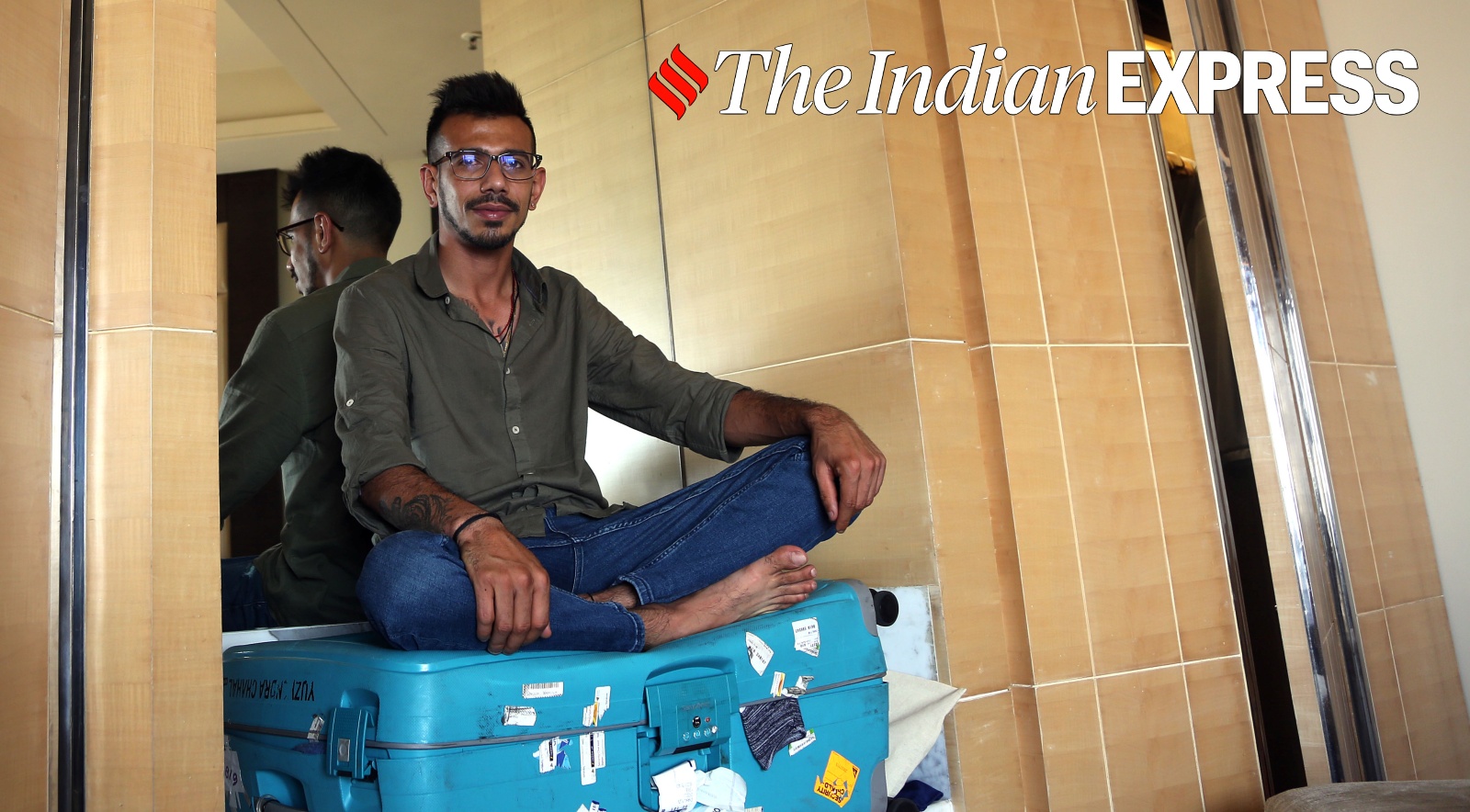 Yuzvendra Chahal says he was ‘young blood’ and let alcohol become a part of his life
Now, he admits that he doesn’t need alcohol to be able to have a decent conversation with people, and prefers the current version of himself where he feels more mature. “Pata lag gaya ab ki ye cheez life se niklegi to (good things will happen),” he added [I have realised that if alcohol leaves, good things will happen]
During the conversation, Chahal didn’t hesitate in admitting that the way he handled his personal life, especially post-divorce, could have been handled much better in a sober lifestyle. “Main cheezein aur achi better kar sakta tha even in my personal life. Cricket to nahi hua itna affect par personal life mai aur better kar sakta tha.”
(I could have done things in a much better manner, especially in my personal life. Cricket didn’t get affected as much as my personal life did. I could have handled my personal life in a better way)
How alcohol can become a coping mechanism during a difficult phase
Story continues below this ad
Chahal’s experience raises questions about how alcoholism can have an even more devastating impact during emotionally challenging periods.
“When a person is going through a divorce alcohol can become a way to cope with grief, loneliness and distress,” Dr Gopal Bhatia, consultant psychiatrist at Narayana Hospital, Ahmedabad, tells indianexpress.com.
Even though alcohol can numb feelings for a while, as Dr Bhatia notes, heavy drinking can make anxiety “worse, break sleep, and cloud judgment”. This can make conflicts slow healing so that a person cannot deal with feelings and cannot learn better ways to cope.
Can giving up alcohol help a person become more emotionally mature?
Story continues below this ad
According to Dr Bhatia, stopping alcohol consumption can support emotional growth by encouraging people to face their feelings rather than hide from them — which is also what Chahal shared.
“Long-term abstinence can make sleep, thoughts clearer and emotions steadier,” the psychiatrist said. It can also help a person take responsibility, communicate more effectively, and make wiser choices.
With reflection and the right support, sobriety can help people learn to deal with difficult situations in healthier ways. However, recovery can look different for everyone, and professional support may be important when alcohol use has become difficult to control.
Chahal also added that he has overcome his dependence on alcohol to be able to speak to people. “Over time, when a person learns to talk without alcohol, it shows that a person has confidence, better emotional control, and feels comfortable in social settings without using substances,” the psychiatrist explains.
Story continues below this ad
DISCLAIMER: This article is based on information from the public domain and/or the experts we spoke to. Always consult your health practitioner before starting any routine.
.
HELP IS A
CALL AWAY
Mental health helpline numbers
AASRA
Contact: 9820466726
Email: aasrahelpline@yahoo.com
Timings: 24×7
Languages: English, Hindi
Snehi
Contact: 9582208181
Email: snehi.india@gmail.com
Timings: 10am – 10pm, all days
Languages: English, Hindi, Marathi
Fortis MentalHealth
Contact: 8376804102
Timings: 24×7; All days
Languages: Achiku, Assamese, Bengali, Dogri, English, Gujarati, Hindi, Kannada, Konkani, Malayalam, Marathi, Punjabi, Rajasthani, Tamil, Telugu, Urdu
Connecting NGO
Contact: 9922004305, 9922001122
Email: distressmailsconnecting@gmail.com
Timings: 12pm – 8pm; All days
Languages: English, Hindi, Marathi
Vandrevala Foundation
Contact: 18602662345
Email: help@vandrevalafoundation.com
Timings: 24×7
Languages: Hindi, Marathi, Gujarati and English
If you or someone you know is struggling, please reach out. These lines are staffed by trained volunteers or professionals and calls are typically confidential.
.

Leave a Reply