

A blood pressure reading of 179/119 mmHg is extremely high and requires urgent medical attention. Even if you feel fine, this reading can indicate a risk to your heart, brain, kidneys, and other vital organs. What should you do immediately after seeing these numbers, and which symptoms mean you need emergency care?
A question posted on Quora raised this concern: Should I worry that my blood pressure is high at 179/119?
We reached out to Dr Vineeta Singh Tandon, Senior Consultant, Internal Medicine, ISIC Multispeciality Hospital, to understand the risks associated with such a high reading, what could cause it and how it should be managed.
DISCLAIMER: This article is based on information from the public domain and/or the experts we spoke to. Always consult your health practitioner before starting any routine.
How dangerous is a blood pressure reading of 179/119?
“A blood pressure reading of 179/119 mmHg is extremely high and requires urgent medical attention. It is very close to the range considered a hypertensive crisis,” Dr Tandon explains.
At such high levels, blood vessels and vital organs can come under considerable strain. “If blood pressure remains this high, it can increase the risk of stroke, heart attack, heart failure, kidney damage and vision problems,” she says.
A hypertensive emergency occurs when severely elevated blood pressure is accompanied by acute damage to organs. However, a reading this high warrants urgent medical assessment, even without noticeable symptoms.
Story continues below this ad
“Even if symptoms are absent, the risk of serious complications rises substantially, making prompt evaluation by a healthcare professional essential,” Dr Tandon adds.
 Screenshot of the query posted on Quora
What should you do immediately after getting this reading?
If your blood pressure is 179/119 mmHg, sit down, remain calm and rest quietly for five minutes before checking it again. Make sure you are seated properly, with your back supported and feet flat on the floor. Avoid smoking, caffeine and physical activity before repeating the measurement.
However, do not let a repeat reading delay medical care. Contact a healthcare professional immediately for guidance, even if you feel well.
“If the second reading remains very high, contact a doctor immediately or visit an emergency facility,” Dr Tandon advises.
Story continues below this ad
If you experience chest pain, shortness of breath, a severe headache, confusion, dizziness, weakness on one side of the body, difficulty speaking, blurred vision or loss of consciousness, seek emergency medical care immediately. Do not wait to repeat the reading if these symptoms are present.
Can blood pressure be dangerously high without symptoms?
Yes. Blood pressure can reach dangerously high levels without causing noticeable symptoms.
“High blood pressure is often called a ‘silent killer’ because many people feel completely normal despite having readings that can damage organs,” Dr Tandon explains.
Feeling fine does not mean there is no risk. Persistently elevated blood pressure can damage the brain, heart, kidneys and eyes over time. A sudden, severe rise accompanied by acute organ damage can become a medical emergency.
Story continues below this ad
This is why a reading of 179/119 mmHg should be taken seriously, regardless of how you feel.
What can cause blood pressure to rise so sharply?
A sudden rise in blood pressure can occur even in someone who has never been diagnosed with hypertension.
“Several factors can trigger a sudden and severe rise in blood pressure, even in someone without a known history of hypertension,” Dr Tandon says.
These include extreme stress, severe pain, anxiety, kidney disease, certain hormonal disorders, sleep deprivation, stimulant drugs and excessive alcohol intake. Some medications, including decongestants and steroids, can also raise blood pressure. Pregnancy-related complications and adrenal gland disorders are other possible causes.
Story continues below this ad
Sometimes, a severe episode of high blood pressure leads doctors to investigate an underlying condition that had not previously been identified.
What if you are already taking blood pressure medication?
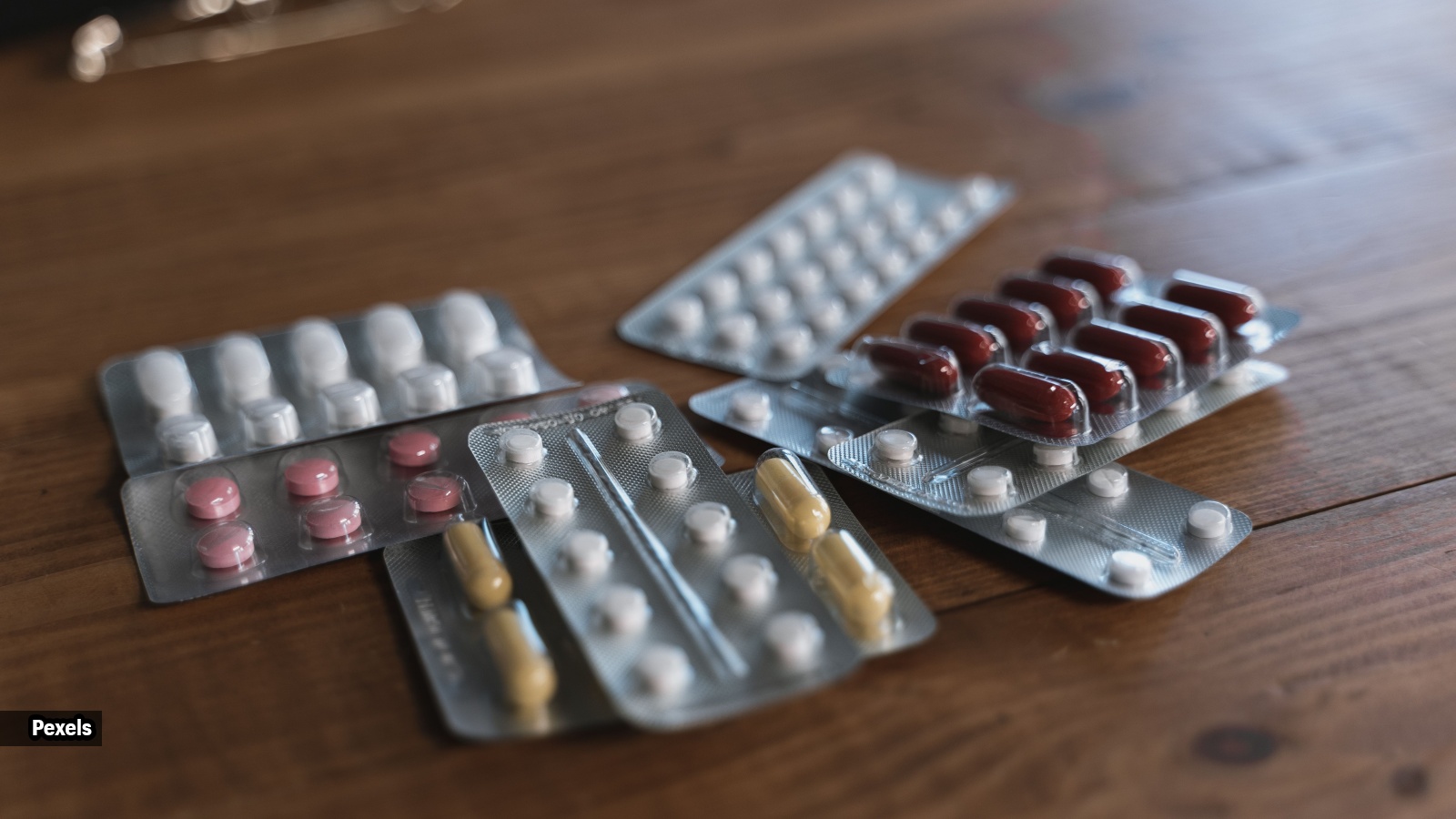 People already taking blood pressure medication should not automatically take an extra dose unless specifically instructed by their doctor
If you are already taking medication for hypertension, do not automatically take an extra dose to bring your blood pressure down quickly.
“Taking additional medication without guidance can cause blood pressure to drop too quickly, leading to dizziness, fainting or reduced blood flow to vital organs,” Dr Tandon warns.
Instead, contact your healthcare provider promptly and seek urgent medical assessment. Do not attempt to manage a persistently high reading by changing your medication dose on your own. If warning symptoms develop, seek emergency care immediately.
Story continues below this ad
What medical evaluation and treatment may be needed?
If blood pressure remains this high, doctors will assess whether it has damaged vital organs and whether an underlying condition is responsible.
Dr Tandon says the evaluation may include blood tests, urine tests, an electrocardiogram (ECG), imaging studies and repeated blood pressure monitoring. Treatment depends on the person’s condition and whether there are signs of organ damage. Some patients may need medication adjustments, while others may require hospital-based treatment and close monitoring.
“The goal is to lower blood pressure safely and identify any underlying condition contributing to the rise,” she explains.
A reading of 179/119 mmHg should never be dismissed simply because you feel normal. Seek urgent medical assessment, watch for emergency symptoms and do not take extra medication without medical advice.
Story continues below this ad
DISCLAIMER: This article is based on information from the public domain and/or the experts we spoke to. Always consult your health practitioner before starting any routine.

Leave a Reply