
3 min readNew DelhiOct 14, 2026 12:32 PM IST
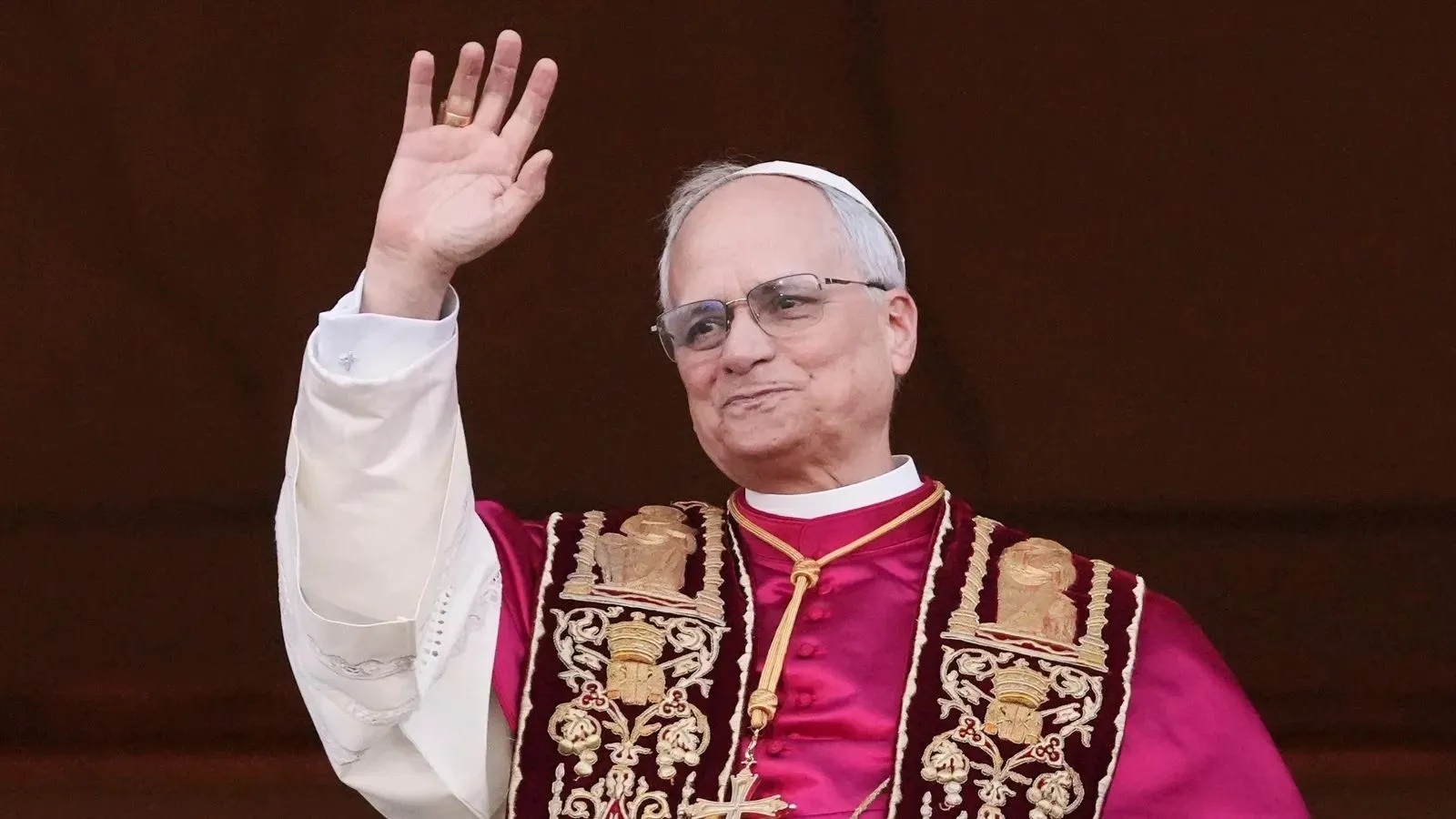
Pope Leo XIV, 71, diagnosed with lung adenocarcinoma, a type of lung cancer, has undergone “successful surgery to remove the lower lobe of his right lung“, the Vatican stated. The 71-year-old pontiff will remain in the hospital for about a week following the operation at Rome’s Gemelli Hospital.
AP News reported that a Vatican medical bulletin confirmed the diagnosis, noting that “The operation lasted approximately 90 minutes, while Leo remained in the operating room for about three hours. The Vatican said there were no complications.”
DISCLAIMER: This article is based on information from the public domain and/or the experts we spoke to. Always consult your health practitioner before starting any routine.
Taking a cue, we reached out to experts to understand more about the health condition.
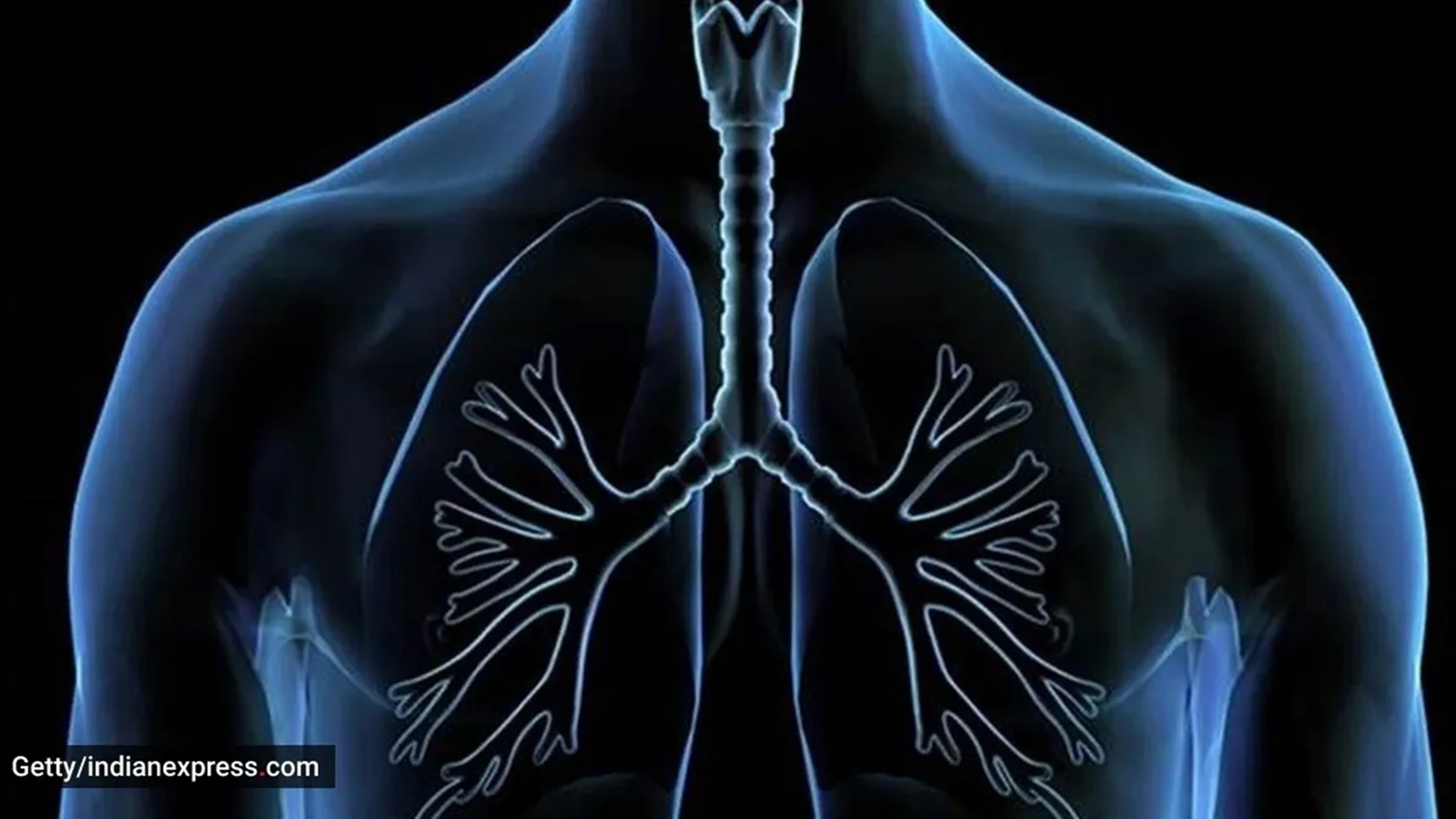 Here’s what you should consider (Photo: Getty Images/Thinkstock)
Dr Jinesh Singhavi, consultant medical oncologist, KIMS Hospitals, Thane, noted that lung adenocarcinoma is a type of non-small cell lung cancer that develops in cells lining the airways or producing mucus. “It is one of the common forms of lung cancer. The seriousness of the diagnosis depends on factors such as the tumour’s size, its location, whether it has spread to nearby lymph nodes or other organs, and the characteristics of the cancer cells,” Dr Singhavi told indianexpress.com.
The Pope underwent surgery to remove the lower lobe of his right lung. What does this procedure involve?
According to Dr Singhavi, the procedure is called a lobectomy, in which the affected lobe of the lung is surgically removed. “It is an established treatment for certain lung cancers, particularly when the disease can be removed completely through surgery. The decision depends on the tumour’s location, its extent and the patient’s overall health and lung function. However, we cannot determine the stage of the Pope’s cancer from the information currently available.”
Why are doctors examining the lymph nodes after surgery?
Lymph nodes act as filtering stations in the body’s immune system. Dr Singhavi elucidated that lung cancer can spread to these nodes, sometimes before there are obvious signs elsewhere. “Examining them under a microscope helps doctors establish whether the cancer has spread beyond the lung. This information is crucial for determining the stage and deciding whether additional treatment is necessary. Their examination is a routine part of assessing many lung cancers and does not, by itself, mean that the disease has spread,” said Dr Singhavi.
Story continues below this ad
Does successful surgery mean the cancer has been completely treated?
Not necessarily, asserted Dr Singhavi. “Removing the tumour is an important step, but the final pathology report must establish whether it has been completely removed and whether lymph nodes are involved. Depending on these findings, doctors may recommend monitoring alone or additional treatment. It would be premature to conclude the Pope’s prognosis until these results are available,” Dr Singhavi noted.
DISCLAIMER: This article is based on information from the public domain and/or the experts we spoke to. Always consult your health practitioner before starting any routine.

Leave a Reply