
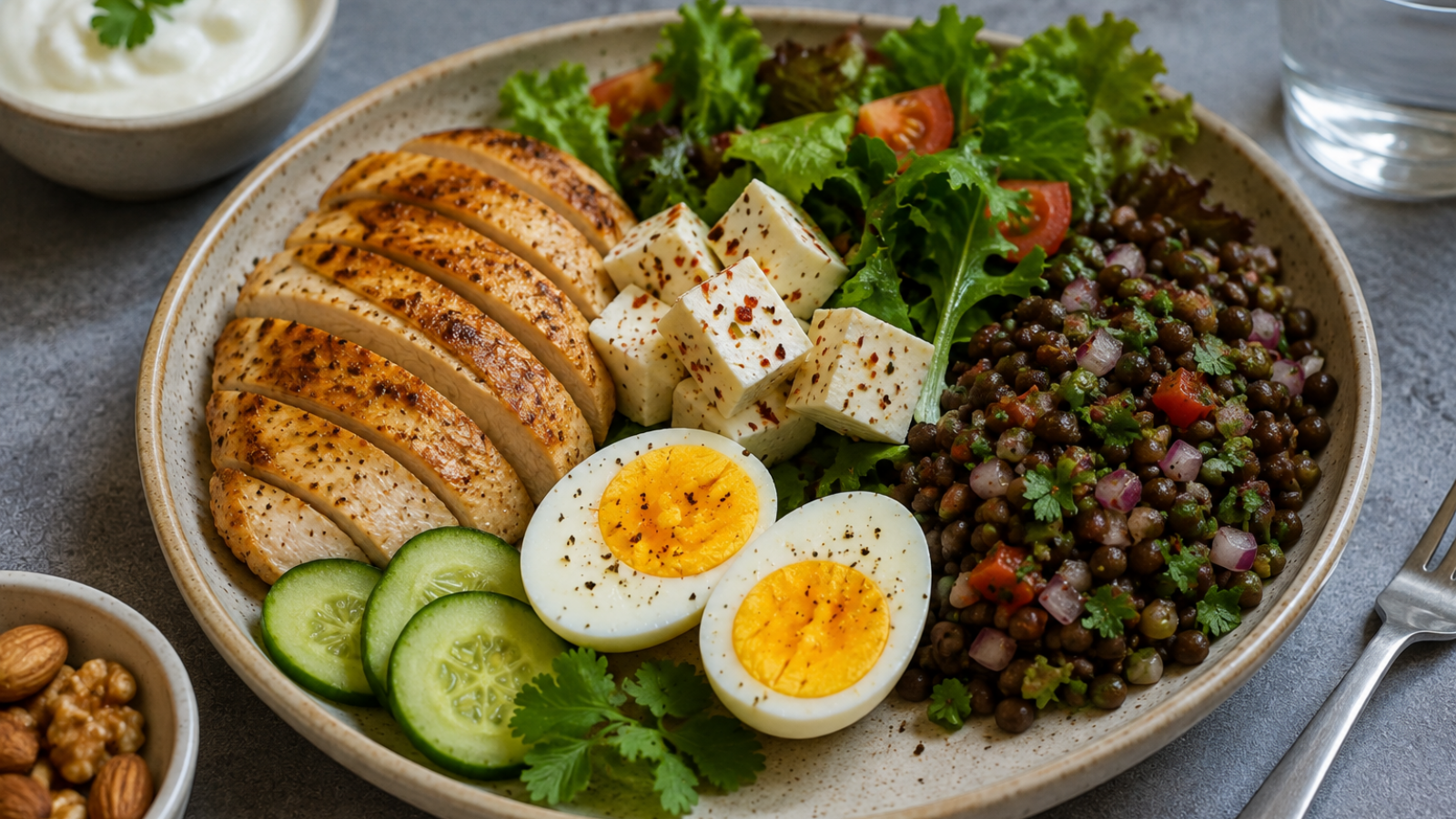
You know that annoying feeling when you’ve barely finished eating but are already wondering what you’ll snack on next? If that happens often, take a closer look at the protein on your plate. It may be why some meals keep hunger away longer than others.
Protein is often described as the nutrient that keeps you fuller for longer. But what exactly happens inside your body after you eat it — and how much protein do you actually need for that effect?
Speaking to indianexpress.com, Dr (Col) Vijay Dutta, Director, Internal Medicine & Respiratory Services, ISIC Multispeciality Hospital, explains.
DISCLAIMER: This article is based on information from the public domain and/or the experts we spoke to. Always consult your health practitioner before starting any routine.
Why does protein keep hunger away for longer?
Unlike a meal that leaves you reaching for a snack soon after, a protein-rich meal can last longer.
“Protein takes longer to digest and absorb, helping us stay full for longer. After we eat protein, it is broken down into amino acids, which trigger signals from the gut to the brain that reduce hunger and increase the feeling of fullness.”
In simple terms, protein moves through the digestive process more slowly. As it is digested into amino acids, it also helps send signals between your gut and brain that tell you that you’ve had enough.
Story continues below this ad
That’s one reason a breakfast of eggs, curd, or paneer may keep you satisfied differently than a breakfast mostly made of refined carbohydrates.
Your hunger hormones are involved too
Feeling hungry isn’t simply your stomach saying, “Feed me.” Your body has a whole system of hormones and signals that help regulate appetite.
“Protein influences the hormones that regulate our appetite. It increases hormones such as GLP-1 and PYY, which signal fullness to the brain, while helping reduce ghrelin, often called the hunger hormone. Together, these signals can make us feel satisfied for longer after eating a protein-rich meal.”
So when protein is part of your meal, several appetite signals are working in the background.
Story continues below this ad
GLP-1 and PYY help signal fullness, while ghrelin is associated with hunger. Together, these signals can influence how satisfied you feel after eating and how quickly you start thinking about your next meal.
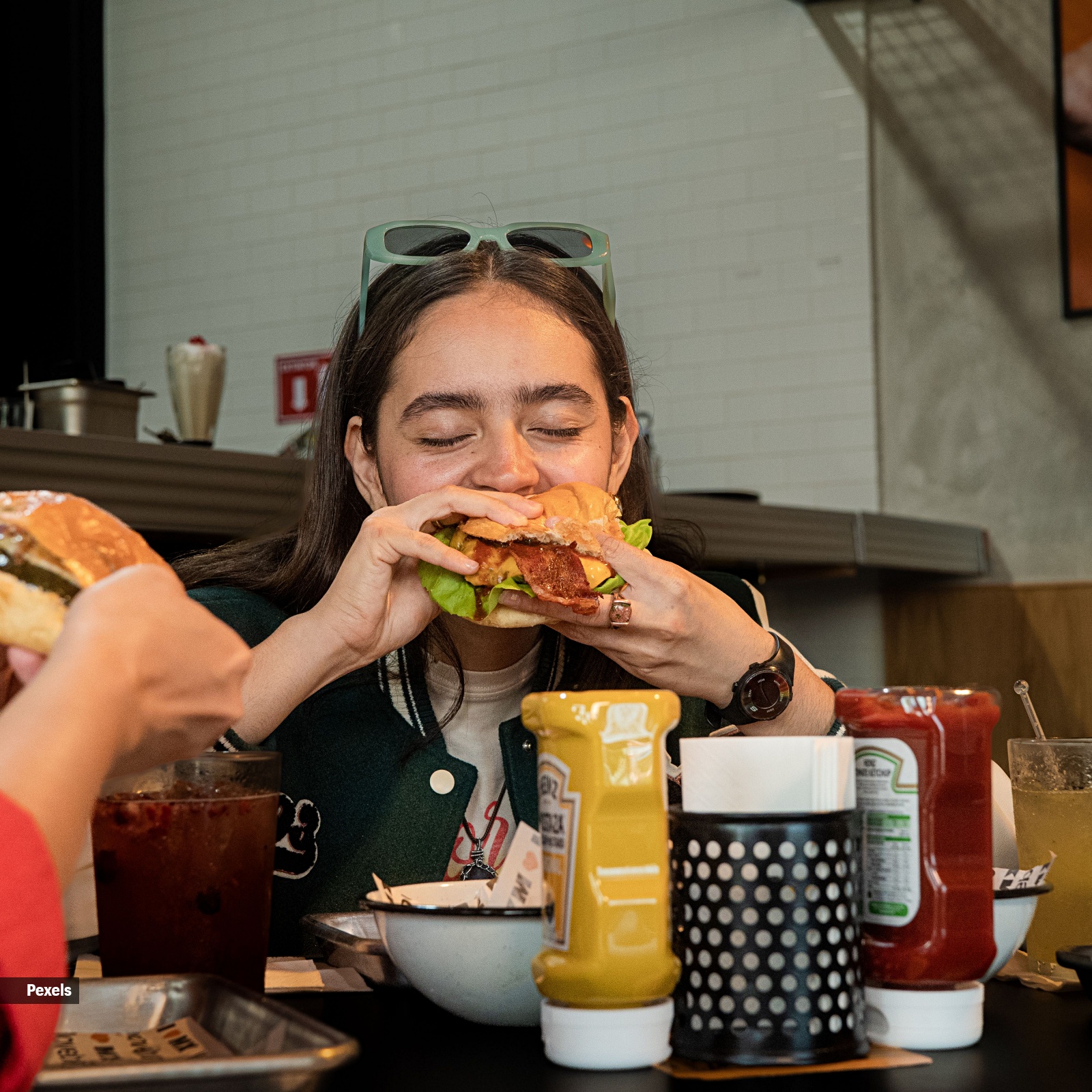 Including enough protein in regular meals can help reduce unnecessary snacking by keeping hunger under control for longer (Pexels)
But how much protein is enough?
This is where things can get a little confusing. More protein isn’t automatically better.
“The amount does matter, but there is no single number for everyone. As a general guide, around 20–30 grams of protein in a main meal can support better fullness. Individual needs vary depending on age, body weight, physical activity and overall health.”
So rather than obsessing over an exact number, think about including a meaningful protein source in your main meals.
Story continues below this ad
For example, a meal containing dal, curd and another protein source is likely to be more substantial than one built almost entirely around refined carbohydrates.
Not all protein foods feel equally filling
Protein doesn’t have to mean a protein shake or a plate of grilled chicken. Plenty of everyday foods can help you increase your intake.
“Whole, minimally processed protein foods such as eggs, fish, chicken, paneer, curd, dals and beans are generally more filling. Foods that combine protein with fibre, such as pulses and legumes, may keep you satisfied even longer by slowing digestion and supporting steadier energy levels,” Dr Dutta assures.
That last part is particularly useful if you’re trying to build meals that actually keep you going.
Story continues below this ad
Protein + fibre can be a particularly satisfying combination. Think dal with vegetables, beans in a salad, chole with vegetables or curd alongside a balanced meal.
Could protein help you stop snacking all day?
Potentially, yes. If your meals aren’t keeping you satisfied, it’s easy to fall into the cycle of meal → snack → snack → “I’m just having something small” → next meal.
“Including enough protein in regular meals can help reduce unnecessary snacking by keeping hunger under control for longer. It may also prevent overeating at the next meal.”
But that doesn’t mean protein should take over your entire plate.
Story continues below this ad
“However, protein should be part of a balanced diet that also includes fibre-rich foods, healthy fats and appropriate portions.”
So if you’re constantly hungry between meals, the answer isn’t necessarily to eliminate carbohydrates or eat an enormous serving of protein.
Instead, look at the whole meal. A combination of protein, fibre-rich foods, healthy fats and appropriate portions may give you a meal that satisfies you physically — and makes the biscuit jar considerably less interesting a couple of hours later.
DISCLAIMER: This article is based on information from the public domain and/or the experts we spoke to. Always consult your health practitioner before starting any routine.

Leave a Reply