
4 min readNew DelhiOct 1, 2026 09:00 PM IST
A new study involving more than 3.7 lakh US adults has highlighted an interesting link between fruit-eating habits and cardiovascular health. Researchers found that people with conditions such as high blood pressure, high cholesterol, coronary heart disease or a history of heart attack reported eating whole fruit less frequently than those without these conditions. The findings, published in Current Developments in Nutrition, also looked at 100% fruit juice, but the association was less consistent.
However, the study does not prove that eating less fruit leads to heart disease. The researchers observed an association, and people may have changed their eating habits after being diagnosed with a cardiovascular condition.
DISCLAIMER: This article is based on information from the public domain and/or the experts we spoke to. Always consult your health practitioner before starting any routine.
So, should people with diabetes, high cholesterol or heart disease actually be cutting fruit from their diets?
According to Dt Amreen Sheikh, Chief Dietician, KIMS Hospitals, Thane, one possible explanation is that people may become overly cautious about foods containing natural sugars after being diagnosed with a health condition.
“Individuals who have cardiovascular risk factors might alter their eating habits following a diagnosis and in some cases become excessively cautious regarding foods that contain natural sugars,” Sheikh says.
She adds that general advice to “reduce sugar” can sometimes be misunderstood as avoiding fruit altogether. The study did find that adults with high blood pressure, high cholesterol, coronary heart disease or a history of heart attack consumed whole fruit less frequently. However, Sheikh points out that the study was cross-sectional, meaning it cannot establish whether lower fruit consumption contributed to these conditions or whether people reduced their fruit intake after diagnosis.
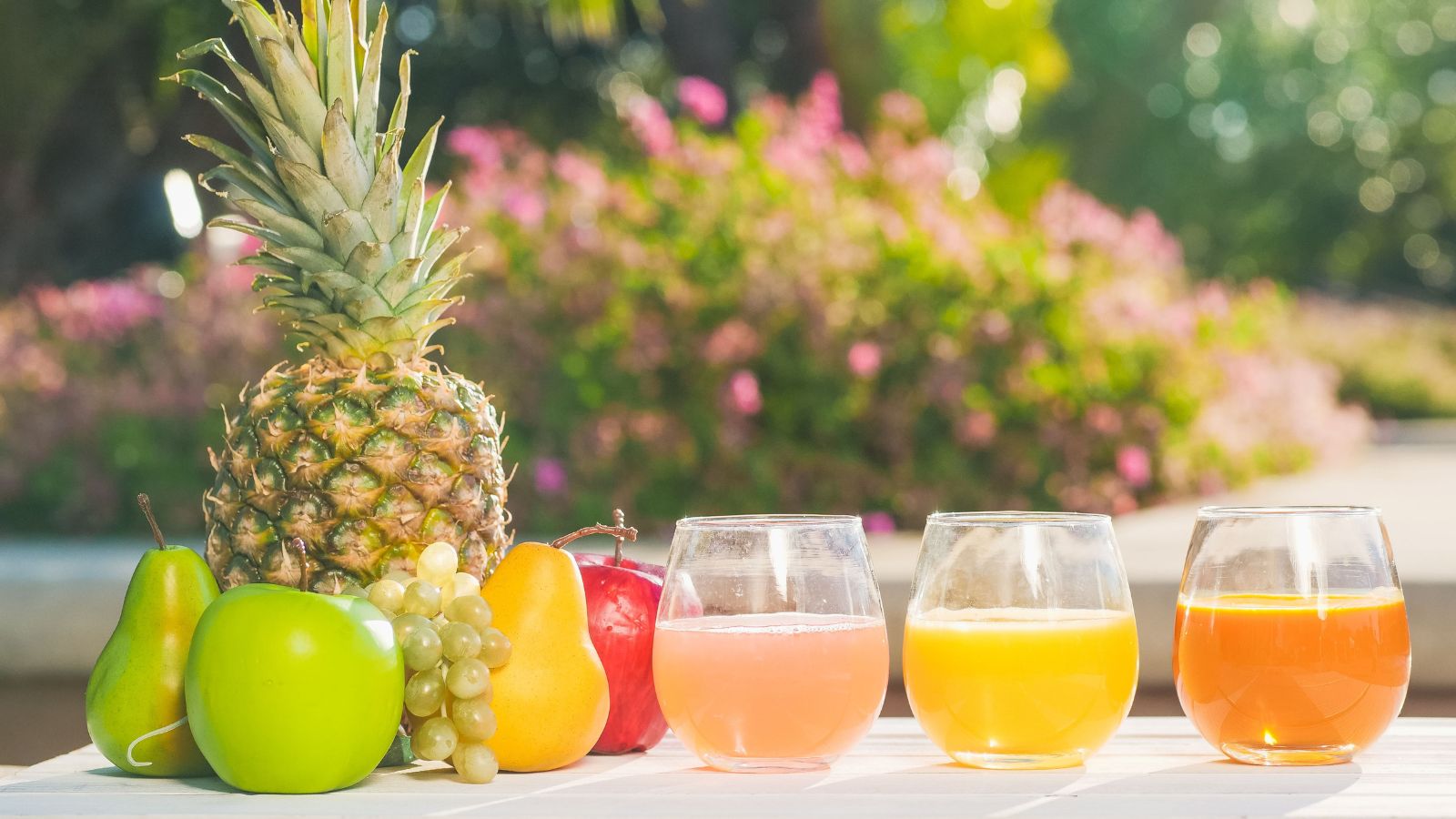 Whole fruit vs fruit juice (Photo: Magnific)
Whole fruit vs fruit juice: What is the difference?
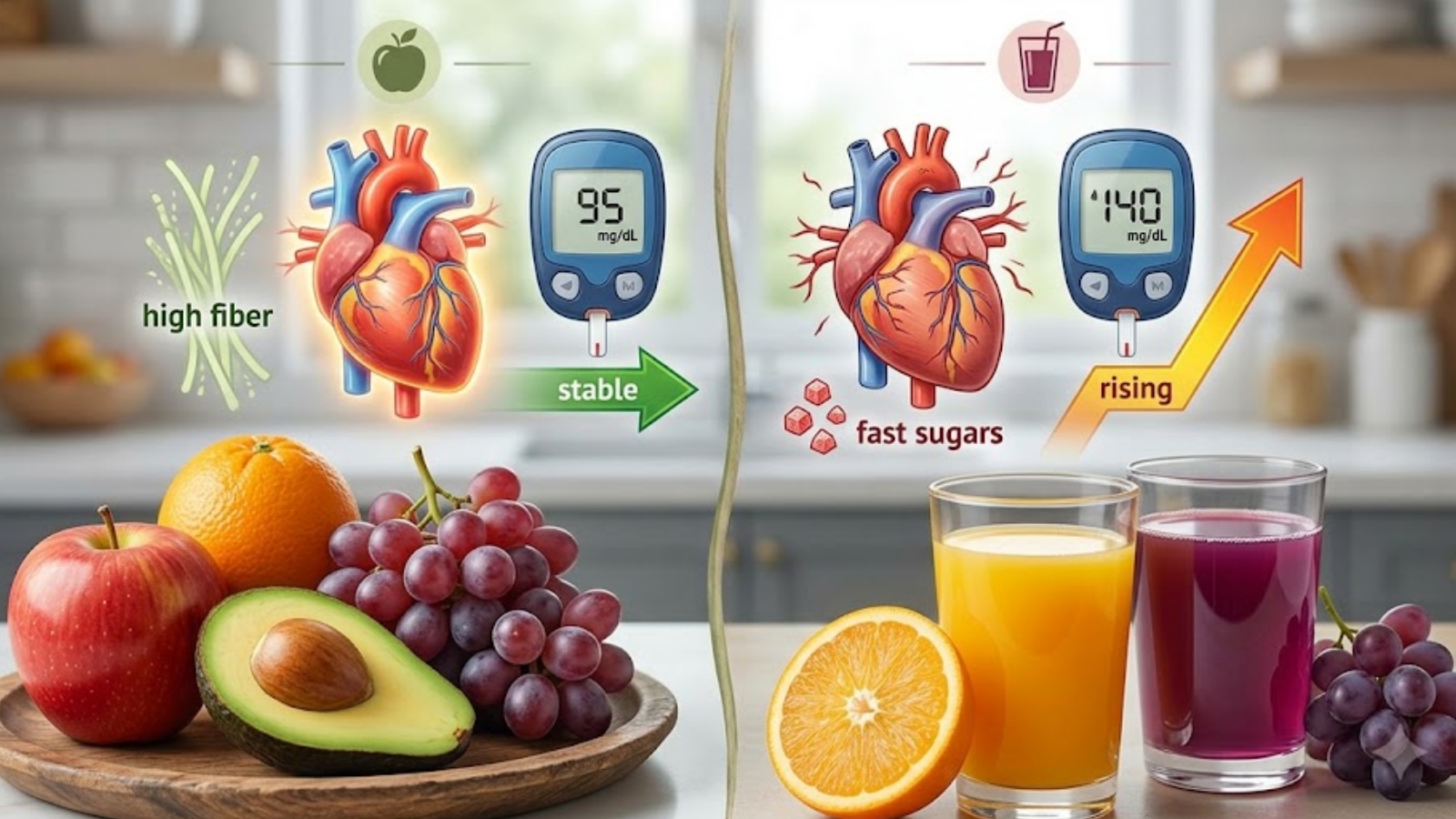
“The main difference lies in the fibre,” Sheikh explains. “If we eat a whole fruit, then the fibre, the water and the plant compounds stay intact.”
Story continues below this ad
The fibre in whole fruit slows digestion and delays the release of naturally occurring sugars. It can also help with fullness and contribute to overall diet quality.
With fruit juice, even when it is 100% fruit juice, much of the fibre is lost. This makes it easier to consume more fruit sugar in a relatively short period. “This does not mean that 100% juice is equivalent to a sugary soft drink, [but] whole fruit is usually the better choice for everyday consumption,” Sheikh says.
Should people with diabetes or heart disease avoid fruit?
“In most cases there is no need to get rid of whole fruit since it can form part of a diet that is good for the heart provided that the amounts are reasonable,” Sheikh says.
She recommends having one serving at a time, such as one small apple, orange, or guava; a small bowl of papaya; or about half to one cup of berries.
Story continues below this ad
For people with diabetes, pairing fruit with a source of protein or healthy fat can also make the snack more satisfying. Sheikh suggests combinations such as fruit with nuts, seeds or yoghurt.
“Portions should be based on the total carbohydrate intake and on the individual’s glucose response,” she adds. “Fruit consumption is only one element of the diet; physical activity, body weight, smoking, income, education, access to fresh fruit and the general pattern of eating can all have an effect on both cardiovascular risk and fruit intake,” Sheikh says.
DISCLAIMER: This article is based on information from the public domain and/or the experts we spoke to. Always consult your health practitioner before starting any routine.

Leave a Reply