
4 min readNew DelhiSep 30, 2026 09:25 AM IST
Turmeric, or haldi, is best known for curcumin, a compound with antioxidant and anti-inflammatory properties. But there’s a key distinction between the turmeric you add to your food and concentrated curcumin supplements. While both come from the same plant, Curcuma longa, experts say they are not interchangeable: they differ in composition, concentration and how they may affect the body.
How different is the turmeric we use in everyday Indian cooking from the turmeric or curcumin found in supplements?
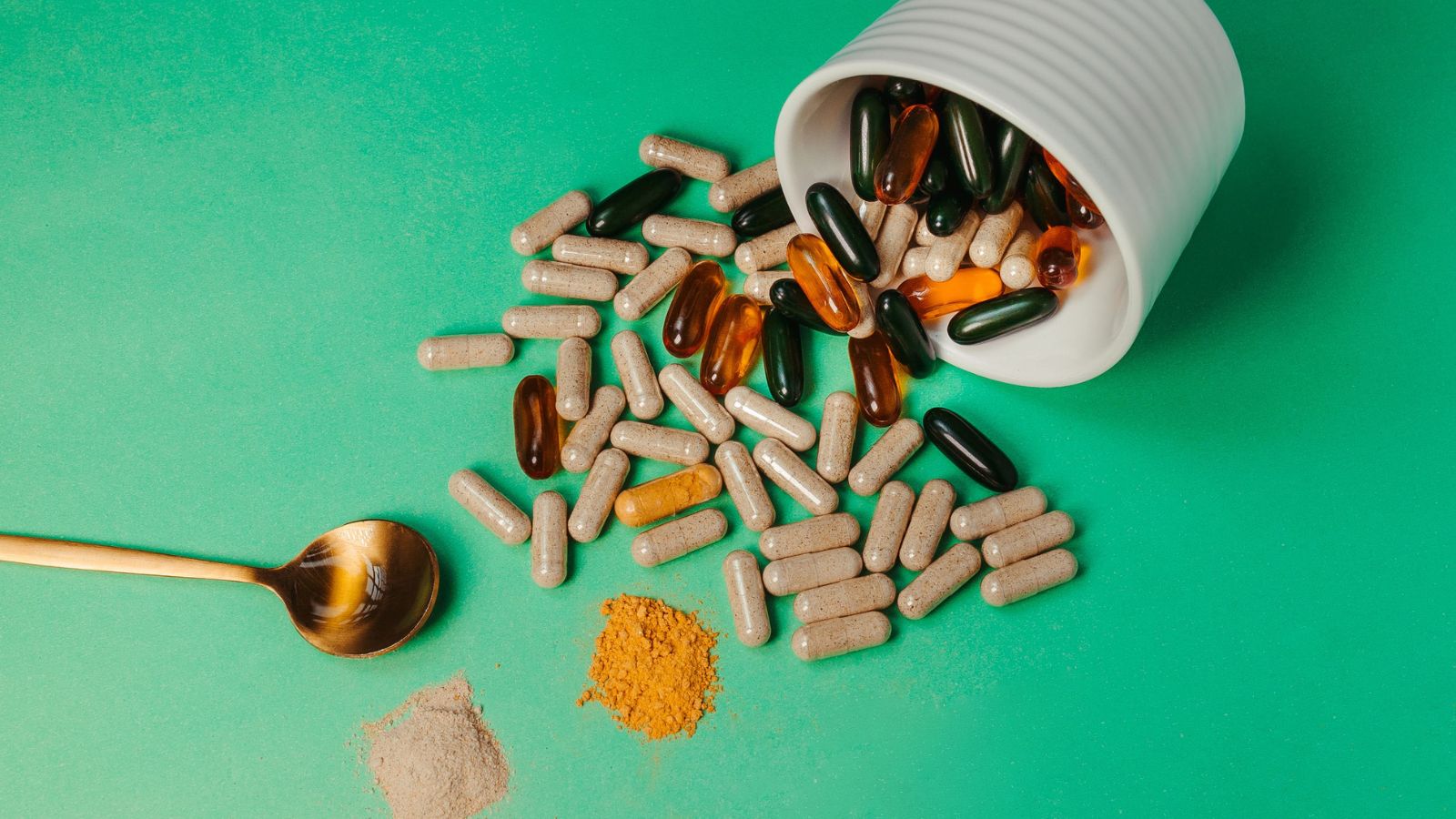
Satavisha Basu, senior dietician at Narayana Hospital, Howrah, says that haldi, used as a spice, is a whole-food ingredient that contains small amounts of curcuminoids, along with essential oils, fibre and other naturally occurring compounds. “The exact curcumin content can vary depending on the variety, growing conditions, processing and storage. In contrast, most supplements contain a concentrated extract, often standardised for curcuminoids. Some products also include piperine from black pepper or specialised formulations designed to increase absorption, since naturally occurring curcumin has poor oral bioavailability.”
The amount of curcuminoids consumed through normal cooking is generally much lower than the doses used in supplement studies.
DISCLAIMER: This article is based on information from the public domain and/or the experts we spoke to. Always consult your health practitioner before starting any routine.
“Culinary turmeric can contribute flavour and variety to a balanced diet, but it should not be viewed as a treatment for inflammation, arthritis, diabetes or any other disease,” she adds.
Can haldi and curcumin supplements be taken interchangeably?
Studies also show that certain formulations can significantly increase curcumin levels in the blood compared with standard curcumin.
However, Meenakshi Aggarwal, Clinical Dietician, MAIINS, Marengo Asia Hospitals Gurugram, says, “supplements are not automatically better absorbed than turmeric consumed as food. Food composition can also influence absorption, particularly when turmeric is consumed with a meal containing fat. So, it is important to remember that everyday haldi can contribute curcuminoids as part of the diet, while supplements provide a much more concentrated and sometimes specially designed form of curcumin.”
Story continues below this ad
Therefore, haldi in food and curcumin supplements should not be considered interchangeable, and supplements should not be taken simply because they contain a higher dose.
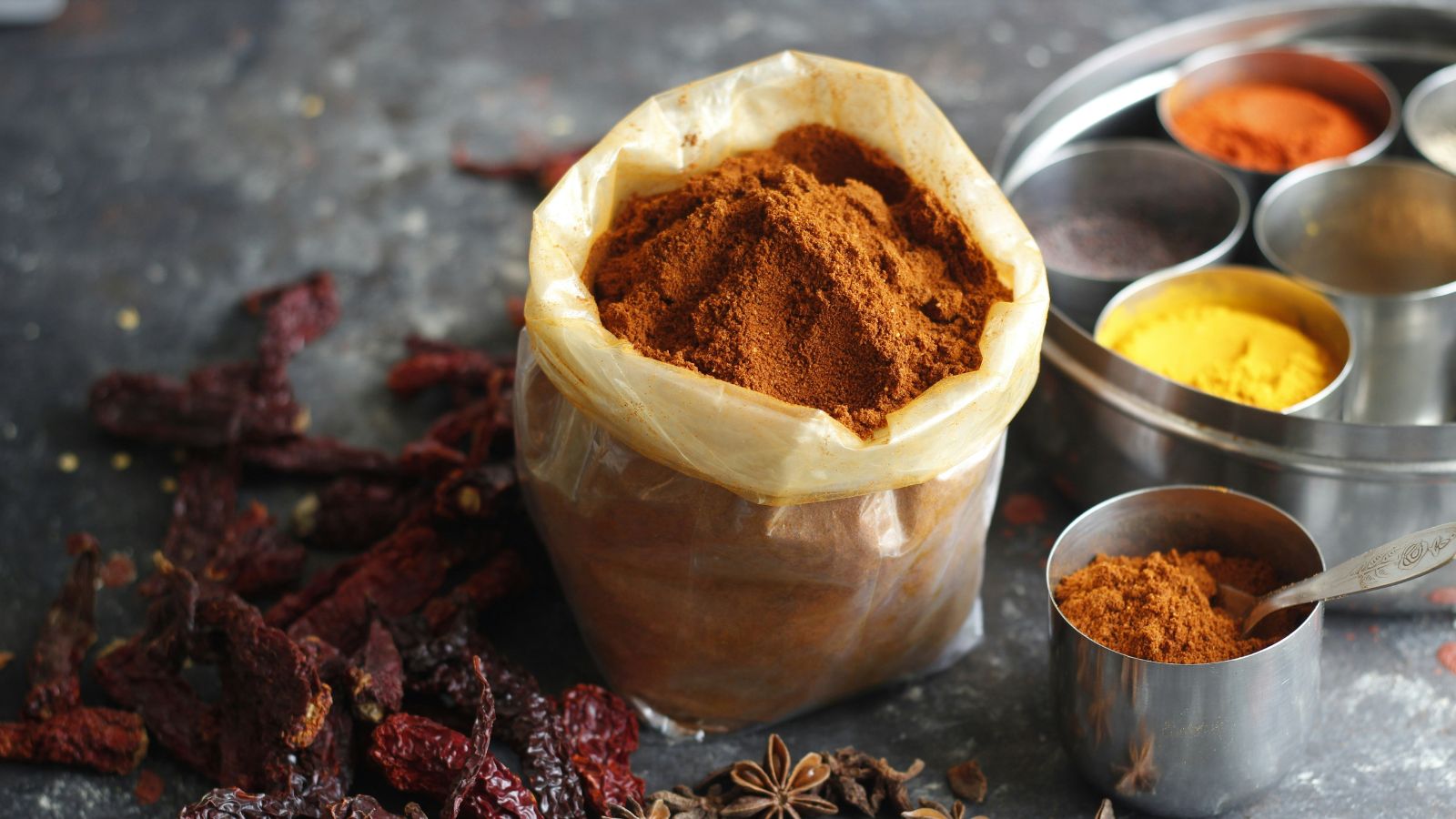 Turmeric powder and fresh turmeric roots used in Indian cooking (Image Source: Unsplash)
Who should avoid turmeric supplements
Turmeric is a common food spice, but concentrated turmeric or curcumin supplements aren’t. Side effects may be more likely with higher doses and longer use, especially in people with certain medical conditions and who take regular medicines.
Dr Seema Dhir, unit head & Sr Consultant – internal medicine, Artemis Hospital, Gurugram mentions, “People on blood thinning or antiplatelet medicines should not start taking turmeric supplements without consulting their doctor, as curcumin can raise the risk of bleeding. Special caution is also required with medications having a narrow therapeutic index so that small variations in drug levels can cause trouble.”
She also advises being extra careful if anyone has a liver problem. “Liver injury has been reported with some highly absorbable curcumin formulations. Unusual tiredness, nausea, poor appetite, dark urine and yellowing of skin or eyes are warning signs.”
Story continues below this ad
People with gallstones and bile duct problems should consult a doctor before using supplements as turmeric supplements can also upset your stomach and cause acid reflux, diarrhea and constipation, especially in higher doses, she adds.
Talking about pregnant women, Dr Dhir mentions that they should not take medicinal doses without the advice of a healthcare professional. Same goes for those you are preparing for surgery, as it can affect bleeding or interact with medicines used around the time of an operation.
DISCLAIMER: This article is based on information from the public domain and/or the experts we spoke to. Always consult your health practitioner before starting any routine.

Leave a Reply