
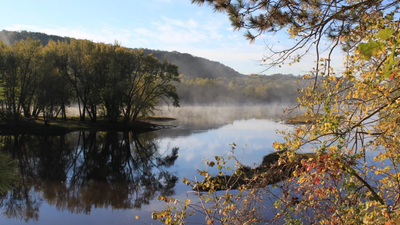
A conservation effort that began when a Minnesota science museum opened its river research station in 1989 has taken nearly four decades to reach its final stage. According to the Science Museum of Minnesota, it has permanently protected the last 130 acres around its St. Croix Watershed Research Station. The newly protected properties include forests, oak savanna, freshwater springs and land along the St. Croix River. Together with earlier conservation work, the latest agreements bring more than 300 acres connected to the research station under permanent protection, completing a goal that has been in the works since the station was established.
It started with the research station in 1989
The St. Croix Watershed Research Station was established in 1989 near Marine on St. Croix. Its work focuses on the St. Croix River and the wider watershed, including the environmental changes affecting the area. From the beginning, the museum wanted the natural land surrounding the research station to remain available for scientific work and conservation. But protecting the entire area was never a one-time undertaking.The museum gradually worked towards that goal as land and conservation opportunities became available. One of the larger steps came in 2022, when 126 acres around the main research station property were protected through a conservation easement. That left other pieces of land still outside permanent protection. The latest announcement marks the completion of that longer effort.
The final 130 acres are in two properties
The 130 acres covered by the latest conservation agreements are divided between Tanglewood Nature Preserve and Pine Needles. Tanglewood accounts for 103 acres and includes woodland and oak savanna. These habitats form part of the natural landscape around the research station and provide space for ecological work. The remaining 27 acres are at Pine Needles, a forested property located directly along the St. Croix River.Pine Needles contains what the museum describes as old-growth forest, with white pines, maples and basswoods. The property also has freshwater springs and borders land managed by the National Park Service. It overlooks parts of William O’Brien State Park. The conservation easement at Tanglewood was completed on June 30, 2026, in partnership with the Minnesota Land Trust. The Pine Needles protection involved the museum, Minnesota Land Trust and Washington County. Washington County contributed $900,000 through its Land and Water Legacy Program towards the permanent protection of Pine Needles, according to the museum.
Why keeping the land protected matters
The conservation agreements mean the land will remain protected even as development continues in surrounding areas. That matters for the research station because scientists need access to natural landscapes when studying changes in forests, water and ecosystems. Protecting the land around the station also keeps those surroundings from being transformed by future development.Dr. Adam Heathcote, senior director of the museum’s Department of Water and Climate Change, told the Star Tribune that the new conservation agreements could help the museum pursue funding for larger ecological projects. One potential use mentioned was invasive species management at Tanglewood. The museum also sees the protection as a way to support the research station financially. Proceeds from the Tanglewood and Pine Needles conservation easements are set to support the station’s endowment and capital improvements. That gives the project two connected outcomes: the land is permanently protected, while funding can help maintain the research work that takes place there.
Pine Needles has another role
The properties are not used only for scientific research. Pine Needles has been home to the museum’s Artist at Pine Needles Residency programme for 24 years. According to the museum, more than 80 artists have participated in the programme. The property allows artists to work in a natural setting along the St. Croix while also connecting their work with the surrounding community. Its location adds to the importance of keeping the property intact. The St. Croix River was among the original eight rivers protected under the Wild and Scenic Rivers Act in 1968.The newly protected land therefore becomes part of a wider network of conserved land along the river, while continuing to serve the museum’s research and cultural programmes.
A 37-year conservation effort is complete
The latest 130-acre protection is significant because it closes a project that has followed the research station for almost its entire existence. When the Science Museum of Minnesota established the St. Croix Watershed Research Station in 1989, protecting the surrounding landscape was part of its longer-term vision. Over the years, the museum continued adding conservation protections, including the 126 acres secured in 2022.Now, with another 130 acres covered by conservation easements, more than 300 acres connected to the research station are permanently protected. It took 37 years to reach that point, but the result is a larger stretch of forest, riverfront and other natural habitat that can remain in place while the museum continues its research, conservation and arts programmes along the St. Croix River.

Leave a Reply