
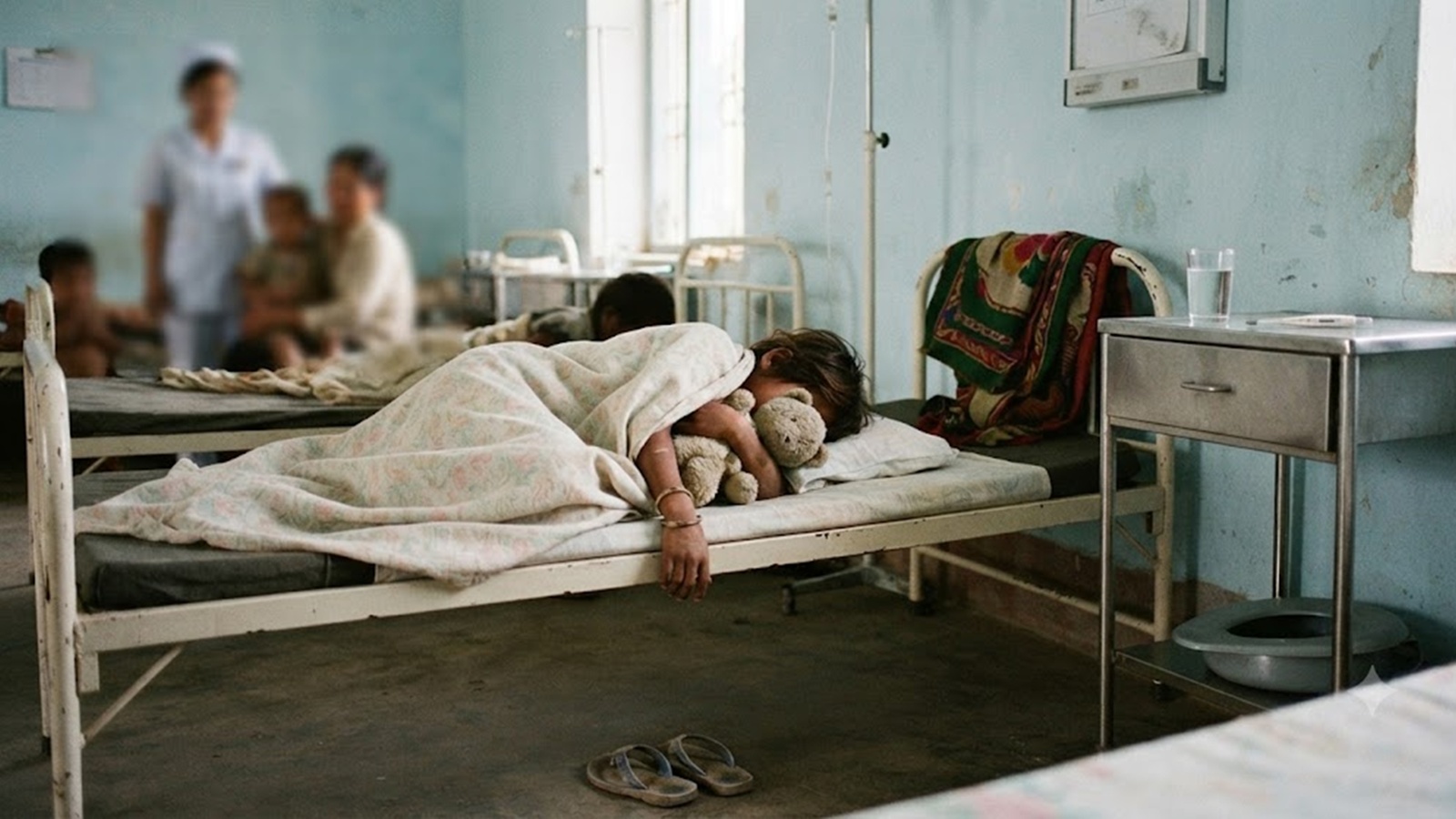
A recent case in Surat, Gujarat, highlighted by state Health Minister Praful Pansheriya, has come to light in which children were allegedly given diabetes medication instead of paracetamol, a commonly used medicine for fever. “In a village within Palsana Taluka, paracetamol is routinely administered at vaccination centres to prevent fever following the immunisation of children; however, a nurse committed a serious act of negligence by dispensing diabetes medication instead of paracetamol. The children immediately began to suffer adverse effects. Our team arrived promptly and admitted all the children to a hospital specialising in paediatric care. Four children have since been discharged, while one remains under treatment and is stable. After learning of the incident, we immediately suspended the nurse and issued show-cause notices to two doctors…We have also held a meeting with all staff members to ensure that such serious negligence does not recur,” Pansheriya told ANI in Hindi.
DISCLAIMER: This article is based on information from the public domain and/or the experts we spoke to. Always consult your health practitioner before starting any routine.
According to reports, five children were mistakenly given Glimepiride, a diabetes medicine, following vaccination during a Mamta Diwas programme. The mix-up led to severe reactions and ICU admission. The children are reportedly stable. The nurse and two doctors have reportedly been suspended pending enquiry.
We reached out to experts for further insight into medicine mix-ups and how they can turn lethal.
 How lethal can medicine mix-ups be? (Photo: AI Generated)
Dr Amit Saraf, director, internal medicine, Jupiter Hospital, Thane, explained that paracetamol is commonly used to manage fever and pain, whereas glimepiride lowers blood glucose. “In a child without diabetes, this unexpected fall in blood sugar can become clinically significant, particularly if the amount administered is substantial relative to the child’s body weight,” Dr Saraf told indianexpress.com.
Giving a “sulfonylurea oral medication” such as glimepiride to a child who does not have diabetes can be a medical emergency, emphasised Dr Rajiv Kovil, diabetes and obesity specialist, Zandra Healthcare. “Unlike paracetamol, which is used to reduce fever and pain, glimepiride stimulates the pancreas to release insulin. In a non-diabetic child, this can cause a rapid and potentially profound fall in blood glucose — severe hypoglycaemia,” Dr Kovil told indianexpress.com.
Children may initially develop sweating, trembling, intense hunger, irritability, unusual sleepiness, dizziness or vomiting. “As glucose falls further, confusion, abnormal behaviour, seizures, loss of consciousness and, in extreme cases, brain injury or death can occur. Importantly, sulfonylurea-induced hypoglycaemia may be prolonged or recur even after glucose is initially corrected, so these children require hospital observation with repeated glucose monitoring and appropriate treatment,” said Dr Kovil.
Story continues below this ad
Dr Saraf stressed that the absence of symptoms immediately after the medication is given does not necessarily mean the child is out of danger. Observation and repeated glucose monitoring may be required because the effect can persist or recur.
#WATCH | Surat | Gujarat Health Minister Praful Pansheriya says, “In a village within Palsana Taluka, Paracetamol is routinely administered at vaccination centres to prevent fever following the immunisation of children; however, a nurse committed a serious act of negligence by… pic.twitter.com/f9YQmrQnR8
— ANI (@ANI) September 27, 2026
The appropriate response to any suspected medication mix-up is immediate medical evaluation, not waiting for symptoms to appear.
“The exact management depends on the drug, dose, timing, age, and clinical condition of the child. Beyond treating the immediate problem, every such incident should trigger a review of how the error occurred. Proper storage, prominent labelling, prescription verification and a final check before administration are basic but critical safeguards,” said Dr Saraf.
Dr Kovil remarked that this incident also highlights why medication dispensing requires multiple safety checks — particularly in paediatric vaccination programmes. “Any child who accidentally receives a glucose-lowering medicine should be treated as an emergency and evaluated immediately, rather than waiting for symptoms to develop,” Dr Kovil said.
‘Diabetes’ has been trending on Google for the past 24 hours.
Story continues below this ad
DISCLAIMER: This article is based on information from the public domain and/or the experts we spoke to. Always consult your health practitioner before starting any routine.

Leave a Reply