
5 min readNew DelhiSep 22, 2026 11:00 AM IST
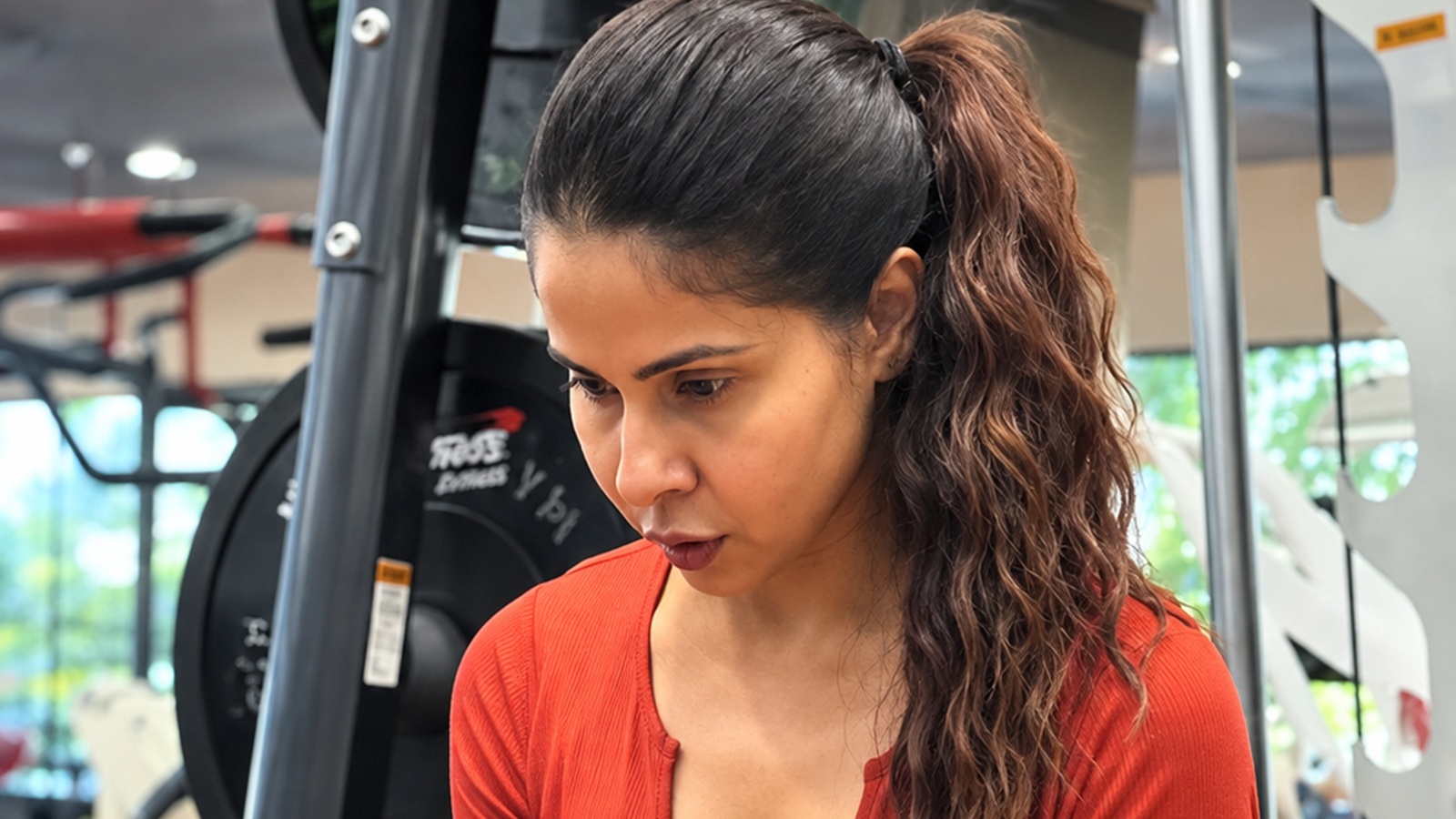
Actor Chhavi Mittal, 46, opened up about her abdominal surgery and how she has been walking and doing resistance training to aid recovery. “I had a Laproscopic Myomectomy on 25th Aug, with 4 incisions on the abdomen and 25-30 internal stitches. I’m healing well, but have a lot of restrictions. Being mindful, without being lazy, is the key here. The challenge for me is to go slow… and anybody who has ever lifted weights will relate… coz the high of lifting is superior to any other high in the world. Slowly getting stronger. Slowly… becoming invincible,” she captioned the post.
She mentioned in the Instagram reel that she is back to the gym after three weeks post her “abdominal surgery” and doing strength training. “I’m only lifting a quarter of my weightlifting capacity and completely avoiding compound exercises like conventional deadlifts and squats because core involvement has to be minimal at this point. One interesting thing is that when I don’t work out, I lose weight, which means that my body is used to a lot of movement, and when I don’t do those movements, I have substantial muscle loss.”
DISCLAIMER: This article is based on information from the public domain and/or the experts we spoke to. Always consult your health practitioner before starting any routine.
She also mentioned how walks helped her prepare for gym time. “I started taking walks exactly on the fourth day of my surgery and slowly built up from there till today when I am past the three-week mark. Rehab is always difficult and sometimes painful, but it’s important to be in sync with your own body, your surgeon and your own individual benchmarks.”
 How to get back to strength training post surgery? (Photo: Pexels)
Dr Gandhali Deourukhkar, consultant gynaecology and obstetrician, Wockhardt Hospitals Mumbai Central, said one of the tricky parts of minimally invasive surgery is that the external wounds are small, so they may appear to heal quickly while deeper tissues are still recovering. “In a myomectomy, the uterus itself is incised and then repaired, which means internal healing continues even after the abdominal cuts have settled. Feeling energetic is encouraging, but it should not be taken as a sign that the body is ready for strenuous exercise. Recovery has to take into account both how the person feels and what has been done surgically,” asserted Dr Deourukhkar.
According to Dr Deourukhkar, weight training, particularly heavy lifting, increases abdominal pressure and engages the abdominal muscles considerably. “During the early recovery period, this can place unnecessary strain on tissues that are still healing. The important point is that pain is not always a reliable indicator of whether an activity is appropriate. Someone may feel perfectly fine while deeper tissues are still repairing. This is why returning to weights should be gradual and only after the treating gynaecologist confirms that the healing is adequate,” said Dr Deourukhkar.
Patients who regularly do strength training or lift weights may find it particularly difficult to take a break because they are used to being physically active, mentioned Dr Kusum Lata, senior consultant obstetrician, gynecologist and advanced laparoscopic surgeon, Motherhood hospitals, Gurgaon. “However, heavy lifting, squats, deadlifts and other exercises that place significant pressure on the abdominal muscles should generally be avoided until the treating surgeon gives clearance. Returning to exercise is not about how quickly a person can get back to their previous weight or intensity, but about allowing the body enough time to heal properly,” stressed Dr Kusum.
Story continues below this ad
For someone accustomed to regular workouts, does recovery mean complete bed rest?
Not at all, Dr Deourukhkar said. “In most uncomplicated recoveries, gentle movement and walking are encouraged rather than prolonged bed rest. Staying mobile can help maintain circulation, reduce stiffness and gradually rebuild stamina. The distinction is between being active and overexerting yourself. Everyday movement and gentle walking can be increased progressively, while activities involving heavy lifting, intense abdominal exercises or high-impact movements should wait until the appropriate stage of recovery,” said Dr Deourukhkar.
What to note?
Dr Deourukhkar said the biggest mistake is letting fitness levels dictate the recovery timeline. “The body may feel ready before the tissues are fully healed. It is better to treat exercise as something that needs to be rebuilt rather than something to resume at the previous level immediately. Start slowly, increase activity in stages, and watch for symptoms such as increasing abdominal pain, heavy bleeding, fever, worsening swelling, unusual discharge, or significant weakness. Discuss any such symptoms with the treating doctor. A short pause from intense training is far less important than allowing the body to heal properly and returning to exercise safely,” said Dr Deourukhkar.
DISCLAIMER: This article is based on information from the public domain and/or the experts we spoke to. Always consult your health practitioner before starting any routine.

Leave a Reply