
5 min readNew DelhiSep 14, 2026 01:59 PM IST
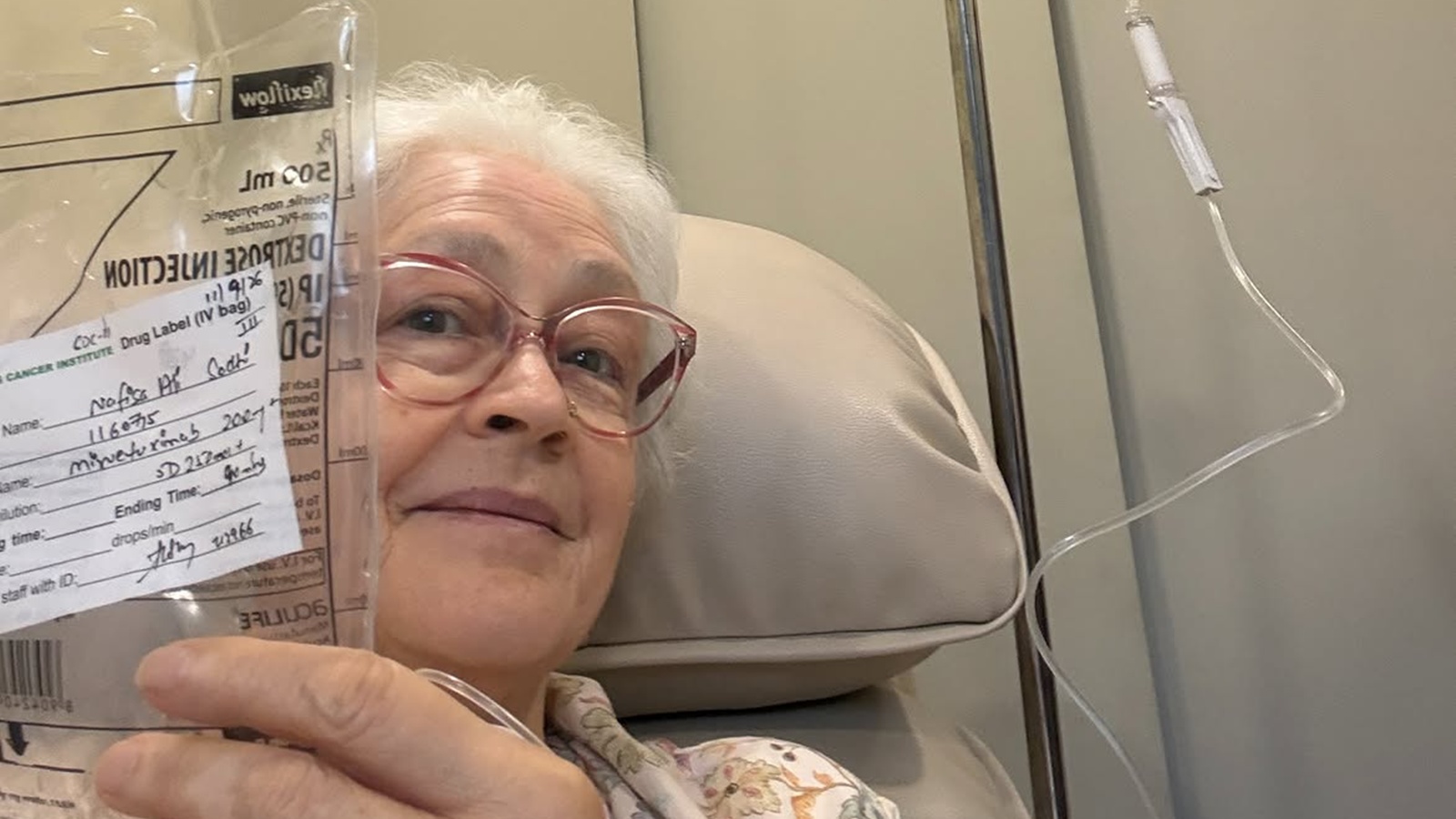
Actor Nafisa Ali Sodhi recently shared that her cancer treatment protocol has changed and that she has now been put on targeted therapy.
In a post on Instagram, she explained, “My treatment protocol has changed, and now I have been put on Targeted Therapy… fighting the good fight. Thank you for always keeping my support energy strong.
In very simple terms, the PET/CT suggests that the ovarian/peritoneal cancer has progressed, with new deposits on the surface of the liver.”
But what does a change from chemotherapy to targeted therapy mean, and what does it mean when cancer is described as having progressed? IndianExpress.com spoke to Dr Puneet Gupta, Chairman, Oncology Services, Asian Hospital, to understand the terminology and treatment approach.
DISCLAIMER: This article is based on information from the public domain and/or the experts we spoke to. Always consult your health practitioner before starting any routine.
Chemotherapy vs targeted therapy
Chemotherapy and targeted therapy work differently. While chemotherapy broadly attacks rapidly dividing cells, targeted therapy targets specific molecular changes or pathways that help cancer cells grow and survive.
“Chemotherapy uses drugs that attack cancer cells broadly—usually cells that are dividing rapidly. Targeted therapy is intended to target specific molecular changes or pathways that help cancer cells grow and survive,” Dr Gupta explains.
This means targeted therapy is not automatically the next step for every person whose cancer has progressed. Doctors first assess several factors, including the type and stage of cancer, how the disease has responded to previous treatment, side effects and the patient’s overall health.
Story continues below this ad
“Not all patients are eligible for targeted therapy. Biomarker or molecular testing may be required to determine whether the tumour has a specific target that can be treated,” says Dr Gupta.
Therefore, a shift in treatment does not simply mean that chemotherapy has “stopped working” in every case. “The decision depends on the individual cancer and whether there is a suitable molecular target for another treatment,” he adds.
 Nafisa Ali Sodhi on her cancer relapse (Photo: Instagram/nafisaalisodhi)
What does ‘cancer has progressed’ mean?
The word “progressed” can sound alarming, but in medical terms it has a specific meaning. In this context, it generally means that the cancer has grown or that new areas of disease have appeared despite treatment.
“In this context, ‘progressed’ generally means that the cancer has grown or new areas of disease have been observed, even while on treatment,” says Dr Gupta.
Story continues below this ad
Ovarian cancer can spread within the peritoneal cavity, which is the lining of the abdomen. Cancer cells can also seed the outer surfaces of abdominal organs.
“Thus, new deposits on the surface of the liver may indicate that the disease has spread further within the abdominal cavity,” Dr Gupta explains.
However, doctors should not interpret a PET/CT finding in isolation. Doctors compare the scan with earlier imaging and consider the patient’s symptoms and physical examination before deciding what the findings mean for treatment, he adds.
Are liver-surface deposits the same as liver cancer?
“Cancer implants on the capsule or outer covering of the liver are referred to as liver-surface deposits, whereas a tumour growing inside the liver is involvement of the liver tissue itself,” Dr Gupta says.
Story continues below this ad
This distinction matters particularly in ovarian cancer because the disease can spread across peritoneal surfaces rather than behaving like a primary liver cancer.
“Liver-surface involvement may still indicate advanced or extensive ovarian cancer, but the exact stage depends on the site and depth of involvement and whether disease exists outside the abdomen,” Dr Gupta explains.
A PET/CT therefore provides an important part of the picture, but it does not determine the entire stage on its own. “The oncologist combines the imaging with the entire clinical and pathological picture,” he adds.
For patients and families, understanding this distinction can help put terms such as “progression”, “deposits” and “targeted therapy” into context. The treatment plan ultimately depends on the individual’s cancer characteristics, previous response to treatment and, where relevant, biomarker or molecular testing.
Story continues below this ad
DISCLAIMER: This article is based on information from the public domain and/or the experts we spoke to. Always consult your health practitioner before starting any routine.

Leave a Reply