
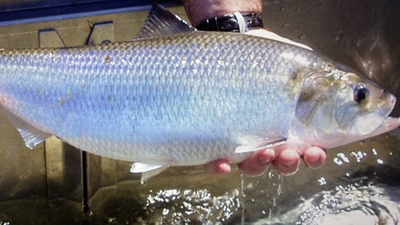
For decades, a concrete barrier on Virginia’s Appomattox River stood between migratory fish and more than 120 miles of upstream habitat. In 2014, its removal changed that. The Harvell Dam in Petersburg was taken out as part of a collaborative restoration effort, reconnecting roughly 127 miles of river for migratory and resident fish, according to the U.S. Fish and Wildlife Service (USFWS) and American Rivers. The impact was larger than the removal of a single structure. The dam had been the first major obstruction on the Appomattox, a tributary of the James River, effectively limiting fish attempting to move upstream to reach spawning and nursery grounds.
A barrier that had stood for generations
The Harvell Dam had blocked the movement of river herring and other migratory species for more than 70 years. Historical records also point to a dam structure near the same location as far back as the mid-1700s, meaning the site had been altering the river’s flow and fish passage for centuries.
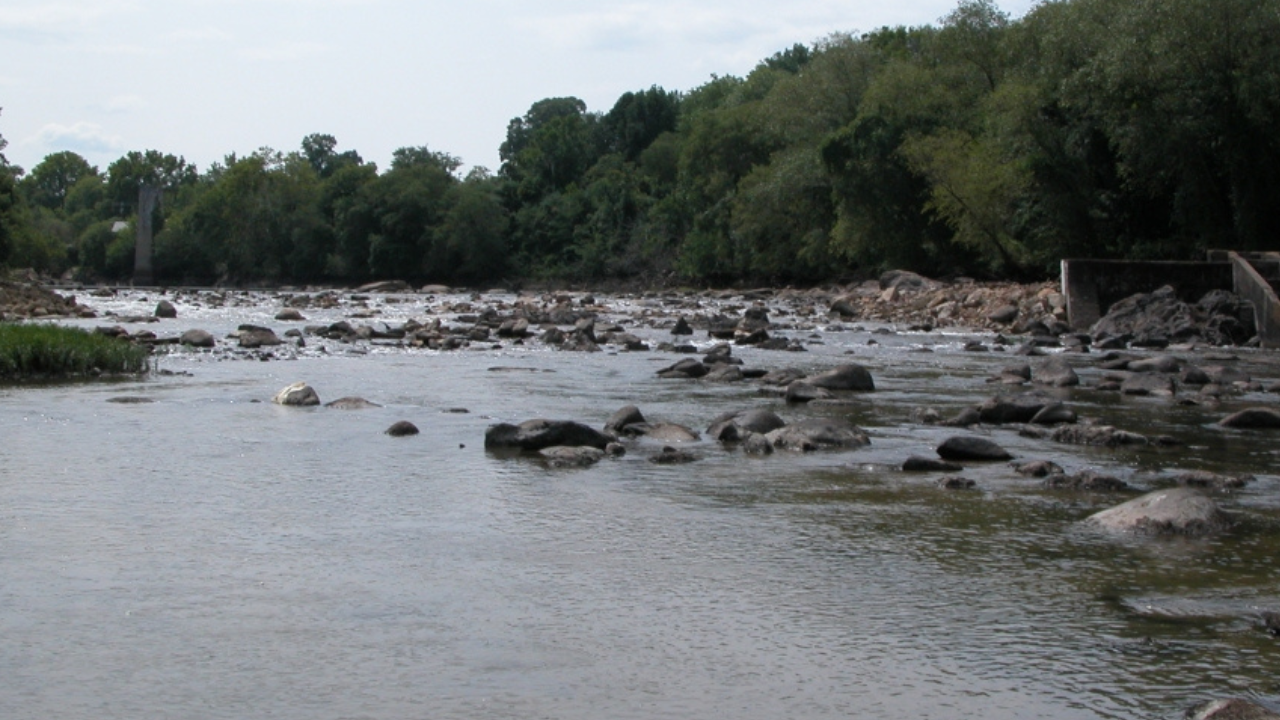
The modern Harvell Dam was built around 1890 and was initially associated with mills and navigation before later being used for hydropower. Its removal followed the retirement of the hydropower facility and years of efforts to address inadequate fish passage. A fish ladder installed in 1998 had not provided sufficient passage, making removal the more effective solution. That mattered particularly for species whose life cycles depend on moving between different parts of a river system.American shad, hickory shad, river herring and American eel were among the fish affected. Striped bass were also among the species expected to benefit from the restoration.
One demolition, more than 120 miles reopened
When the dam was removed in 2014, the river was effectively reconnected for fish upstream of the former obstruction. American Rivers estimated that the project reopened 126.5 miles of habitat, while USFWS describes the restored access as nearly 130 miles. The slight difference reflects the way the distance has been reported, but both figures point to the same scale of restoration.The newly accessible stretch included important spawning and rearing habitat, areas where migratory fish could reproduce and where young fish could develop before moving through the river system. The project was not the work of a single agency. Virginia’s wildlife authorities worked alongside USFWS, the National Oceanic and Atmospheric Administration, American Rivers, the Harvell Dam Corporation and the City of Petersburg.
The river began showing signs of change
The real test came after the concrete was gone. USFWS reports that state biologists and local anglers subsequently observed American shad, hickory shad, American eel, river herring and other fish moving through the river. Earlier monitoring also documented hickory shad, alewife and blueback herring upstream of the former dam within a year of its removal.For a river that had been fragmented by barriers for generations, those sightings represented more than individual fish making their way upstream. They indicated that a stretch of habitat once effectively cut off from migratory species had become accessible again. The Harvell Dam’s removal also brought benefits beyond fish. The restoration returned the river at the site to a free-flowing condition and was expected to improve opportunities for recreational boating and fishing.A structure that had once divided the river was gone. In its place was a continuous pathway, giving migratory fish access to habitat that had been beyond their reach for decades, and in some sense, restoring a route that had been interrupted for centuries.

Leave a Reply