
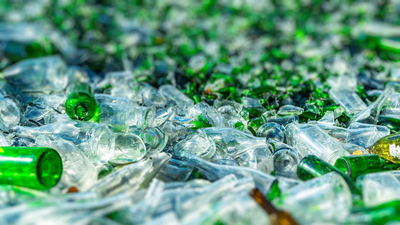
Engineers in Arizona have used an unusual material to expand a major interstate: tens of thousands of tonnes of crushed recycled glass. During the expansion of Interstate 17 north of Phoenix, construction crews used ultra-lightweight foam glass aggregate at 19 locations along a 23-mile section. The material, made entirely from recycled glass, provided a lightweight structural fill that allowed existing drainage culverts, built decades ago for a two-lane highway, to support extra traffic lanes without being crushed by the added weight. According to the Arizona Department of Transportation (ADOT), this was the first time foam glass aggregate had been used in a state infrastructure project. In an official agency publication, ADOT Communications representative Laura Douglas said the material was chosen because it combines high compressive strength, low weight and environmental benefits.
Solving structural challenges on a busy corridor
The 23-mile section of Interstate 17 between Anthem Way and Sunset Point is one of the region’s busiest major routes, carrying more than one million motorists each year. To reduce regular traffic jams and meet growing travel demand, state transport authorities began a major widening project. The work included adding third travel lanes between Anthem Way and Black Canyon City, as well as building dynamic flex lanes through the mountainous area leading to Sunset Point. However, adding lanes meant widening the highway over old concrete box culverts built beneath the road. These underground structures play an important role by carrying stormwater underneath the highway. The original culverts were designed to support only two lanes of traffic. Adding normal soil, stone or heavy concrete fill above them to support wider lanes could have placed too much weight on the structures. Replacing or rebuilding the culverts would have cost much more and caused longer delays in the busy construction area. Engineers found an alternative in ultra-lightweight foam glass aggregate. By using the glass material instead of traditional earth fill, workers reduced the weight placed on the underground concrete boxes.
Manufacturing an ultra-lightweight fill
Although it is made from recycled glass bottles and containers, the finished material looks very different from ordinary glass. “Foam glass is made by crushing recycled glass into a powder and mixing it with a foaming agent,” Douglas detailed in the ADOT report. “The mixed powder is then sent through a kiln and softened. During this process, the foaming agent creates bubbles within the softened glass, which in turn creates the foam glass, an inert, non-leaching, rot-resistant, non-flammable, durable construction material. ” The heating process creates lightweight, porous, gravel-like pieces that weigh far less than standard stone aggregate while still being strong enough to carry heavy loads. Because foam glass is made of closed-cell glass, it is also waterproof. This prevents it from absorbing water and gaining extra weight over the underground structures during heavy rain. The foam glass used along the Arizona highway was made in Florida and transported to the project in large bulk bags. The bags became a noticeable sight for motorists passing the construction area.
Promoting sustainability in highway engineering
The use of foam glass also supports wider sustainability efforts by keeping large amounts of glass waste out of landfills. Glass collected through municipal recycling programmes can be difficult to turn back into new bottles because of sorting problems and mixed colours. Using the material in construction provides another way to reuse it. “Foam glass is not only an innovative material for construction, it’s sustainable and environmentally responsible as well,” Douglas noted in the publication. The use of foam glass on Interstate 17 is part of a wider trend among US state transport departments looking for lightweight and durable fill materials for soft ground, retaining walls and bridge supports. Similar materials have already been used in European infrastructure, while their use on North American highways has increased as transport agencies consider long-term costs and environmental effects.
Progress across the I-17 expansion project
The I-17 Improvement Project combines traditional construction methods with specialised materials. Along with the foam glass, contractors recycled almost all of the rock removed during major blasting work in the surrounding mountains. The blasted rock was crushed on site and reused for aggregate base, embankment support and paving materials, helping reduce waste. The project has a total investment of about $522 million (£395 million), funded through state highway money, federal infrastructure grants and local regional transport funding. By using lightweight glass aggregate over the existing culverts, construction crews avoided costly structural demolition while keeping the widened road safe and stable for heavy commuter and freight traffic. The completion of the widening work and flex lane installation marks a major step forward for Arizona’s transport network.

Leave a Reply