
4 min readAug 24, 2026 04:56 PM IST
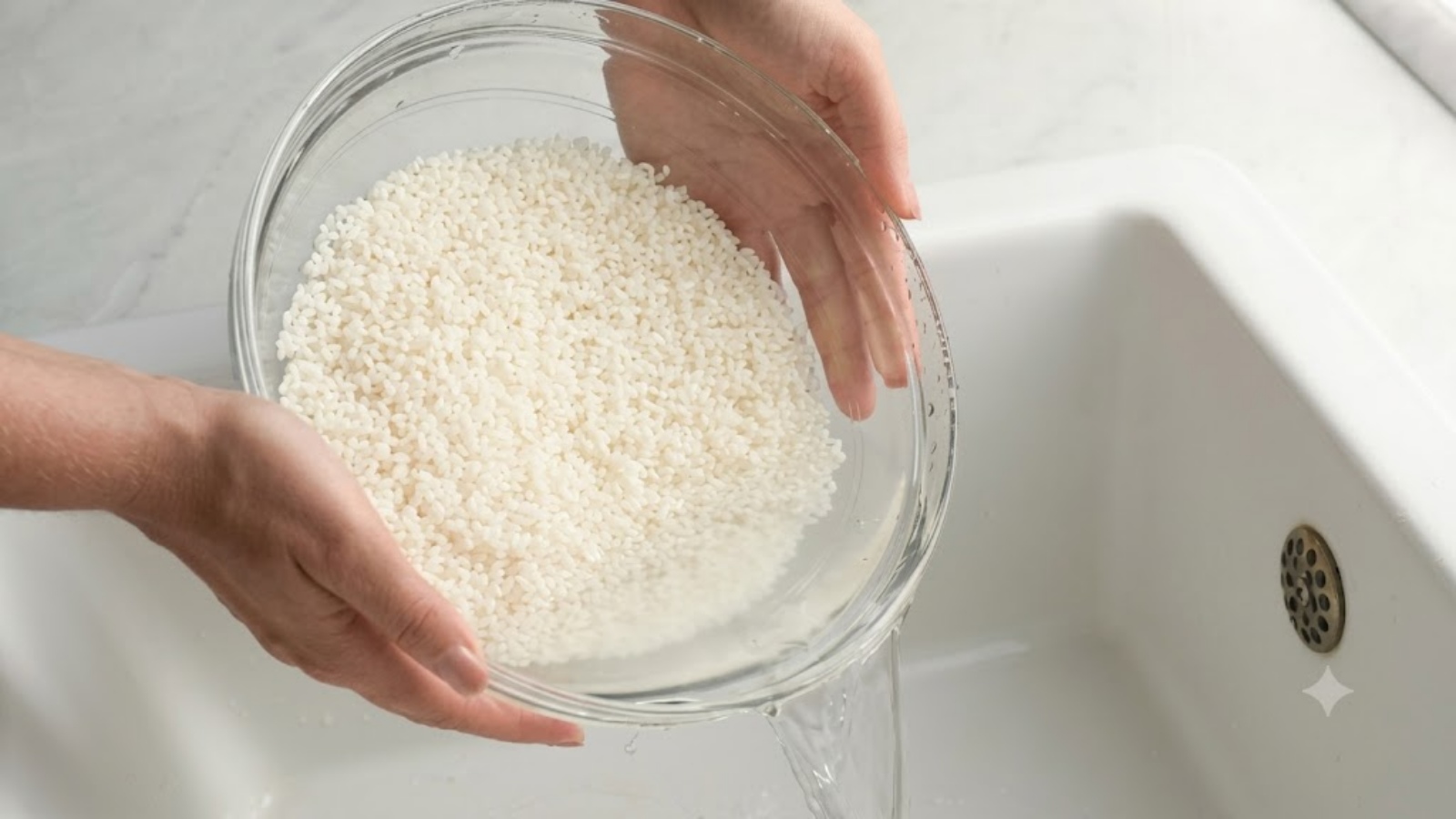
The UK’s recent water-saving campaign has highlighted an everyday South Asian cooking practice: washing rice several times before cooking. The £270,000 initiative, backed by The Water Services Regulation Authority Ofwat’s Innovation Fund and led by South Staffs Water and Cambridge Water, is part of a wider effort to encourage water conservation among different ethnic and faith communities. As part of efforts to encourage water conservation during drought conditions in England, the campaign has suggested that households wash rice twice rather than the five to seven times that some families traditionally practise.
The wider initiative also encourages more mindful water use during wudu, or ritual ablution in Islam. The recommendations aim to promote water efficiency while accounting for cultural practices, but the rice-washing advice has prompted discussion about whether fewer rinses could affect food hygiene, nutrition, or contaminant removal.
In South Indian households, repeated rice washing can be a familiar part of food preparation, influenced by household habits and preferences around cleanliness, texture and cooking. This raises a health-related question alongside the campaign’s water-saving objective: is washing rice twice adequate, or does repeated rinsing offer any nutritional or food-safety advantage?
DISCLAIMER: This article is based on information from the public domain and/or the experts we spoke to. Always consult your health practitioner before starting any routine.
According to Dt Shalini Bliss, Head of Dietetics at PSRI Hospital, washing rice two or three times is generally sufficient for most households. “For most packaged rice, washing twice under clean running water or with fresh water is generally enough to get rid of dust, loose surface starch and minor impurities,” she says.
“Washing it over and over again seven times does not really make the rice much safer,” Dt Bliss adds.
Does washing rice more times remove arsenic?
One common assumption is that repeatedly rinsing rice can help remove potentially harmful substances such as arsenic. However, Dt Bliss says increasing the number of rinses is not an effective way to address arsenic exposure.
Story continues below this ad
“It’s also important to be aware that rinsing is not an effective way to remove arsenic from rice; research and FDA findings indicate it has minimal effect on arsenic levels,” she says.
This means simply washing rice five to seven times may not provide the additional protection some consumers expect. “There is little evidence that washing rice five to seven times has any meaningful additional health benefits over a thorough rinse two or three times,” Dt Bliss adds.
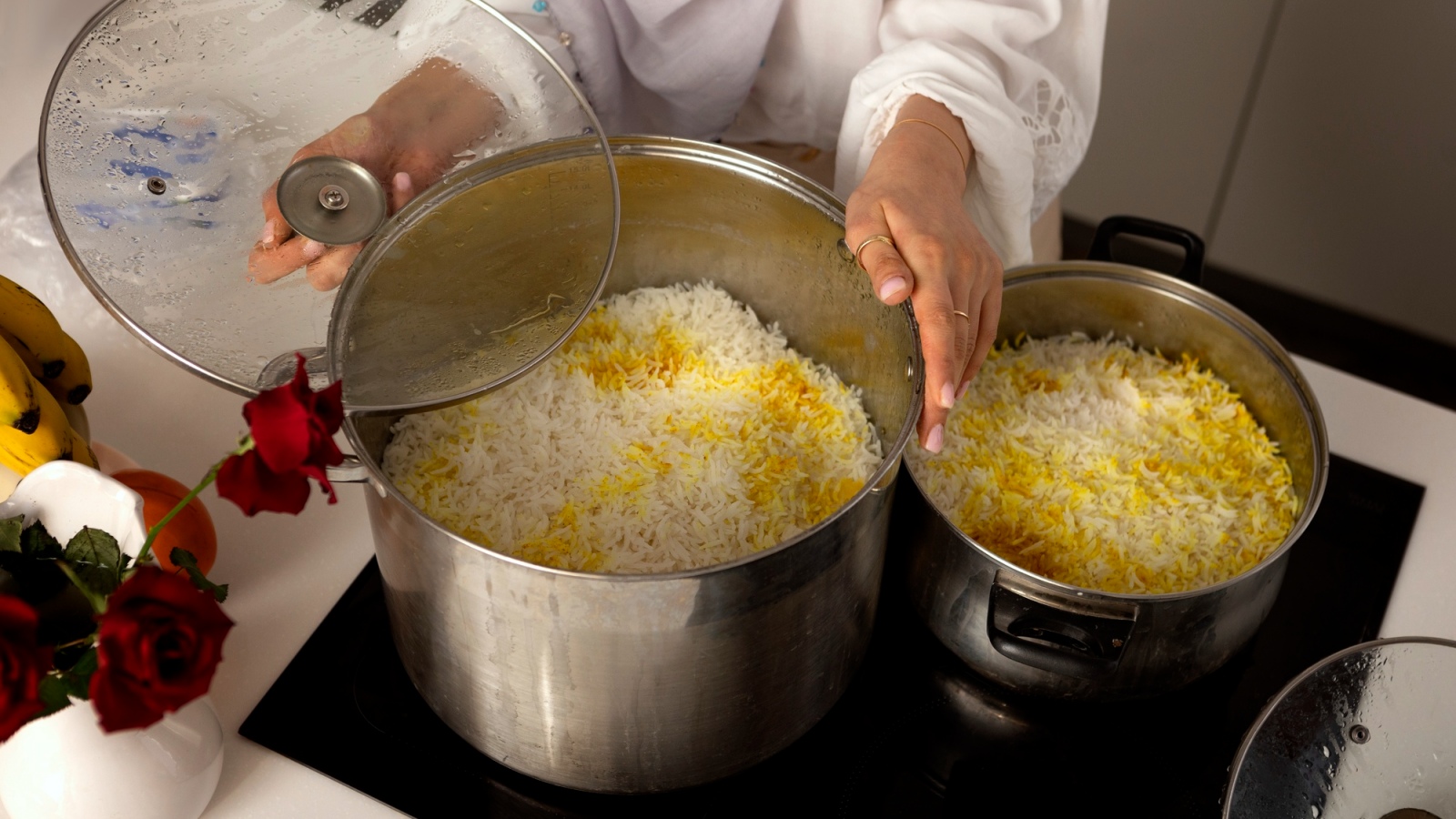 How many times should you be rinsing your rice? (Photo: Magnific)
Can excessive washing affect nutrients?
While repeated rinsing may not significantly reduce arsenic, it can affect some nutrients. Dt Bliss points out that over-rinsing can lead to the loss of certain water-soluble and enriched nutrients.
“Yes. Over-rinsing can result in loss of some water-soluble and enriched nutrients, such as iron, folate, thiamin and niacin, particularly in polished or parboiled rice,” she says.
Story continues below this ad
For households accustomed to washing rice until the water becomes completely clear, this could therefore be an important consideration. According to Dt Bliss, research indicates that rinsing has limited impact on arsenic but can remove some nutrients in the process.
So, how many times should rice ideally be washed?
For most people, Dt Bliss recommends finding a middle ground rather than adhering to either extreme. “Most households will find the practical balance is to rinse rice two or three times, until the water is reasonably clear, not to keep washing it until it’s completely transparent,” she says.
The approach to arsenic exposure, she adds, should focus on factors beyond simply increasing the number of rinses. “If you are concerned about arsenic exposure, the way you cook the rice and the type/source of rice is more important than simply increasing the number of rinses,” Dt Bliss explains.
Certain cooking techniques may also help reduce arsenic exposure. “Specialised cooking methods with excess water may significantly decrease arsenic while retaining more nutrients,” she says.
Story continues below this ad
DISCLAIMER: This article is based on information from the public domain and/or the experts we spoke to. Always consult your health practitioner before starting any routine.

Leave a Reply