
5 min readNew DelhiUpdated: Aug 19, 2026 12:32 PM IST
Red chutney is the backbone of Indian street food. Whether it is a hot plate of momos, parathas, pakode, chownmein, patties, or any other street staple, you’ll find customers asking for its refills.
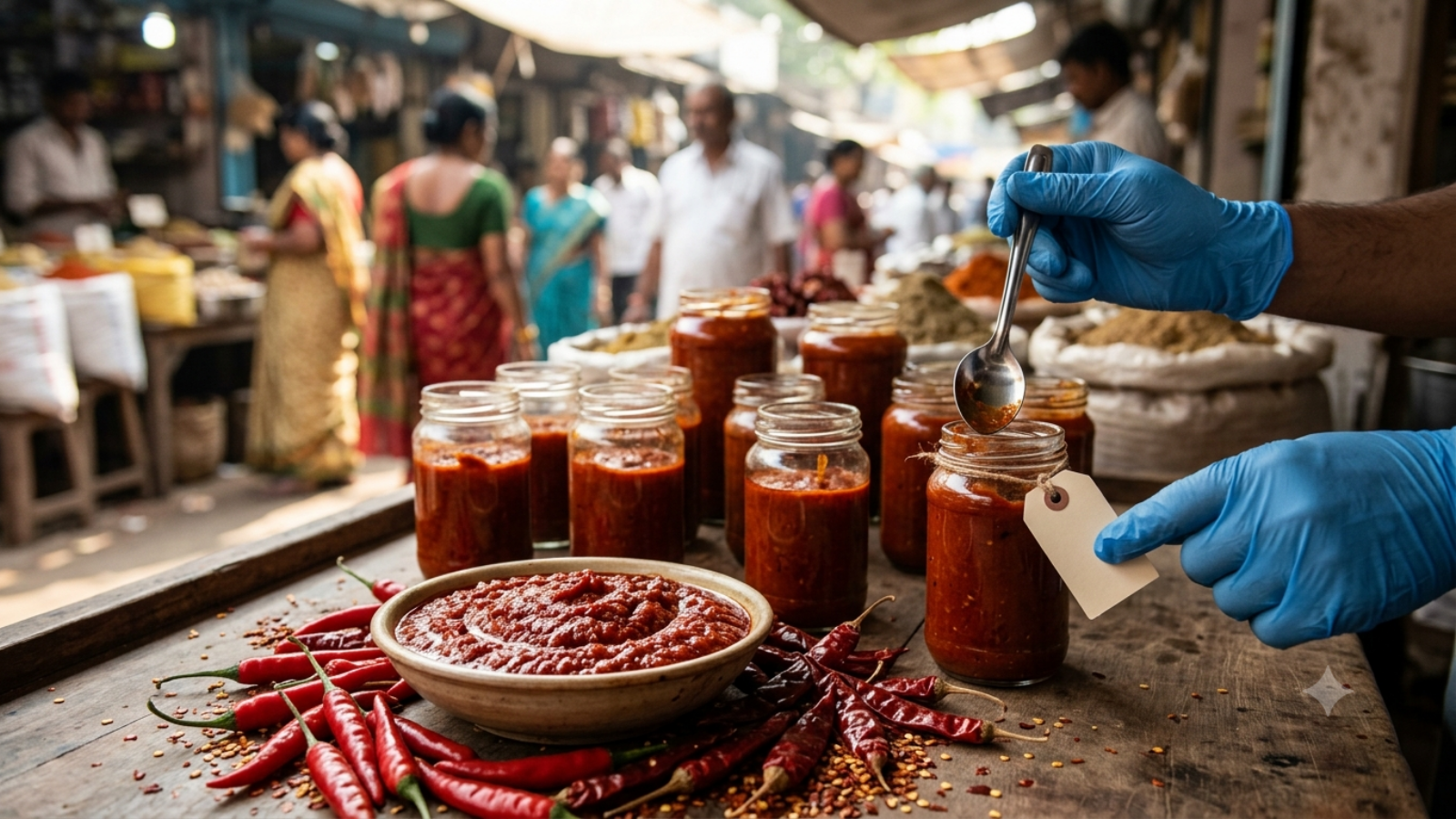
But we have some bad news for the lovers of this spicy condiment. The Gujarat Food and Drugs Control Administration (FDCA) recently seized 700 kg of red chutney from a provision store in Palanpur’s vegetable market in Banaskantha district. The seizure included 140 unlabeled jars, each containing 5 kg of chutney and worth Rs 20,940. Samples have been collected for laboratory analysis, with further legal action to follow based on the test results.
DISCLAIMER: This article is based on information from the public domain and/or the experts we spoke to.
The Food Safety and Standards Authority of India (FSSAI) also said on X that 700 kg of “adulterated red chilli sauce” had been seized during a targeted inspection drive, noting that laboratory analysis was underway.
With a large number of Indians savouring street food regularly, how can you tell if the red chutney you are eating may be adulterated? We decided to dig deeper.
Is an unnaturally bright red colour a warning sign?
#Gujarat 700 kg of adulterated red chilli sauce seized in Palanpur during a targeted inspection drive by Gujarat FDCA. Lab analysis is underway, and strict legal action will be initiated based on the test results. #FSSAIinStates #FSSAIAction #StateFoodSafetyDept pic.twitter.com/DlvcQbnJMP
— FSSAI (@fssaiindia) August 18, 2026
In a conversation with indianexpress.com Dr Shankar Zanwar, senior consultant gastroenterologist, Gleneagles Hospital, Mumbai, reveals that some common adulterants that may be found in red chilli chutney include artificial colours such as Sudan dyes, non-food-grade colouring agents, starch or other fillers, and cheaper powdered materials.
“These may be added to make the chutney look brighter and more attractive, increase quantity, improve texture, or reduce production costs,” the gastro-specialist notes.
One of the first things consumers may notice is the colour. A chutney that is unnaturally bright or uniformly red could raise suspicion, particularly if its appearance seems very different from what would be expected from its ingredients.
Story continues below this ad
Other signs that may warrant caution include an unusual “chemical-like smell, a gritty texture, excessive oil separation or an abnormal bitter or metallic taste.”
However, there is an important caveat: you cannot confirm adulteration simply by looking at, smelling or tasting the chutney.
“Appearance, smell and taste alone cannot reliably confirm adulteration; laboratory testing is needed for certainty,” Dr Zanwar clarifies.
This distinction is particularly important in the Gujarat case because the samples seized from Palanpur are still being tested. Until the laboratory results are available, the exact substance responsible for the alleged adulteration cannot be established.
Story continues below this ad
What are the health risks of adulterated chutney?
 Regular consumption of adulterated chutney may cause gastrointestinal irritation, nausea, vomiting or discomfort ( Pexels)
The effects can depend on the substance used, the quantity consumed and how frequently someone is exposed to it.
“Regular consumption of chutney containing non-permitted colours or other adulterants may cause gastrointestinal irritation, nausea, vomiting or abdominal discomfort.”
Certain “industrial dyes” can be more concerning with repeated exposure, as Dr Zanwar cautions, and may potentially affect the liver and other organs, depending on the specific substance and the amount consumed.
This is why regular consumption of a product containing unknown or non-permitted ingredients is more concerning than simply eating a spicy chutney occasionally.
Story continues below this ad
It is also important not to assume that every brightly coloured chutney contains harmful dyes. A colour or taste change may raise suspicion, but only proper laboratory testing can establish adulteration and identify the substance involved.
What should you check before buying red chutney?
The fact that the chutney seized in Palanpur was found in unlabelled jars is particularly relevant for consumers.
Dr Zanwar advises avoiding chutney sold in unlabelled or unhygienic containers, especially when there is no information about the manufacturer, ingredients, batch details or expiry date.
For packaged chutney, check the label for:
If you are buying loose chutney, it is harder to know exactly what has gone into it or how it has been prepared and stored.
Story continues below this ad
The safer choices are a properly labelled and sealed product from a reliable manufacturer or freshly prepared chutney made at home using ingredients you know.
For now, the Gujarat seizure serves as a reminder to look beyond the colour of your chutney. A striking red hue may catch your eye, but where the product comes from, whether it is properly labelled and what goes into it matter far more — and when adulteration is suspected, laboratory testing is the only way to know for sure.
DISCLAIMER: This article is based on information from the public domain and/or the experts we spoke to.

Leave a Reply