
4 min readNew DelhiAug 15, 2026 09:30 AM IST
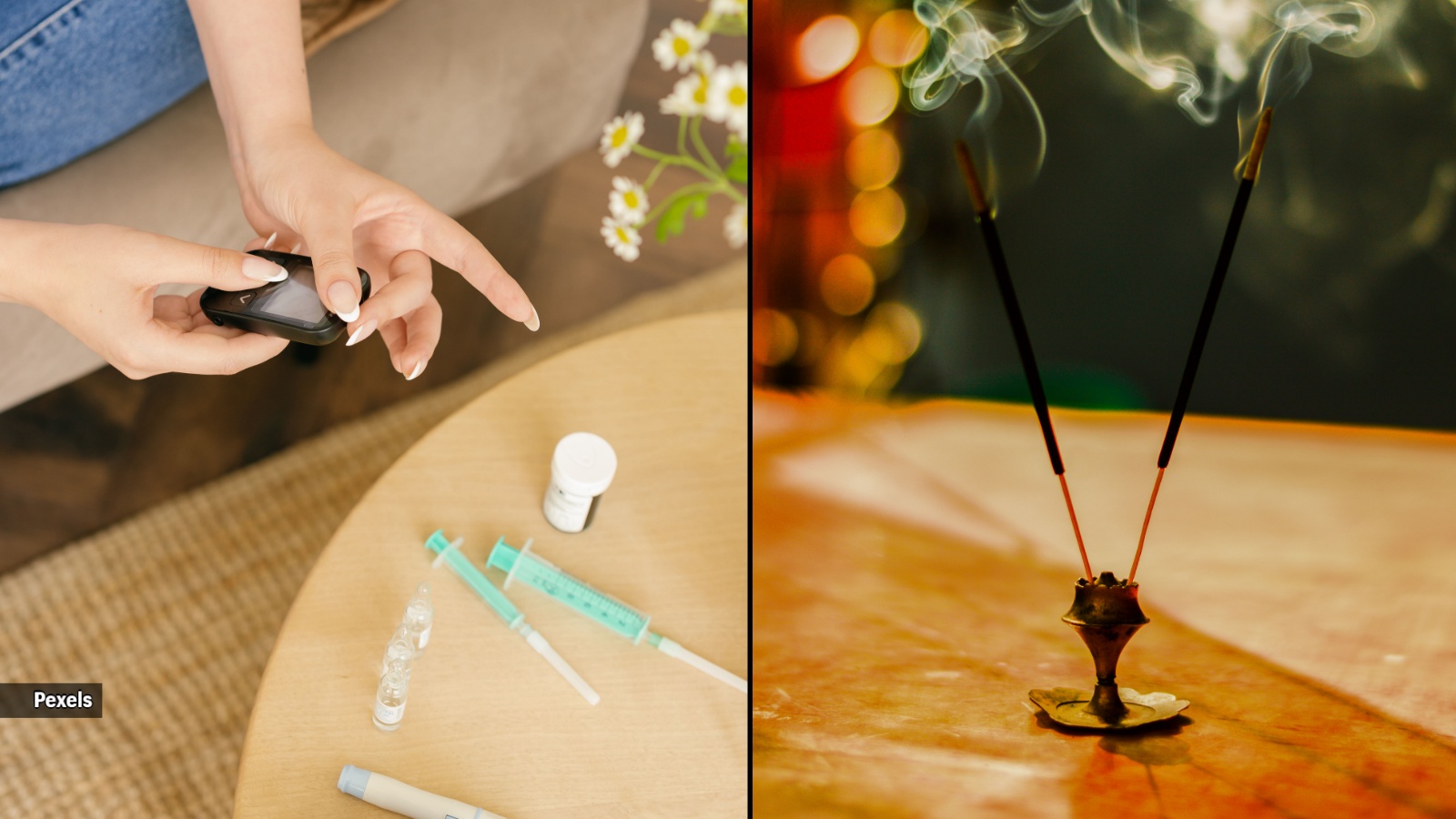
Burning incense sticks or agarbatti is part of everyday life in many Indian homes, whether during prayer, festivals, or simply to make a room smell pleasant. But could that familiar puff of smoke also increase your risk of diabetes?
The internet is full of noise and misinformation, and with a large section of India already living with diabetes, we decided to dig deeper and find out the truth.
According to Dr Rajiv Kovil, Diabetes & Obesity Specialist at Zandra Healthcare, agarbatti is not an established independent risk factor for diabetes, despite some unverified claims online.
“Agarbatti is not an established or recognised independent risk factor for diabetes. There is currently insufficient evidence to say that people who burn incense develop diabetes because of it,” the diabetologist tells indianexpress.com.
There is, however, a broader scientific concern around exposure to air pollution. Chronic exposure to fine particulate matter has been associated with inflammation and insulin resistance. But that does not mean the evidence can automatically be applied to agarbatti and interpreted as proof that incense causes diabetes.
DISCLAIMER: This article is based on information from the public domain and/or the experts we spoke to. Always consult your health practitioner before starting any routine.
Could the smoke affect blood sugar?
There is no convincing evidence that burning an incense stick directly raises blood glucose in the way factors such as food, illness, certain medications or metabolic stress can.
Story continues below this ad
The concern is more theoretical. Prolonged exposure to combustion-related pollutants may contribute to oxidative stress and inflammation, mechanisms that have been associated with poorer insulin sensitivity.
“But their clinical significance specifically from agarbatti exposure remains uncertain,” Dr Kovil notes.
What is actually in agarbatti smoke?
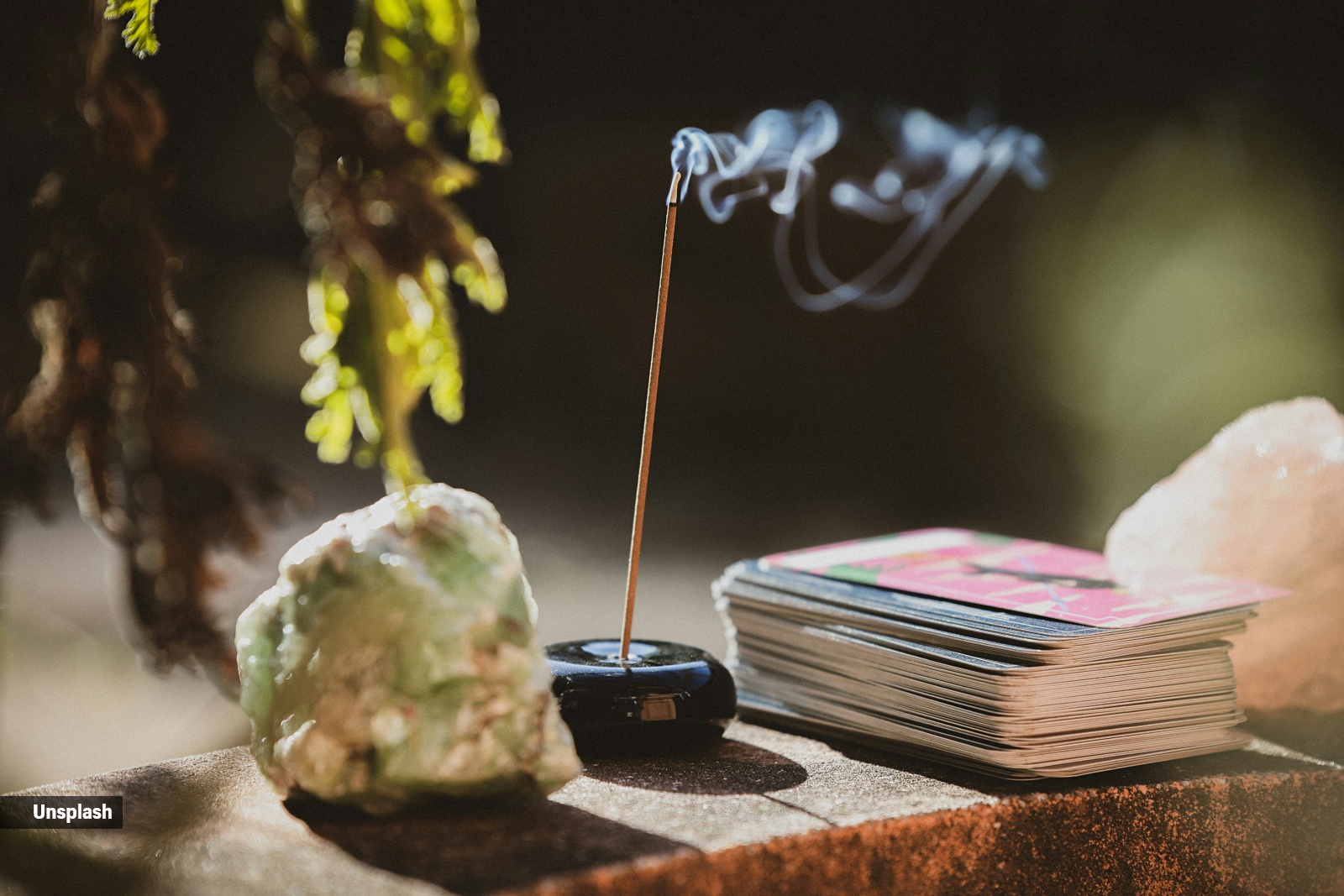 Burning incense can generate fine particulate matter, carbon monoxide and volatile organic compounds (Image: Unsplash)
The composition varies depending on the product and how it burns. Incense smoke can generate fine particulate matter, carbon monoxide and volatile organic compounds.
Some combustion-related pollutants can trigger oxidative stress and inflammatory responses. These pathways have been associated with insulin resistance in wider air-pollution research.
Story continues below this ad
“However, demonstrating a biological mechanism is very different from proving that agarbatti smoke causes diabetes,” Dr Kovil clarifies.
Does daily exposure matter more than occasional use?
Yes. Exposure is not simply an all-or-nothing issue. The dose, duration and frequency matter.
“Occasionally burning one incense stick in a well-ventilated room cannot be equated with prolonged daily exposure in an enclosed environment,” Dr Kovil says.
So, occasional use should not be equated with heavy, prolonged exposure or become a reason for unnecessary fear around religious or cultural practices.
Story continues below this ad
The bigger practical concern is indoor air quality. Burning several sticks in a closed, poorly ventilated room can create a higher concentration of smoke and particulate matter than burning one stick in a ventilated space.
The simple precaution is to keep the room ventilated and avoid unnecessarily high concentrations of smoke indoors.
What if you already have diabetes?
Again, there is not enough evidence to say that people with diabetes are uniquely vulnerable to agarbatti smoke.
However, people with diabetes often have a higher underlying cardiovascular risk, while chronic air pollution is independently associated with adverse cardiovascular health. For this reason, reducing unnecessary indoor smoke exposure is a reasonable precaution, particularly for people with diabetes or cardiovascular or respiratory disease.
Story continues below this ad
And what about “natural” incense?
Products differ in their combustible materials, binders, fragrances and other ingredients, so their emissions can vary. But there is not enough robust clinical evidence to call a particular fragrance or type of agarbatti “diabetogenic”.
Even products marketed as natural can produce particulate matter when they are burned.
To put it simply, it is not that every agarbatti is secretly causing diabetes. The current evidence does not establish agarbatti as an independent cause of diabetes. What is reasonable is to minimise prolonged smoke exposure, particularly in enclosed spaces, and maintain good ventilation.
DISCLAIMER: This article is based on information from the public domain and/or the experts we spoke to. Always consult your health practitioner before starting any routine.

Leave a Reply