
5 min readNew DelhiUpdated: Aug 9, 2026 03:23 PM IST
Many smokers comfort themselves with the thought that serious health problems only appear after decades of smoking. “I’ve only been smoking for a few years,” or “I only smoke socially,” are common justifications. But according to experts, this belief is far from the truth.
While diseases such as lung cancer or chronic obstructive pulmonary disease (COPD) often develop over many years, the body starts reacting to cigarette smoke almost immediately, even if you don’t notice any symptoms.
Dr Samir Garde, Director, Department of Pulmonology and Lung Transplant at Gleneagles Hospital, Parel, explains that smoking begins affecting the lungs, heart and blood vessels from the very first exposure, making it a mistake to assume you’re safe just because you haven’t smoked for decades.
DISCLAIMER: This article is based on information from the public domain and/or the experts we spoke to. Always consult your health practitioner before starting any routine.
How the damage begins from the first cigarette
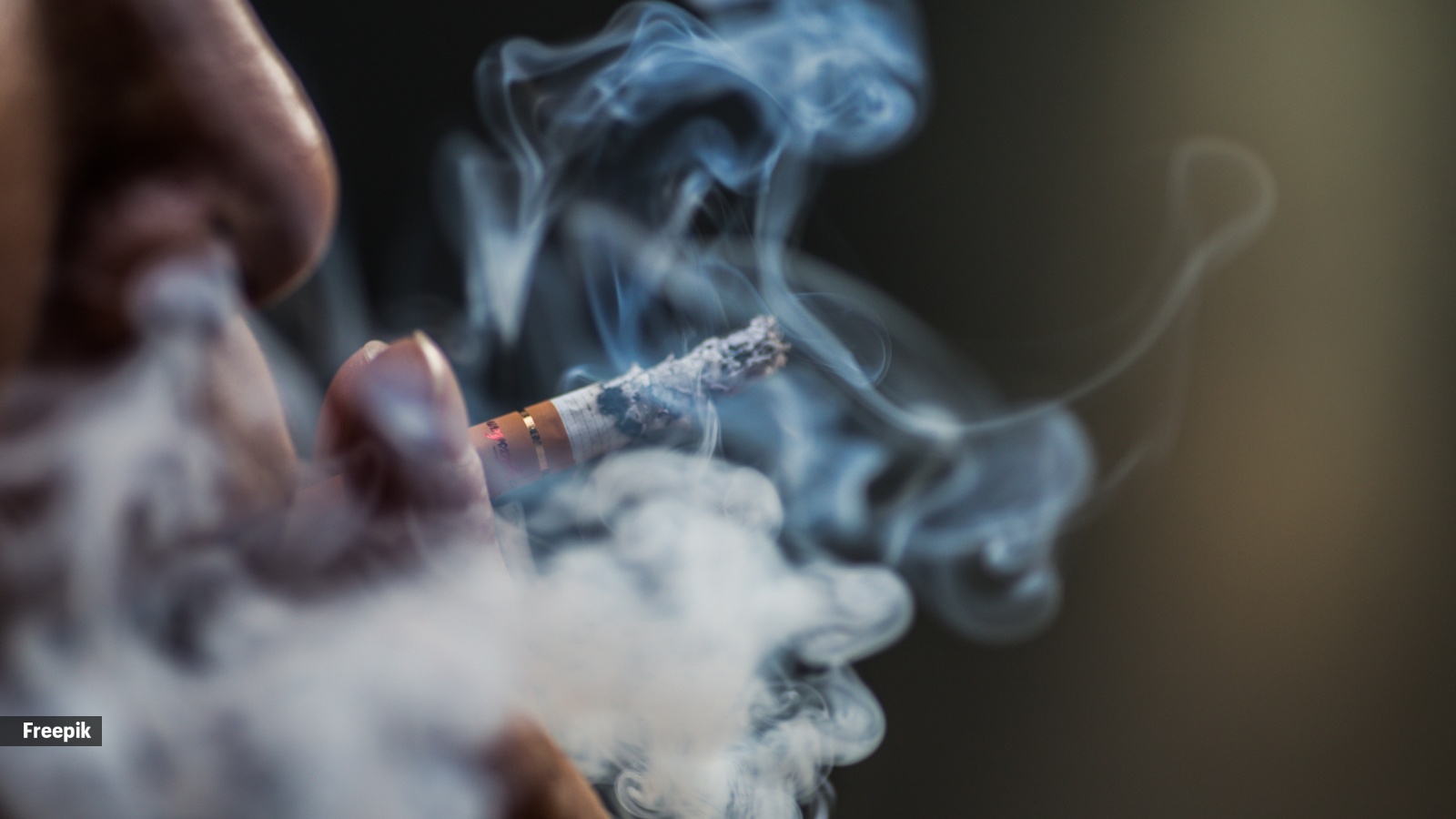
 Main indicators that you might be a heavy smoker include difficulty catching a smokeless puff and chest pain when at rest (Freepik)
“This is a popular misconception and is definitely incorrect. Damage is a gradual process that the body can detect and react to even with minor things such as the first exposure to cigarettes, but this will be so subtle that a person may not be able to feel it.”
According to him, smoking starts affecting the “lungs, blood vessels and heart” within days. The harmful effects accumulate with continued exposure, increasing the risk of several diseases over time.
No symptoms? Why it’s not a free pass
Feeling perfectly healthy doesn’t mean smoking isn’t causing damage. Even small amounts of cigarette smoke can trigger changes inside the body.
Story continues below this ad
“Bad effects are immediate even after taking very small quantities of cigarette smoke. One of the immediate effects is the rise of your heart rate and blood pressure, and lungs start getting irritated and inflamed.”
The pulmonologist sternly warns, “No one is spared, and damage is being done at any instance even if one feels perfectly well.”
Early warning signs you shouldn’t ignore
Smoking doesn’t have to continue for decades before it starts affecting day-to-day health. Even young adults or those who have smoked for only a few years may notice changes.
Some early symptoms include:
- Persistent coughing
- Breathlessness while climbing stairs
- Reduced stamina and energy levels
- Frequent chest infections
- Taking longer than usual to regain normal fitness levels
- Throat irritation
“One of the main indicators that you might be a heavy smoker is that one has difficulty catching a smokeless puff after one has smocked for a while or that one feels chest pain when at rest… Therefore, if you are having these types of symptoms then you should stop smoking right away, otherwise it is going to be much harder later in recovery to find out the real cause of the problem.”
Story continues below this ad
Is there a ‘safe’ number of cigarettes?
 Screenshot of a query posted on Quora asking about smoking-related damage
Many people believe smoking only one cigarette a day or smoking occasionally is relatively harmless. However, Dr Garde says that’s another myth.
“Risk increases with more cigarettes smoked, but there is no safe amount of smoking. If you smoke only one cigarette per day, this already exposes you to the chemicals in it that can cause harmful effects on your heart, lungs, and blood vessels.”
The same applies to social smoking, which is especially dangerous in the long term. “There is not even a single safe form of smoking and that even a small bit of the substance being inhaled in the body can lead to an increased risk of diseases.”
Can the body recover after quitting?
The encouraging news is that quitting smoking benefits the body almost immediately.
Story continues below this ad
“Your body starts repairing right from the point of quitting. Lung capacity gradually increases, and the risks of having heart-related issues, strokes, or other illnesses connected to the lungs are significantly reduced.”
However, delaying quitting reduces these benefits over time. As per the pulmonologist, the longer you have smoked the less health benefits you get out of quitting. Earlier you quit, “healthier the benefits.”
“If you are very young and not smoking, or you are not the least bit interested in trying a cigarette, then that is great, but even teenagers or people of early twenty years are more affected by the side effects of smoking. If you stop smoking today, whatever age you’re at right now, it will be better for the future,” Dr Garde concludes.
DISCLAIMER: This article is based on information from the public domain and/or the experts we spoke to. Always consult your health practitioner before starting any routine.

Leave a Reply