

4 min readNew DelhiAug 8, 2026 06:00 PM IST
When South superstar Chiranjeevi spoke about undergoing a colonoscopy in 2023, many people mistakenly believed he had been diagnosed with cancer. The actor later clarified that doctors had found and removed non-cancerous polyps during the screening and used the incident to stress the importance of regular health check-ups.
After inaugurating a cancer centre in Hyderabad, Chiranjeevi took to X to clear the confusion. He wrote, “I told you that cancer can be prevented if you undergo regular medical tests. I was alert and took a colonoscopy test. I said that non-cancerous polyps were detected and removed. I only said, ‘If I hadn’t done the test first, it would have turned out to be cancer’. That’s why everyone should take precautions and undergo medical tests/screening.”
During the event, the South Indian actor emphasised the importance of regular health screenings for people over 40 and 45, along with maintaining a healthy lifestyle.
He has since continued to advocate for preventive screening, including during a World Cancer Day event in Hyderabad in 2026.
DISCLAIMER: This article is based on information from the public domain and/or the experts we spoke to. Always consult your health practitioner before starting any routine.
If his message has you wondering what a colonoscopy involves, doctors say the preparation begins two to three days before the procedure, and it is just as important as the test itself.
“The main purpose of the colonoscopy is to enable the doctor to see the inside of the colon through the anus clearly,” explains Dr Madhu M P, Lead Consultant – Medical Gastroenterology & Hepatology, Aster RV Hospital.
Story continues below this ad
This is why “proper bowel preparation” is essential because it allows doctors to clearly examine the colon and detect “polyps, inflammation or even very early cancers.”
How to prepare for a colonoscopy
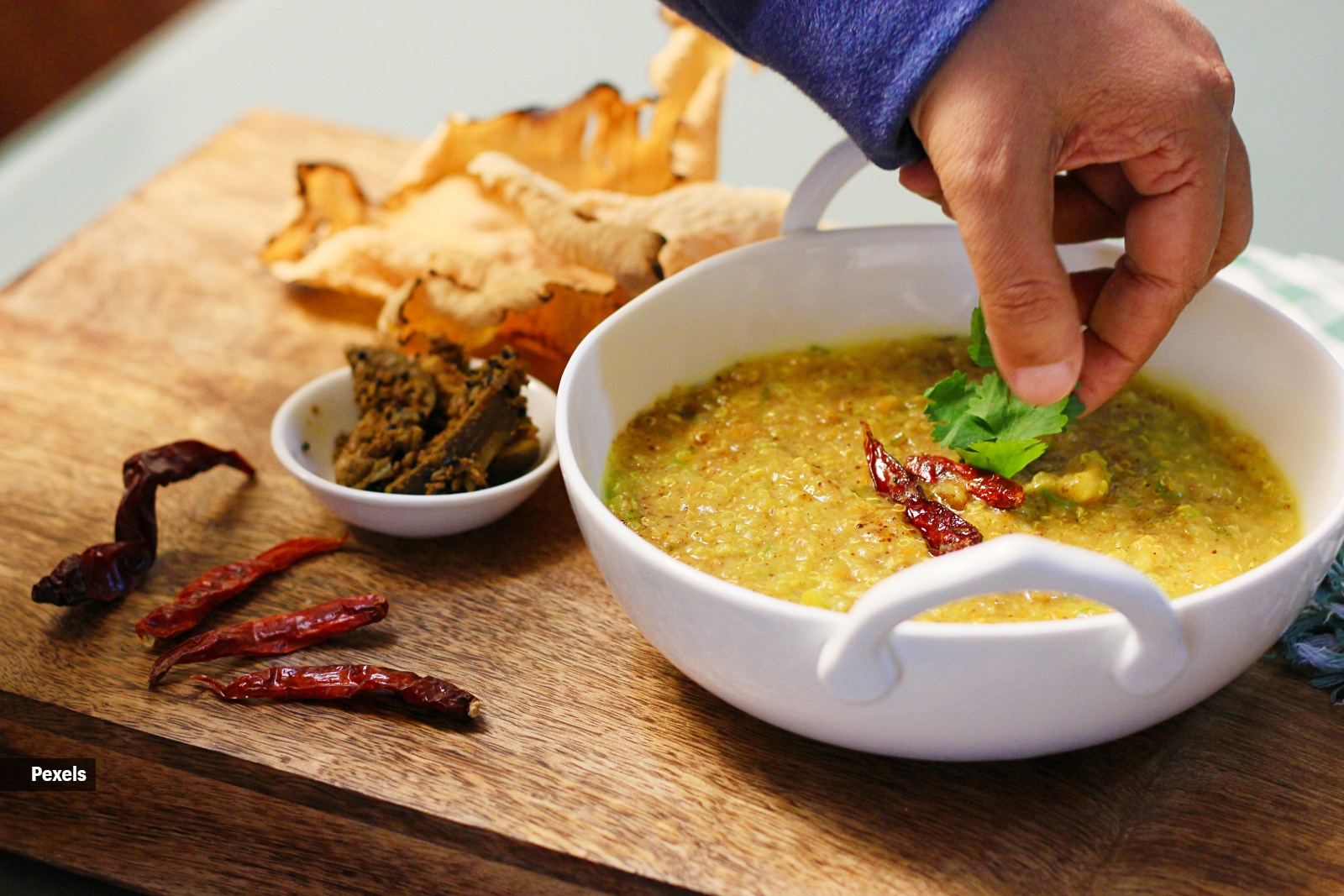 Low-fiber options before colonoscopy: white rice, bread, idli, khichdi, potatoes without skin, eggs (Image: Pexels)
Preparation starts two to three days before the procedure. During this time, switch to a low-fibre diet and avoid whole grains, oats, brown rice, beans, lentils, raw fruits and vegetables, nuts and seeds.
Instead, opt for foods that are easy to digest, such as white rice, white bread, idli, khichdi, dal, eggs, curd and potatoes without the skin. “This food change decreases the output of intestine waste.”
On the day before the colonoscopy, stop eating solid foods and have a “clear liquid diet only”, going for fluids such as coconut water, clear soups, apple juice, ORS, lemon water, black tea or coffee without milk, and plenty of water. Your doctor will also prescribe a bowel-cleansing solution or laxative to completely empty the colon before the test.
Story continues below this ad
Dr Madhu also recommends avoiding alcohol, carbonated drinks, fried or greasy foods, dairy products, and red or purple-coloured drinks during the preparation period.
Should you stop your regular medicines?
Some medicines may need to be paused or adjusted before the procedure, but only after consulting your doctor.
“Blood thinners that are commonly used, such as warfarin, clopidogrel and aspirin might be necessitated to be either paused or modified in order to cut down the bleeding risk during the process of polyp removal which is through endoscopy.”
Similarly, diabetes medicines, particularly insulin and metformin, may also require dose adjustments because fasting and laxatives can affect blood sugar levels.
Iron supplements should usually be stopped five to seven days before the test because they can darken stools and make it harder for doctors to examine the colon. Herbal supplements such as garlic, ginkgo and ginseng may also need to be discontinued as they can increase the risk of bleeding.
Story continues below this ad
Chiranjeevi’s experience is a reminder that a colonoscopy is not just a test to detect disease, it can also help prevent colorectal cancer by identifying and removing precancerous polyps early. As Dr Madhu emphasises, following the preparation instructions carefully is essential for an accurate examination.
DISCLAIMER: This article is based on information from the public domain and/or the experts we spoke to. Always consult your health practitioner before starting any routine.

Leave a Reply