
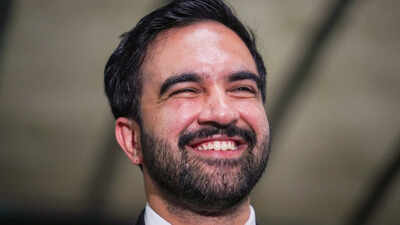
New York City Mayor Zohran Mamdani opened his term by trying to shut a delivery app down. Six months later, he has the two biggest names in the business in his sights. On Wednesday, Mamdani said the city’s crackdown on hidden tip buttons at Uber Eats and DoorDash has pushed an extra $104 million into delivery workers’ pockets since January, and signalled the enforcement drive is far from over.“Uber Eats and DoorDash hid tip buttons and set default tips below 10%. As a result, tips for delivery workers fell 79%,” the mayor posted on X, saying the city forced the platforms to redesign their apps in January. He called the result the start of a longer push on how the apps treat the people working on them.The figures come from a Department of Consumer and Worker Protection report released alongside him. In the four weeks before the rules kicked in, workers averaged $1.18 in tips per delivery. In the four weeks after, that rose to $2.29. The city’s roughly 70,000 app-based delivery workers are now on pace to earn an extra $184 million a year, about $2,287 each.
What actually changed on January 26 for food delivery apps in the NYC, and why the tip button sits at checkout now
Since that date, apps operating in the city must show customers a clear tipping option before payment: a selectable 10% tip, a custom amount, or nothing at all. The rule exists because of what happened the last time the city acted. When the minimum pay standard for delivery workers took effect in December 2023, Uber Eats and DoorDash buried their tipping menus, a move DCWP estimates cost workers around $550 million.The industry’s warning that tipping rules would dent orders hasn’t shown up in the data. Weekly orders are running at 3.3 million, about 700,000 higher than in December 2023. Hourly earnings including tips have climbed from $10.48 to $27.32, a 161% jump.
From Motoclick to the giants: how the NYC Mayor Zohran Mamdani’s administration escalated its delivery app fight
The first target was smaller. In January, the city sued Motoclick and its CEO, seeking to shut the operation down, accusing it of charging workers $10 penalties on cancelled orders and deducting the full cost of refunded meals from their pay.Enforcement has since widened. Mamdani pointed to a January settlement requiring Uber Eats and other platforms to pay more than $5 million, and said DCWP’s budget grew by over $4 million in June to add staff. The tipping law survived a legal challenge from both companies. Neither responded to requests for comment.

Leave a Reply