
5 min readNew DelhiUpdated: Jul 27, 2026 06:04 PM IST
Elite athletes often perform extraordinary physical feats that are difficult to compare with everyday fitness goals. Sports such as weightlifting require competitors to stay within strict weight categories, meaning athletes may spend weeks or months carefully managing body weight, muscle mass, hydration and nutrition to qualify for competition.
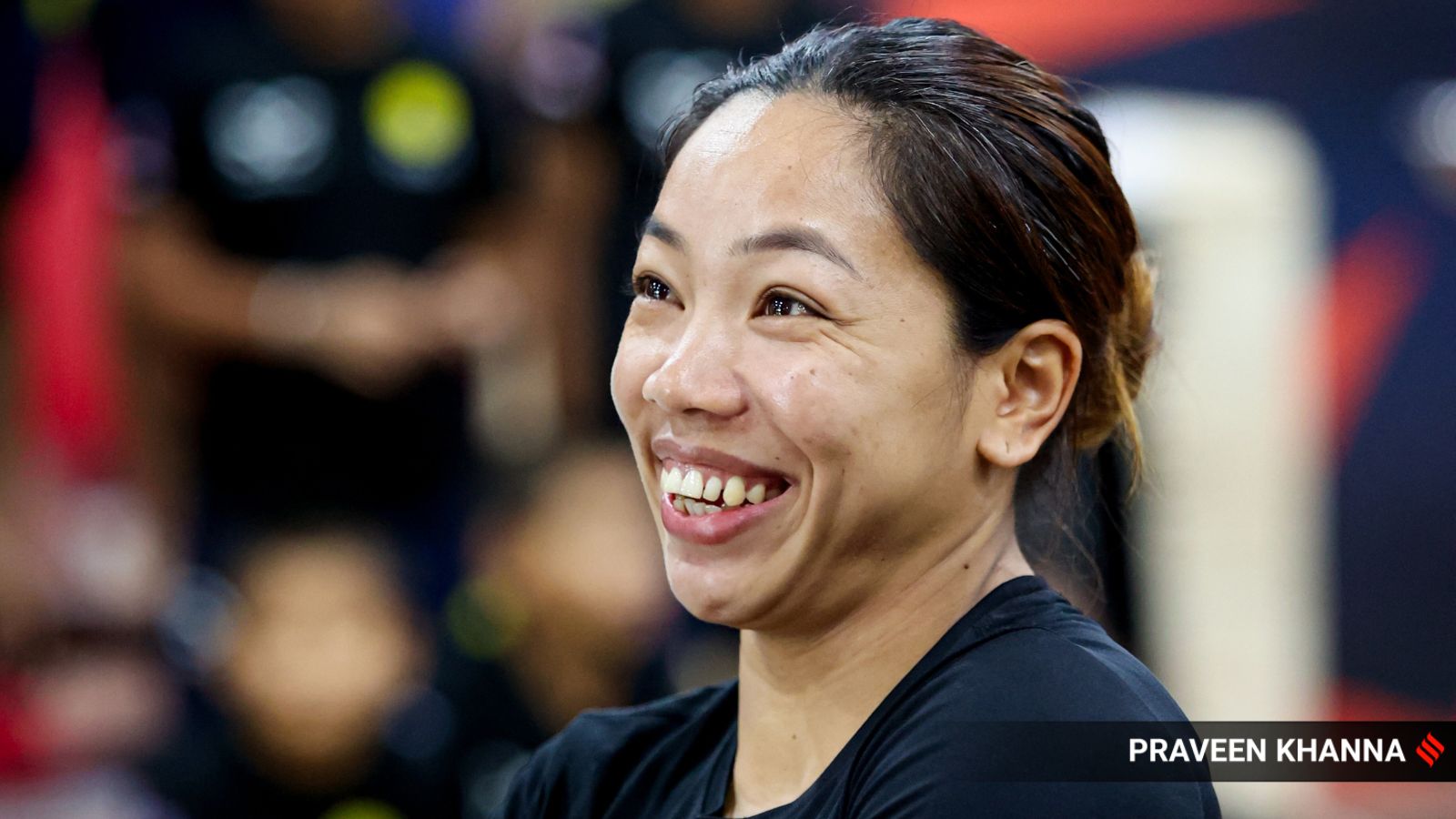
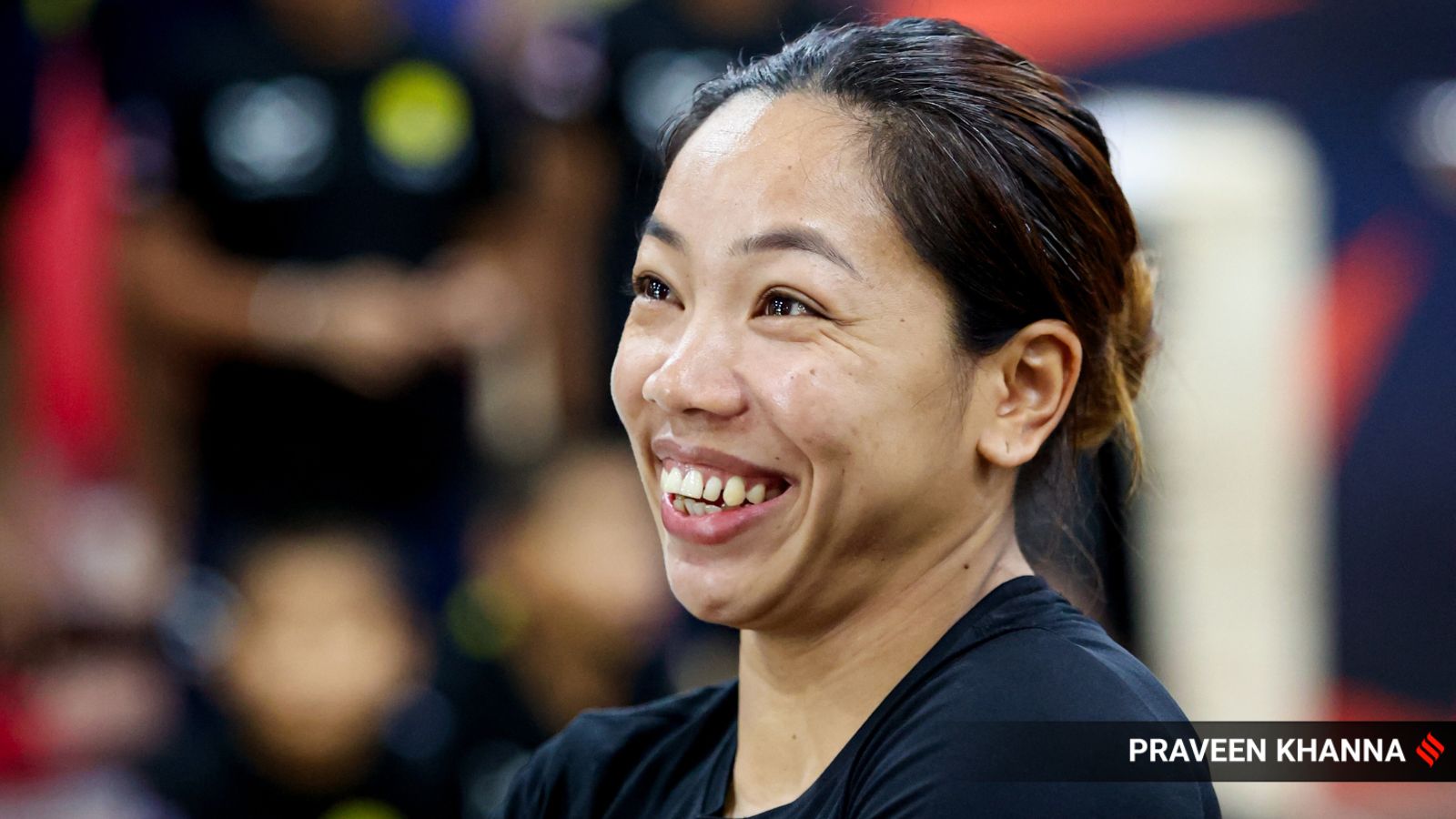
After winning her third successive Commonwealth Games gold medal in the women’s 48kg category, weightlifting champion Mirabai Chanu spoke candidly about the challenges of making weight. Shortly after her victory, PTI quoted her saying, “Jaldi jaldi karo, maine kuch khaaya nahi hai 2 din se (please do this quickly, I haven’t eaten in 2 days).” She later explained, “Managing my weight is extremely difficult. For any athlete, controlling body weight takes an immense struggle. When I compete in the 48 kg category, it is difficult because I barely have any room to lose more.” Describing the measures she took before the competition, she added, “To make weight this time, I had to stop everything. I couldn’t eat food and haven’t drunk water for three days.” Mirabai also revealed, “50.5kg is my natural weight, so for 49 kg, a cut of 1.5kg, but for 48kg it becomes more, which is really tough (sic).”
DISCLAIMER: This article is based on information from the public domain and/or the experts we spoke to. Always consult your health practitioner before starting any routine.
Her comments also bring back memories of wrestler Vinesh Phogat’s heartbreaking disqualification from the women’s 50kg event at the Paris 2024 Olympics after she was found to be just 100 grams over the weight limit on the morning of her gold medal bout. Together, these incidents highlight just how unforgiving weight-category sports can be.
But while such practices are sometimes part of elite competitive sport, they raise broader questions about safe weight management, muscle preservation and the difference between an athlete’s short-term weight cut and healthy weight loss for ordinary people. We asked an expert to explain.
Elite weight cuts vs healthy weight loss
Dr Palleti Siva Karthik Reddy, MBBS, MD, general medicine, FAIG, Consultant physician at Elite Care Clinic, tells indianexpress.com, “Rapid weight-cutting protocols used by elite athletes are specialised medical and sports nutrition interventions intended solely to meet competition requirements. They are not designed as healthy weight-loss methods and are usually conducted under close supervision with careful monitoring of hydration, electrolyte balance, and recovery.”
Sadhna Singh, Senior Fitness and Lifestyle Consultant at HereNow Official, adds that rapid weight cuts in elite sport are performance-driven and time-bound strategies designed to meet competition weight categories, not to improve long-term health. “Much of the weight lost is often water and glycogen rather than body fat, and athletes typically regain these soon after weigh-in under carefully supervised rehydration and refuelling protocols.”
For the average individual, Dr Reddy stresses that these practices “offer little health benefit and carry significant risks, including dehydration, electrolyte disturbances, cardiovascular strain, and impaired physical and cognitive function.”
Story continues below this ad
“Sustainable fat loss through gradual calorie control and regular exercise remains the safest and most effective approach for the general population,” shares Singh.
Effects of severe food and fluid restriction
According to Singh, severe restriction of food and fluids places the body under considerable physiological stress. Initial weight loss is largely due to water depletion and glycogen loss rather than meaningful fat reduction.
“Inadequate protein and calorie intake can accelerate muscle breakdown, reducing strength, recovery, and exercise performance. Dehydration further impairs endurance, concentration, coordination, and temperature regulation while increasing the risk of cramps and dizziness. Repeated cycles of extreme dieting can also slow metabolic adaptation over time, making sustainable weight management more difficult,” shares Singh.
Safe fat loss while preserving muscle
Quick Quiz
See if you can answer this:
Story continues below this ad
What is the safest way to lose body fat while preserving muscle?
A. Follow a crash diet and deliberately dehydrate before workouts.
B. Lose weight gradually with a balanced diet, adequate protein, regular strength training, proper hydration and enough recovery.
C. Skip meals and avoid resistance training to lose weight faster.
Story continues below this ad
D. Ignore symptoms such as dizziness or persistent weakness because they are a normal part of fat loss.
Reveal the answer
✅ Correct answer: B
Dr Reddy reveals that evidence shows that gradual fat loss supported by balanced nutrition, adequate protein, regular resistance training, proper hydration and sufficient recovery is the safest way to reduce body fat while maintaining muscle. Warning signs such as persistent weakness, dizziness, fainting, rapid heartbeat, reduced exercise tolerance, recurrent illness, significant mood changes, or ongoing muscle loss should not be ignored and warrant medical evaluation.
DISCLAIMER: This article is based on information from the public domain and/or the experts we spoke to. Always consult your health practitioner before starting any routine.

Leave a Reply