
5 min readNew DelhiJul 15, 2026 02:55 PM IST
Cancer treatment often involves much more than chemotherapy alone. Depending on the type of cancer, the treatment plan and a person’s overall health, patients may also require supportive medications to help manage side effects, reduce complications and strengthen the body’s ability to cope with intensive treatment. These additional therapies can sometimes be unfamiliar to the public, even though they play an important role in cancer care.
DISCLAIMER: This article is based on information from the public domain and/or the experts we spoke to. Always consult your health practitioner before starting any routine.
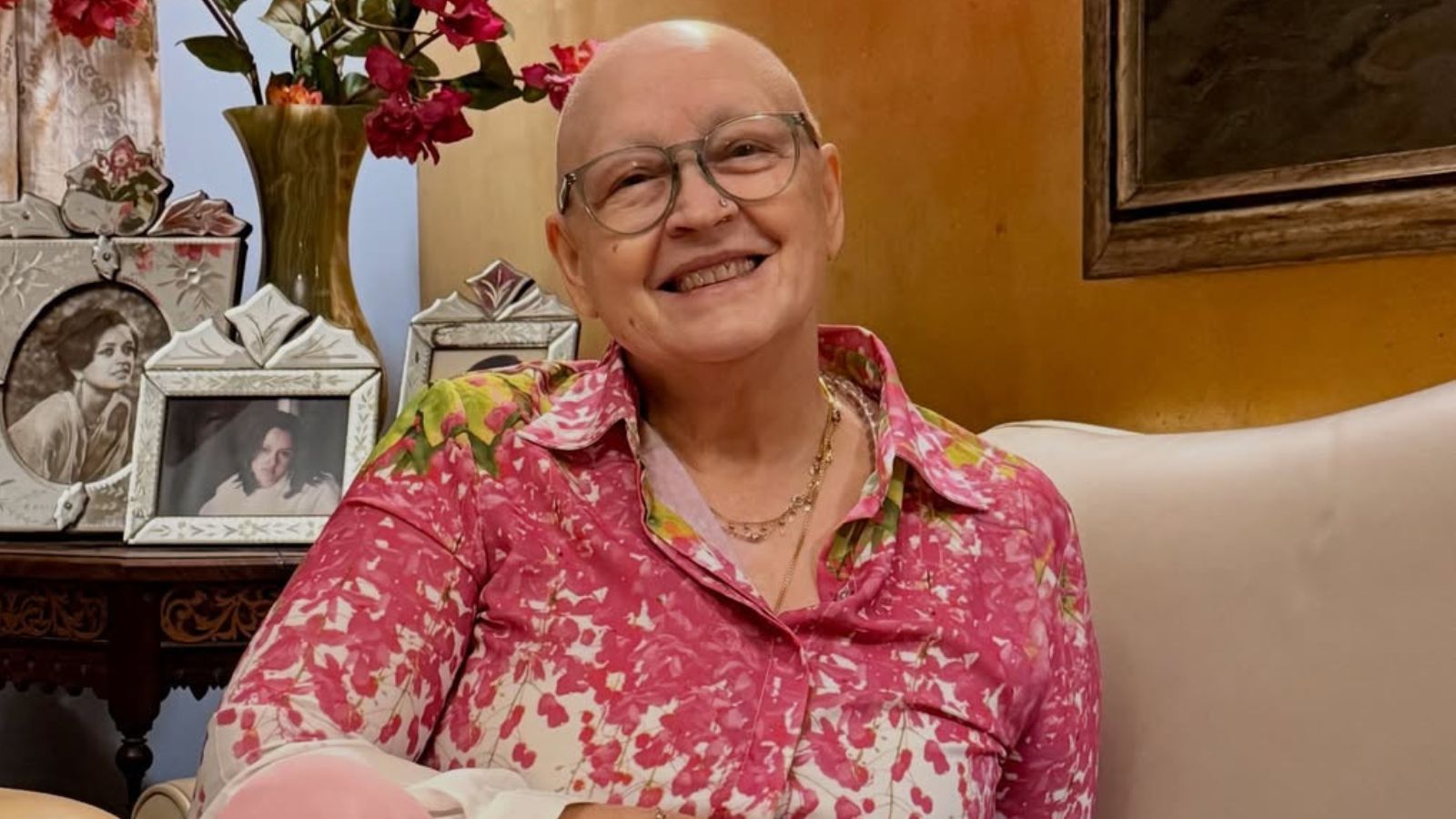
Actor Nafisa Ali Sodhi, who is currently battling a Stage 4 recurrence of peritoneal and ovarian cancer, recently shared an update about her health on Instagram while attending the trailer launch of her upcoming film. She wrote, “It was wonderful being with my cast and team of ‘Max, Min & Meowzaki’ in MUMBAI for the trailer release. I had just finished chemotherapy, had 2 bone immunity injections over the next two days to fly, and I was on antibiotics due to a tummy bug. It was tiring, but it was so full of love and cheer …it made me happy.”
Her post has sparked curiosity about the supportive treatments that often accompany chemotherapy, particularly what patients commonly refer to as “bone immunity injections” and why they may be prescribed during cancer treatment. We asked an expert to explain.
What are ‘bone immunity injections’?
Dr Radheshyam Naik, oncologist and founder, Samprada Hospital, tells indianexpress.com, “These injections are most commonly granulocyte colony-stimulating factors (G-CSF), such as filgrastim or pegfilgrastim. They are often referred to by patients as bone immunity injections because they stimulate the bone marrow to produce neutrophils, a type of white blood cell that plays a crucial role in fighting infections.”
Dr Jagadish Hiremath, a public health intellectual, adds, “Their use is especially important when a chemotherapy regimen is known to significantly lower blood counts or when maintaining the planned treatment schedule is critical for the success of cancer therapy.”
Dr Deepak Jha, chief, Breast Surgery and sr. consultant, Surgical Oncology, Artemis Hospitals, states, “Because of chemotherapy, white blood cells may go down, and infection risk may increase temporarily. The injections are meant to encourage the bone marrow to produce new white blood cells to fight infection more quickly.” He notes that they reduce the risk of serious infections, they reduce hospital admissions, and they help patients continue chemotherapy without unnecessary treatment delays.
How G-CSF injections restore immunity
Quick Quiz
Before reading on, see if you can answer this:
Why are G-CSF injections commonly prescribed after chemotherapy?
A. They directly destroy any remaining cancer cells.
B. They stimulate the bone marrow to produce more neutrophils, helping lower the risk of serious infections.
C. They prevent all side effects caused by chemotherapy.
D. They permanently strengthen the immune system after cancer treatment.
▼ Reveal the answer
✅ Correct answer: B
According to Dr Naik, chemotherapy can temporarily suppress the bone marrow, leading to low neutrophil counts (neutropenia) and increasing the risk of serious bacterial and fungal infections. G-CSF injections help the bone marrow recover by boosting the production and release of neutrophils into the bloodstream. They are often recommended for people receiving intensive chemotherapy, older adults, those with advanced cancers or other medical conditions, and anyone at high risk of febrile neutropenia, a medical emergency marked by fever and severely reduced white blood cell counts.
Story continues below this ad
Side effects and infection prevention
The most common side effect of G-CSF injections is bone pain, Dr Naik states, particularly in the back, hips, or long bones, as the bone marrow becomes more active. “Some patients may also experience mild fever, fatigue, headache, or redness at the injection site. Although uncommon, severe allergic reactions or enlargement of the spleen require immediate medical attention. Patients should report persistent abdominal pain, breathing difficulty, or high fever without delay.”
Dr Hiremath mentions that supporting immunity during chemotherapy goes beyond medication. “Adequate protein intake, staying physically active within individual tolerance, maintaining good oral hygiene, getting enough sleep, and keeping chronic conditions such as diabetes under good control all contribute to better recovery.”
“Patients should also promptly report any fever, chills, persistent cough, or new symptoms to their oncology team, as early intervention is critical during chemotherapy,” concludes Dr Naik.

Leave a Reply