
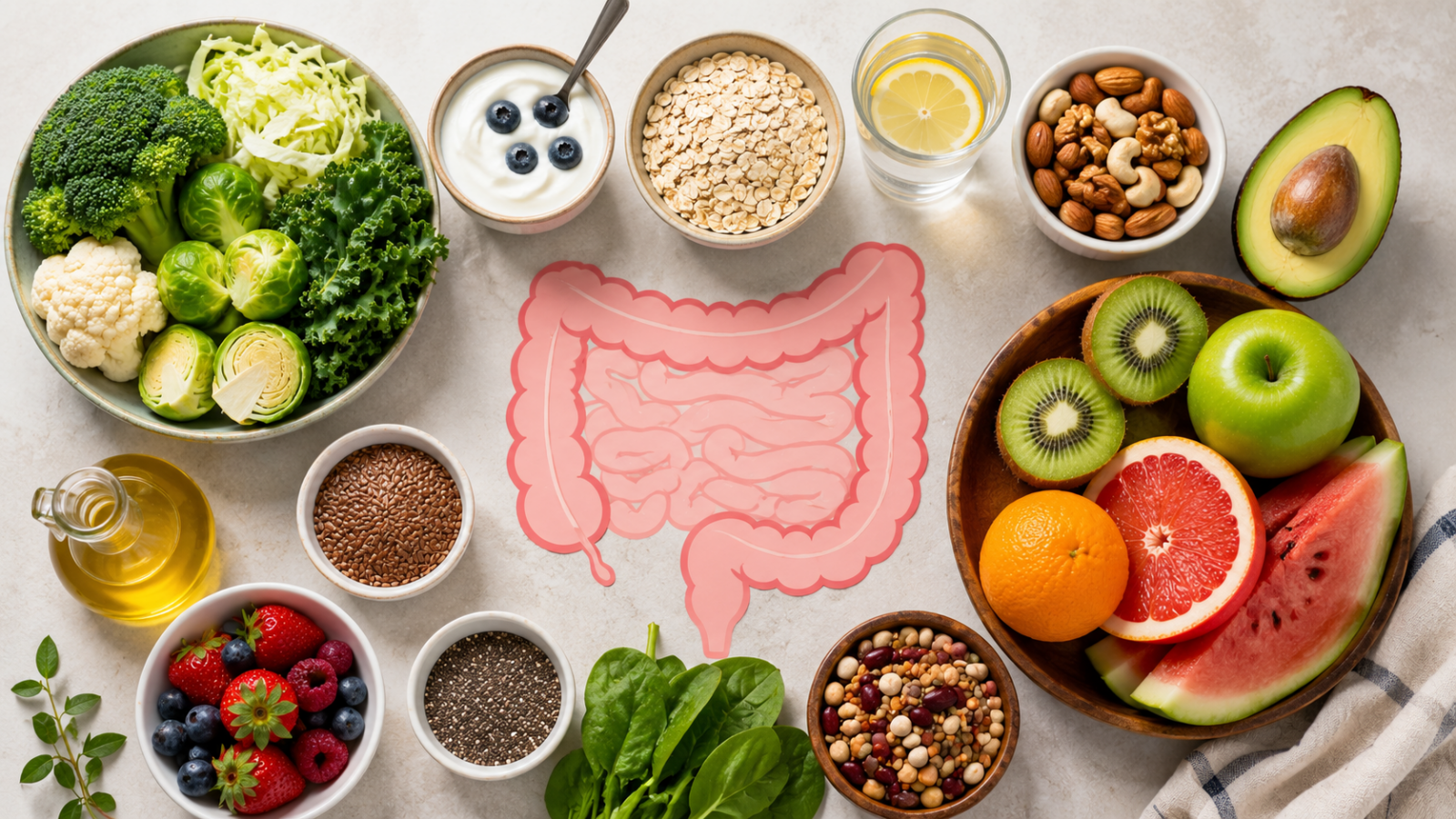
What should you eat for a healthier colon? A recent Instagram post by US-based gastroenterologist Dr Joseph Salhab attempted to answer that question. Sharing the foods he personally eats as someone who sees colon cancer regularly in his practice, the doctor highlighted everything from cruciferous vegetables and yoghurt to nuts, fruits, and avocados.
“This does not mean one food prevents cancer by itself, and food is not a replacement for colonoscopy or colorectal cancer screening — but these foods have been associated with colon health, gut health, fiber intake, and colorectal cancer risk in studies,” he captioned the post.
While experts agree that no single food can prevent colon cancer, many of the items on his list have been linked to better gut health and may help lower colorectal cancer risk as part of an overall healthy lifestyle. Let’s find out more below.
DISCLAIMER: This article is based on information from the public domain and/or the experts we spoke to. Always consult your health practitioner before starting any routine.
1. Cruciferous vegetables
Broccoli, cabbage, cauliflower, kale, and Brussels sprouts top Dr Salhab’s list. He says eating at least half a cup daily may help lower colon cancer risk.
“Cruciferous vegetables such as broccoli, cabbage, and cauliflower contain beneficial plant compounds,” Dr Romeeta Trehan, Senior Consultant-Radiation Oncology, Paras Health, Panchkula, tells indianexpress.com.
These vegetables are among the most studied foods when it comes to colon health because they contain beneficial plant compounds and bioactive compounds that have been researched for their potential protective effects against cancer.
2. Yoghurt and oats
The gastroenterologist starts every morning with yogurt and oats. The combination provides both probiotics and fibre. While yogurt helps maintain a healthy balance of gut bacteria, oats provide soluble fibre that supports digestion and promotes regular bowel movements. Fibre, in particular, has consistently been associated with better gut and colon health.
Story continues below this ad
3. Tree nuts
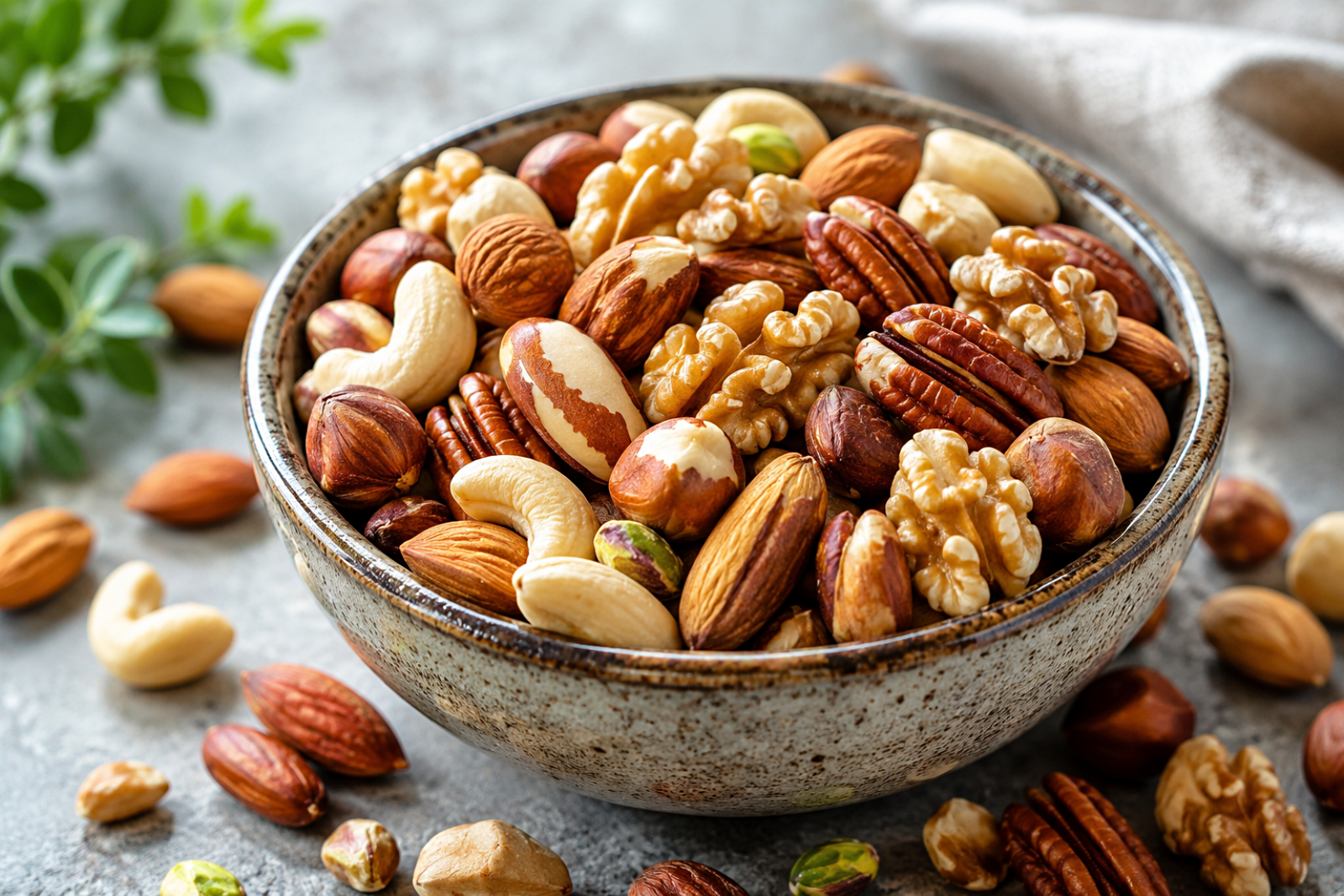 Most common varieties of tree nuts include almonds, Brazil nuts, cashews, hazelnuts (filberts), macadamia nuts, pecans, pine nuts, pistachios, and walnut (Ai generated image).
Dr Salhab says research has shown benefits even after a colon cancer diagnosis, which is why he includes tree nuts in his diet regularly.
As per experts, tree nuts indeed provide healthy fats, fibre, and antioxidants, nutrients that contribute to overall digestive wellness and are often part of healthy eating patterns linked to better long-term health.
4. Kiwi, watermelon, citrus fruits, and apples
These fruits also feature prominently on the doctor’s list. That’s because they provide vitamins, hydration, fibre, and plant compounds that support digestive health. Apples deserve a special mention because they contain pectin, a type of fibre that helps nourish beneficial gut bacteria and supports bowel regularity.
5. Avocados
Avocados are another staple in Dr Salhab’s diet. Rich in fibre and healthy fats, they help support normal bowel function. The gastroenterologist also points to research suggesting avocados may help improve gut bacterial diversity, an important marker of gut health.
Story continues below this ad
 Avocados are also rich in fiber and nutrients that help maintain a healthy gut environment: Dr. Manoj Yadav, Consultant – Gastroenterology Sarvodaya Hospital Sector-8, Faridabad (Image: Pexels)
So, can these foods really prevent colon cancer?
Not on their own. “While these foods can be valuable additions to a healthy diet, no single food can prevent colon cancer on its own,” Dr Trehan clarifies.
Instead, experts recommend focusing on an overall healthy lifestyle rather than any individual “superfood.”
“The greatest benefit comes from following an overall healthy dietary pattern rich in fruits, vegetables, whole grains, and fiber while limiting processed foods and red meat,” says Dr Manoj Yadav, Consultant-Gastroenterology, Sarvodaya Hospital, Faridabad.
Regular exercise, maintaining a healthy body weight, avoiding tobacco and excessive alcohol consumption, and timely colorectal cancer screening are equally important. In fact, screening remains one of the most effective ways to detect colon cancer early and improve outcomes, especially for people with a family history of the disease or those in higher-risk age groups.
Story continues below this ad
DISCLAIMER: This article is based on information from the public domain and/or the experts we spoke to. Always consult your health practitioner before starting any routine.

Leave a Reply