
A wellness centre recently highlighted a set of simple lifestyle habits that may support brain health and overall well-being in your 30s. In an Instagram post, the centre recommended focusing on one task at a time rather than multitasking, embracing new learning experiences, getting regular morning sunlight, eating mindfully by chewing slowly, and tracking activities that boost rather than drain mental energy. According to the post, these practices can help improve focus, memory, mood, and long-term cognitive health.
But how much of a difference can everyday habits really make to the brain? According to Dr M Narayana Swamy, Director, Neurosurgery, PSRI Hospital, the choices people make in their 30s can have a lasting impact on cognitive health later in life.
“Your 30s are a crucial decade for building habits that support long-term brain function,” says Dr Swamy. “While there is no single magic solution to prevent cognitive decline, several lifestyle practices have strong scientific evidence behind them and can help improve brain resilience over time.”
DISCLAIMER: This article is based on information from the public domain and/or the experts we spoke to. Always consult your health practitioner before starting any routine.
Stay physically active
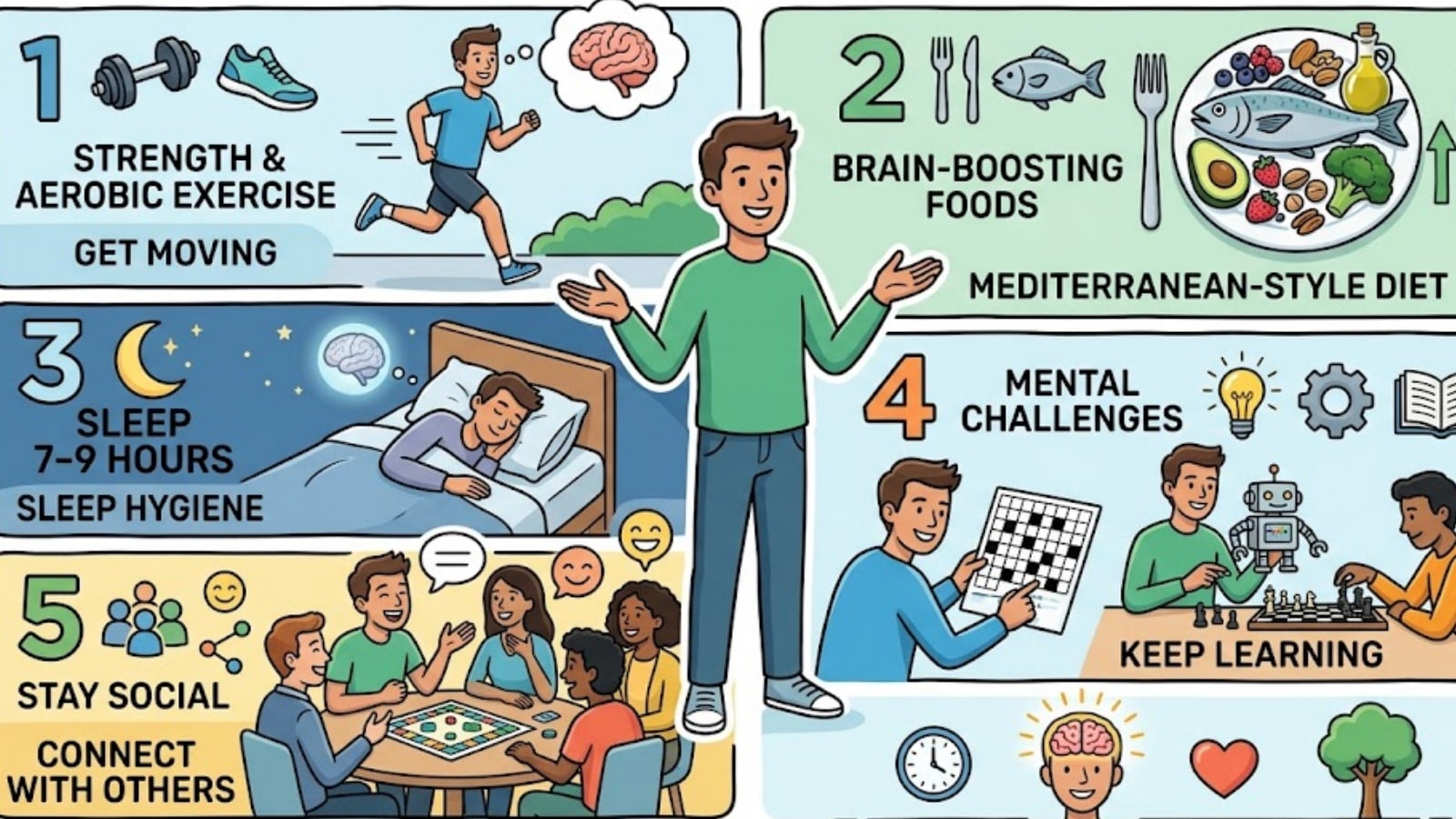
Exercise is often associated with heart health and weight management, but it is equally important for the brain. “Regular physical activity improves blood flow to the brain and supports memory, focus, and overall cognitive function,” explains Dr Swamy. “Even simple activities such as brisk walking for 30 minutes a day can provide long-term benefits for brain health.”
Prioritise quality sleep
“Sleep is when the brain performs some of its most important maintenance work,” says Dr Swamy. “It processes memories, repairs cells, and helps clear waste products that accumulate during the day.”
He recommends aiming for seven to nine hours of sleep every night. Consistently getting enough rest can improve concentration, learning ability, emotional regulation, and overall cognitive performance.
Eat a brain-friendly diet
What you eat can influence how well your brain functions both now and in the future. “A balanced diet rich in fruits, vegetables, whole grains, nuts, seeds, and healthy fats provides nutrients that protect brain cells from damage and inflammation,” says Dr Swamy.
Story continues below this ad
Nutrients such as omega-3 fatty acids, antioxidants, vitamins, and minerals play a key role in maintaining healthy neural pathways. According to Dr Swamy, good nutrition supports not only cognitive function but also overall physical health, which indirectly benefits the brain.
Nurture social connections
“Maintaining social connections through family, friends, and community activities helps keep the brain engaged,” says Dr Swamy. “Social interaction stimulates memory, communication skills, and emotional well-being.” Studies have linked strong social networks with better cognitive performance and a lower risk of cognitive decline. Meaningful conversations, group activities, and community participation can all help keep the brain active and responsive.
Keep learning and challenging your brain
“Mental stimulation is essential for maintaining brain health,” says Dr Swamy. “Reading, learning new skills, solving puzzles, picking up a hobby, or even learning a new language can strengthen neural connections.”
These activities help build what experts call “cognitive reserve”—the brain’s ability to adapt and compensate for age-related changes. According to Dr Swamy, people who regularly engage in mentally stimulating activities may be better equipped to cope with cognitive challenges later in life.
Story continues below this ad
The good news is that brain health is not determined by genetics alone. “Together, these habits play a significant role in maintaining a healthy brain,” says Dr Swamy. “While no single habit can completely prevent cognitive decline, practising them consistently can greatly improve brain resilience and support cognitive health throughout life.”
DISCLAIMER: This article is based on information from the public domain and/or the experts we spoke to. Always consult your health practitioner before starting any routine.

Leave a Reply