
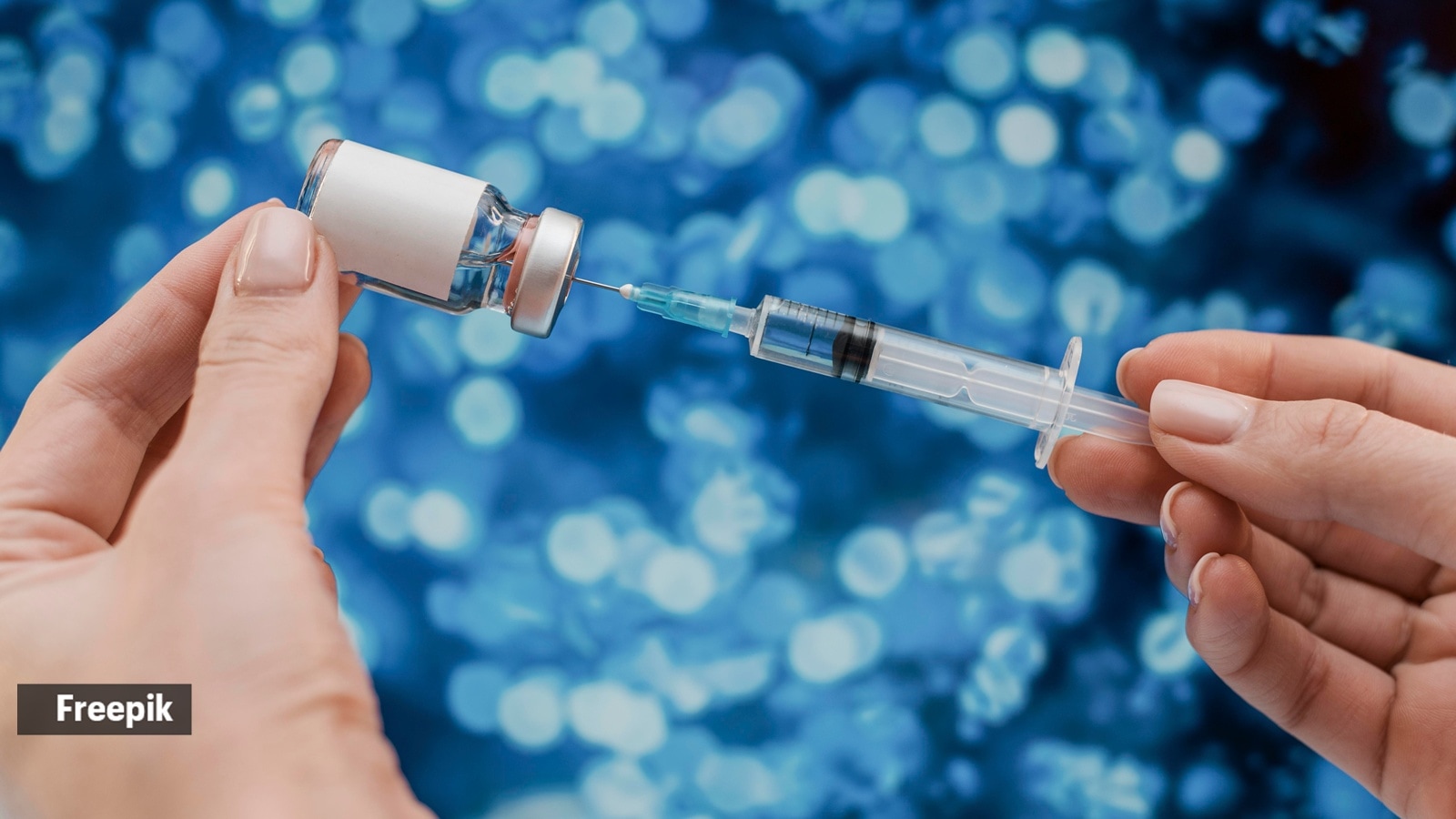
A probe into the recent deaths of five women following C-section deliveries at a government hospital in Rajasthan’s Kota has pointed out that fake oxytocin injections that contained only water were allegedly administered to the patients. Oxytocin, a critical drug, is administered post-delivery to control excessive bleeding. Considering its importance, we spoke to experts.
DISCLAIMER: This article is based on information from the public domain and/or the experts we spoke to. Always consult your health practitioner before starting any routine.
Oxytocin is a hormone and medication commonly administered after a caesarean section (C-section) to help the uterus contract effectively.
“It is a practice to give oxytocin during a C-section as these contractions are essential to reduce bleeding after childbirth and prevent postpartum haemorrhage, one of the leading causes of maternal mortality worldwide. It also stimulates breast milk production,” said Dr Swati Ajit Gaikwad, consultant, obstetrician and gynecologist, Motherhood Hospital, Kharadi, Pune.
 Here’s what you should note (Photo: Getty Images/Thinkstock)
During a normal vaginal birth, the body releases significant amounts of natural oxytocin in response to labour. However, during a C-section, especially under spinal or epidural anaesthesia, this natural hormonal response may not be sufficient. “As a result, synthetic oxytocin acts as a reliable substitute, helping the uterus contract strongly and consistently. It also aids in the separation and expulsion of the placenta, reducing the risk of complications after surgery,” explained Dr Richa Bharadwaj, consultant obstetrician and gynaecologist, Wockhardt Hospitals, Mumbai Central.
Following the delivery of a baby, the uterus needs to contract firmly to compress and seal the blood vessels that were supplying the placenta throughout pregnancy. These contractions are nature’s way of preventing excessive blood loss, Dr Bharadwaj added.
A simple way to understand its role is to think of the uterus as a natural pressure bandage. She said that after delivery, the blood vessels where the placenta was attached remain open. “Oxytocin causes the uterine muscles to tighten around these vessels, effectively reducing blood flow and preventing excessive bleeding. If the uterus remains relaxed or fails to contract adequately, blood loss can become rapid and severe, requiring emergency interventions, blood transfusions, or intensive care support,” said Dr Bharadwaj.
Story continues below this ad
When used correctly under medical supervision, oxytocin is considered safe and plays a critical role in protecting mothers during and after delivery, Dr Gaikwad asserted.
However, concerns arise when counterfeit, substandard, or improperly stored oxytocin products enter the healthcare system. “Fake or ineffective oxytocin may fail to produce adequate uterine contractions, increasing the risk of severe bleeding, shock, organ failure, and even death. So, strict drug quality control, proper storage conditions, reliable supply chains, and regulatory oversight will be important. Ensuring that only genuine, quality-assured medications are available in healthcare facilities is essential for safeguarding maternal health and preventing avoidable tragedies,” said Dr Gaikwad.
In obstetric care, oxytocin is not just another medication; it is considered a “critical, life-saving drug,” said Dr Bharadwaj. “Ensuring the quality, storage, and authenticity of every vial is essential because even a small failure can have serious consequences for maternal safety,” the doctor added.

Leave a Reply