
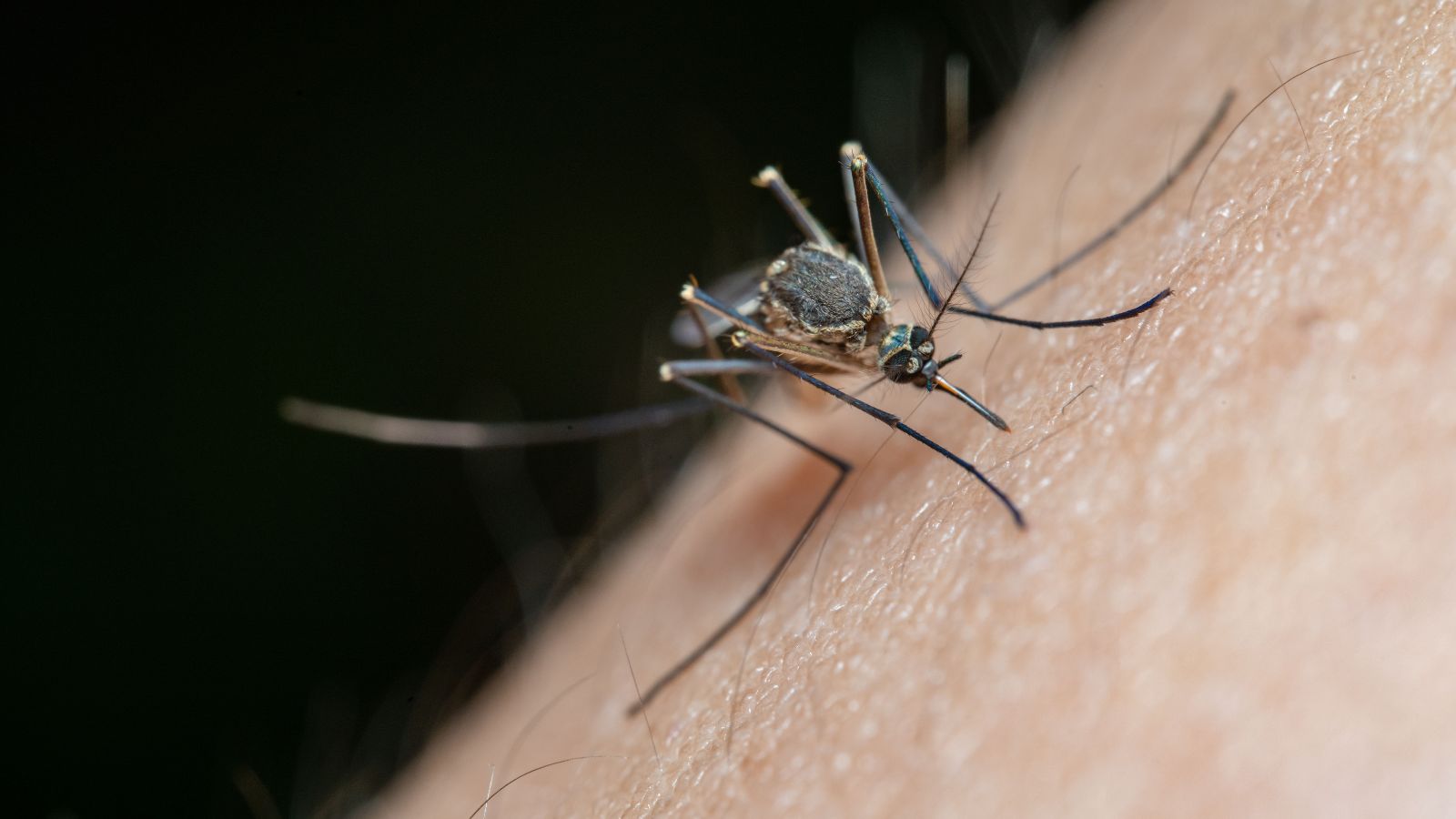
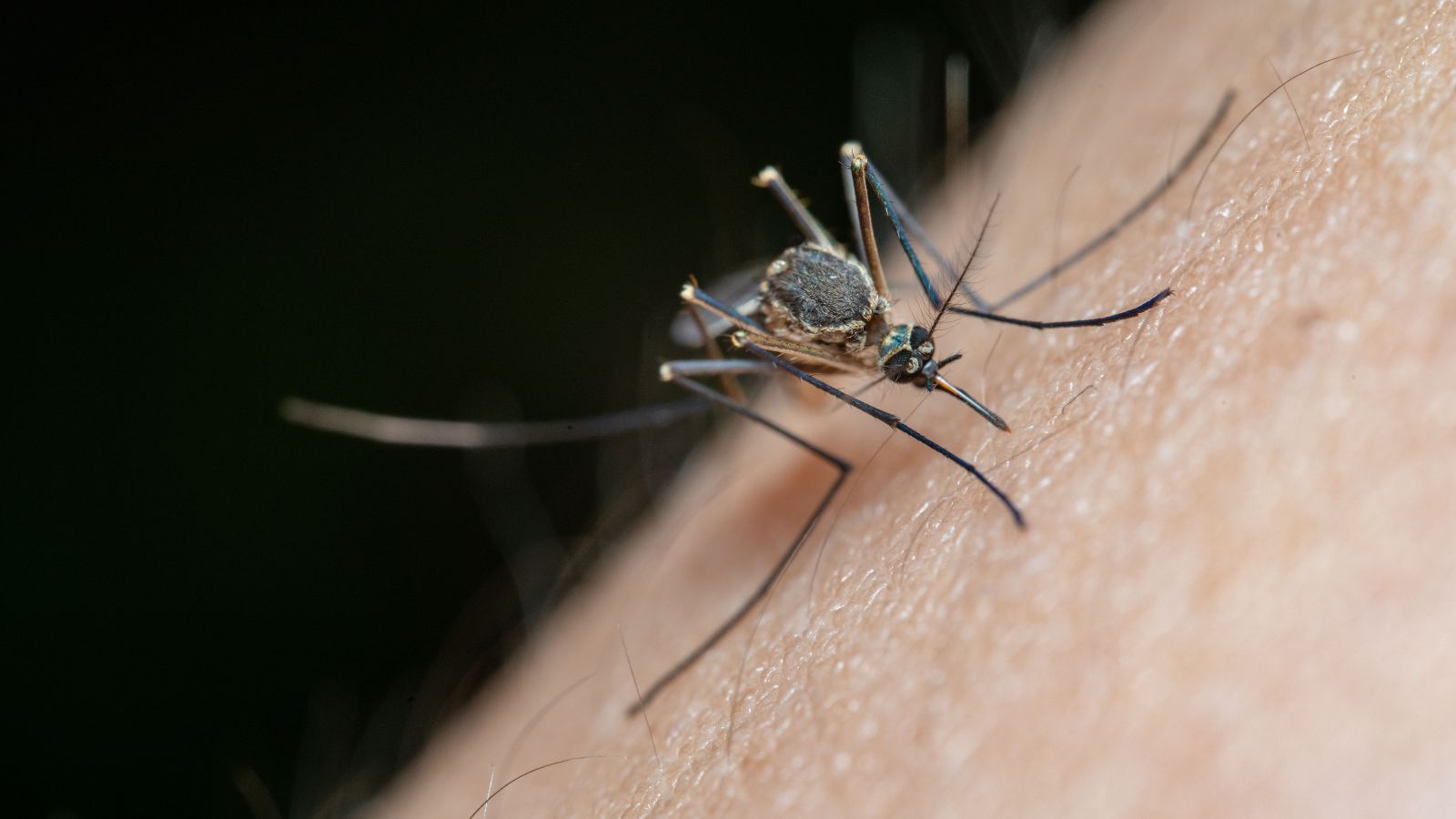
A new study has made shocking revelations about mosquitoes’ behaviour, stating that the insect can learn to associate the smell of DEET — the world’s most widely used repellent — with food. Researchers have found that mosquitoes can be attracted to the insect repellent, potentially reducing its effectiveness over time.
According to the United States Environmental Protection Agency, DEET, a chemical name, N, N-diethyl-meta-toluamide, is used to repel biting insects, including mosquitoes and ticks.
DISCLAIMER: This article is based on information from the public domain and/or the experts we spoke to. Always consult your health practitioner before starting any routine.
“DEET is designed for direct application to people’s skin to repel insects. Rather than killing them, DEET works by making it hard for these biting bugs to smell us. After it was developed by the U S Army in 1946, DEET was registered for use by the general public in 1957. Approximately 120 products containing DEET are currently registered with the EPA by about 30 different companies,” the official website of the United States Environmental Protection Agency reads.
However, the new study suggested that the repeated exposure to DEET under certain conditions could train mosquitoes to stop avoiding the chemical and, in some cases, even become attracted to it.
“If mosquitoes are repeatedly exposed to DEET, it becomes less effective as a repellent,” study coauthor Claudio Lazzari of the University of Tours, France, said in a statement, as reported by USA Today. He added that this raises concerns that, in some situations, the repellent could eventually attract biting insects rather than deter them.
The findings stated that mosquitoes may be capable of learning through association, a process similar to the famous experiments by Russian physiologist Ivan Pavlov, in which dogs learned to connect the sound of a bell with food.
Study coauthor Clément Vinauger, associate professor at Virginia Tech, explained that real-world use patterns may play an important role.
Story continues below this ad
“If someone applies DEET and the concentration fades over time, but a mosquito still manages to feed, the insect may begin associating that smell with a reward,” Vinauger said in a news release. “That’s a possibility we should take seriously when we think about how repellents are used in the real world.”
Lazzari further noted that if a mosquito bites a person several hours after DEET has been applied, when the concentration is no longer strong enough to repel but remains detectable, the insect may become more likely to be attracted by people carrying that scent in the future.
How was the study conducted?
Published in the Journal of Experimental Biology, the study was conducted through a collaboration between researchers at Virginia Tech and the University of Tours in France.
Scientists focused on the yellow fever mosquito, a species responsible for transmitting diseases including dengue fever, Zika, yellow fever and chikungunya. Collectively, mosquitoes are estimated to cause up to one million deaths annually, making them the deadliest animals globally, USA Today reported the findings.
Story continues below this ad
How mosquitoes may learn to ignore repellents
To test the theory, researchers used a conditioning experiment. Mosquitoes were placed behind fabric mesh with a warm blood source positioned just out of reach. As they attempted to feed, researchers introduced the smell of DEET.
After repeating the process four times, more than 60 per cent of the mosquitoes attempted to feed when exposed only to the fragrance of DEET. In another test, mosquitoes were given a choice between two human hands, one untreated and one sprayed with DEET at standard concentrations. Untrained mosquitoes avoided the DEET-treated hand, while trained mosquitoes were attracted to it.
Researchers observed similar behavioural changes when sugar, rather than blood, was used as the reward.
“The common assumption has always been that repellents work because of their chemistry — that DEET simply smells bad to mosquitoes and they flee or that its chemistry prevents mosquitoes from smelling us,” Vinauger said. The findings suggested that learning and experience may also shape how mosquitoes respond to repellents.
Story continues below this ad
Are these findings concerning?
Dr Aravinda S N, Lead Consultant – Internal Medicine, Aster RV Hospital, Bangalore, warned that these findings are concerning as DEET-based repellents are widely used. “These repellents are among those widely recommended to cut down the spread of vector-borne diseases like Dengue Fever, Malaria, Zika Virus Disease, and Chikungunya,” he said.
“Depending only on repellents may not be enough; there are other measures that are essential, like getting rid of stagnant water, using mosquito nets, and doing community-wide vector control, which together help prevent disease surges,” Dr Aravinda added.
Further, he shared other protective measures that people should combine with repellents. “People should put-on long-sleeved shirts and full-length trousers, plus light-colored clothing, particularly during the peak mosquito activity hours, when they seem most annoying. You can also install window screens, use mosquito nets while sleeping, and keep doors and windows shut, since that cuts down the indoor problem.
However, Dr Aravinda recommended getting rid of standing or still water in containers, flower pots, coolers, drains, etc. “Those spots often become a breeding ground, for example, where mosquitoes lay eggs and multiply. In places where mosquito-borne illnesses are more common, community-level vector control can matter too, such as larvicidal treatments or fogging, depending on what’s available,” he said.
Story continues below this ad
DISCLAIMER: This article is based on information from the public domain and/or the experts we spoke to. Always consult your health practitioner before starting any routine.

Leave a Reply