
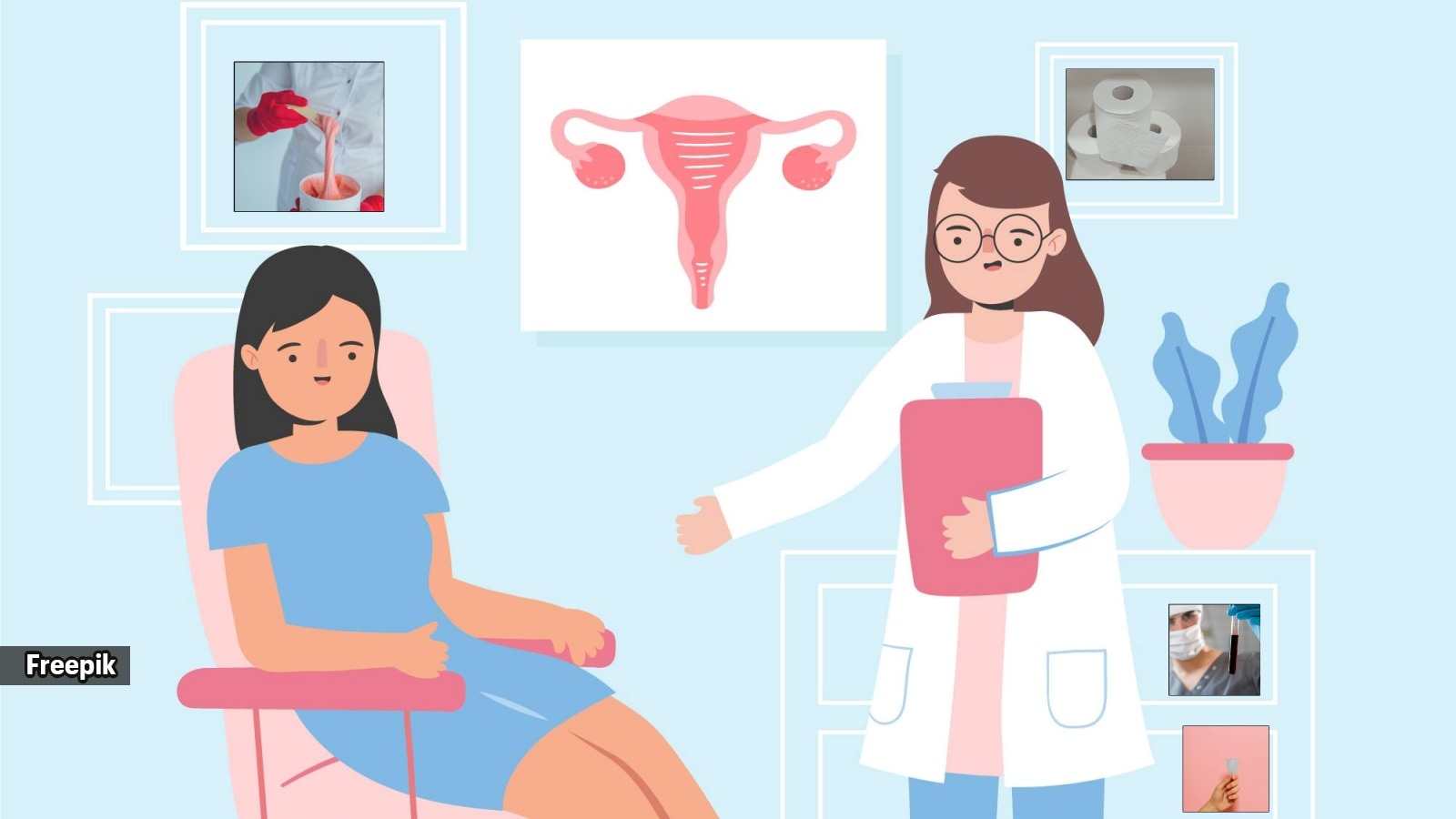
Women often grow up hearing that certain discomforts are just part of being a ‘woman’ — frequent fatigue, recurrent UTIs, irritation during periods, or discomfort “down there.” But are some of these things normalised when they actually should be red flags?
Gynaecologist Dr Unnati Pandya recently posted an Instagram reel sharing five habits she personally avoids as a woman, saying many everyday routines can quietly affect intimate health more than people realise.
“As a gynecologist, I see so many women normalize discomfort, infections, fatigue, and irritation… simply because ‘sab aise hi karte hai.’ But honestly, women’s health is often shaped by small daily habits,” she captioned her post.
We asked another expert to break down how medically sound these warnings are. Here’s what they have to say.
DISCLAIMER: This article is based on information from the public domain and/or the experts we spoke to. Always consult your health practitioner before starting any routine.
1. Wiping from back to front
This one gets a clear no from both. Dr Ruchi Srivastava (MBBS, MS, MAMS, FICOG, FMAS), Director – Obstetrics and Gynaecology, ShardaCare-Healthcity, says wiping in the wrong direction can increase the risk of infection.
“Wiping from back to front can transfer bacteria from the anal area to the vagina or urinary tract, increasing the risk of urinary infections and vaginal infections. The safer method is always wiping from front to back,” she tells indianexpress.com.
Story continues below this ad
This is because bacteria that naturally live near the rectal area can accidentally be introduced into more sensitive areas.
2. Wearing period products on for too long
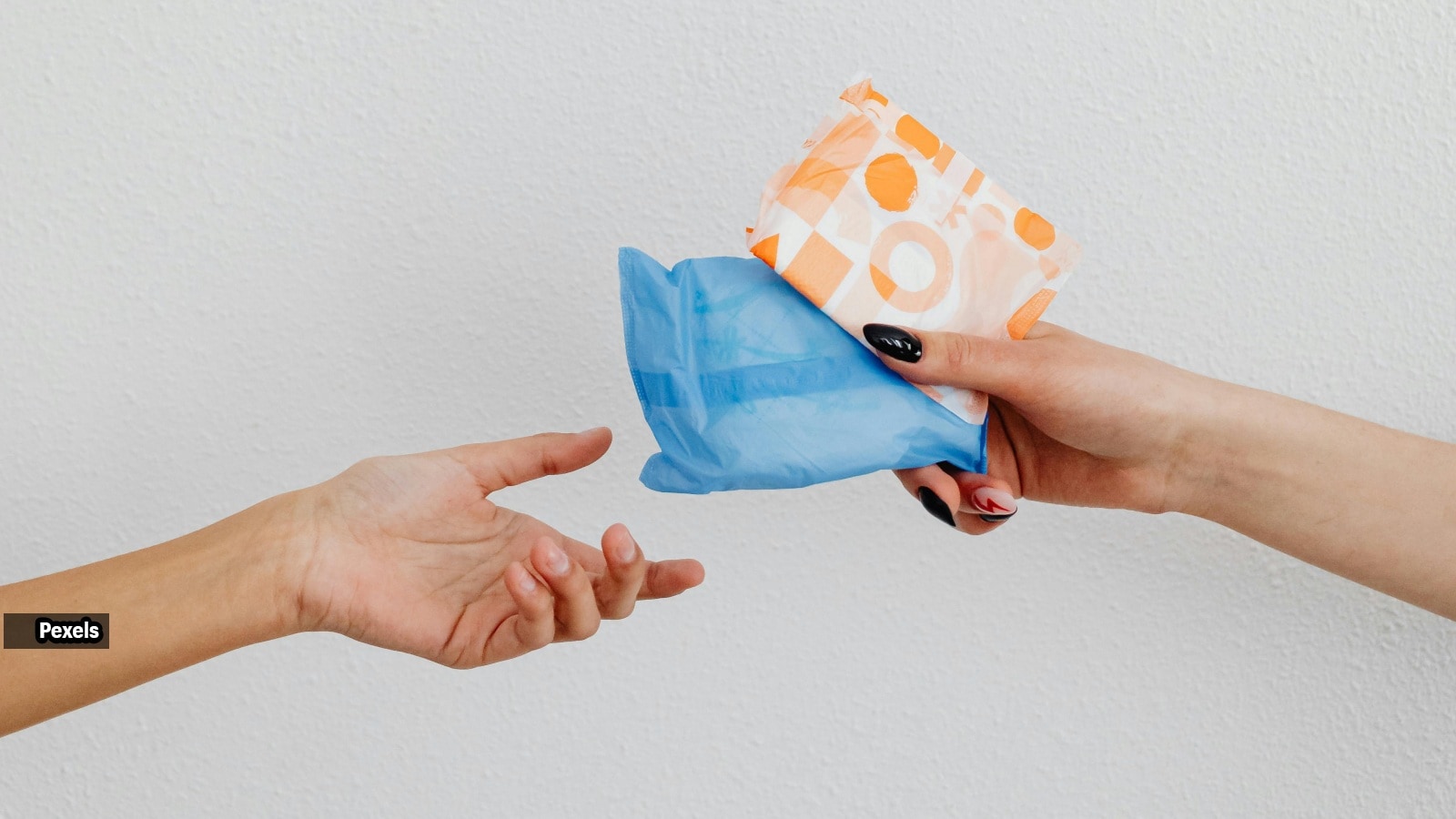 Keeping pads, tampons, or menstrual cups for too long can lead to toxic shock syndrome in extreme cases (Image: Pexels)
Whether it is pads, tampons, menstrual cups, or period panties, doctors say timely changing matters. According to Dr Pandya, pads should ideally be changed every 4–6 hours, tampons every 4–8 hours, while menstrual cups and period panties should not be worn endlessly either.
Dr Srivastava agrees. “Keeping pads, tampons, or menstrual cups for too long can increase moisture and bacterial growth, leading to irritation, bad odour, infections, and in rare cases, toxic shock syndrome,” she says.
3. Waxing pubic hair carelessly
Dr Pandya says she would rather trim or opt for laser hair reduction than frequent waxing. That does not mean waxing is automatically unsafe — but technique matters.
Story continues below this ad
“Frequent or improper waxing can sometimes cause small cuts, ingrown hair, skin irritation, or infections. People with sensitive skin may be more prone to these issues,” Dr Srivastava points out.
The issue is less about pubic hair removal itself and more about how safely it is done.
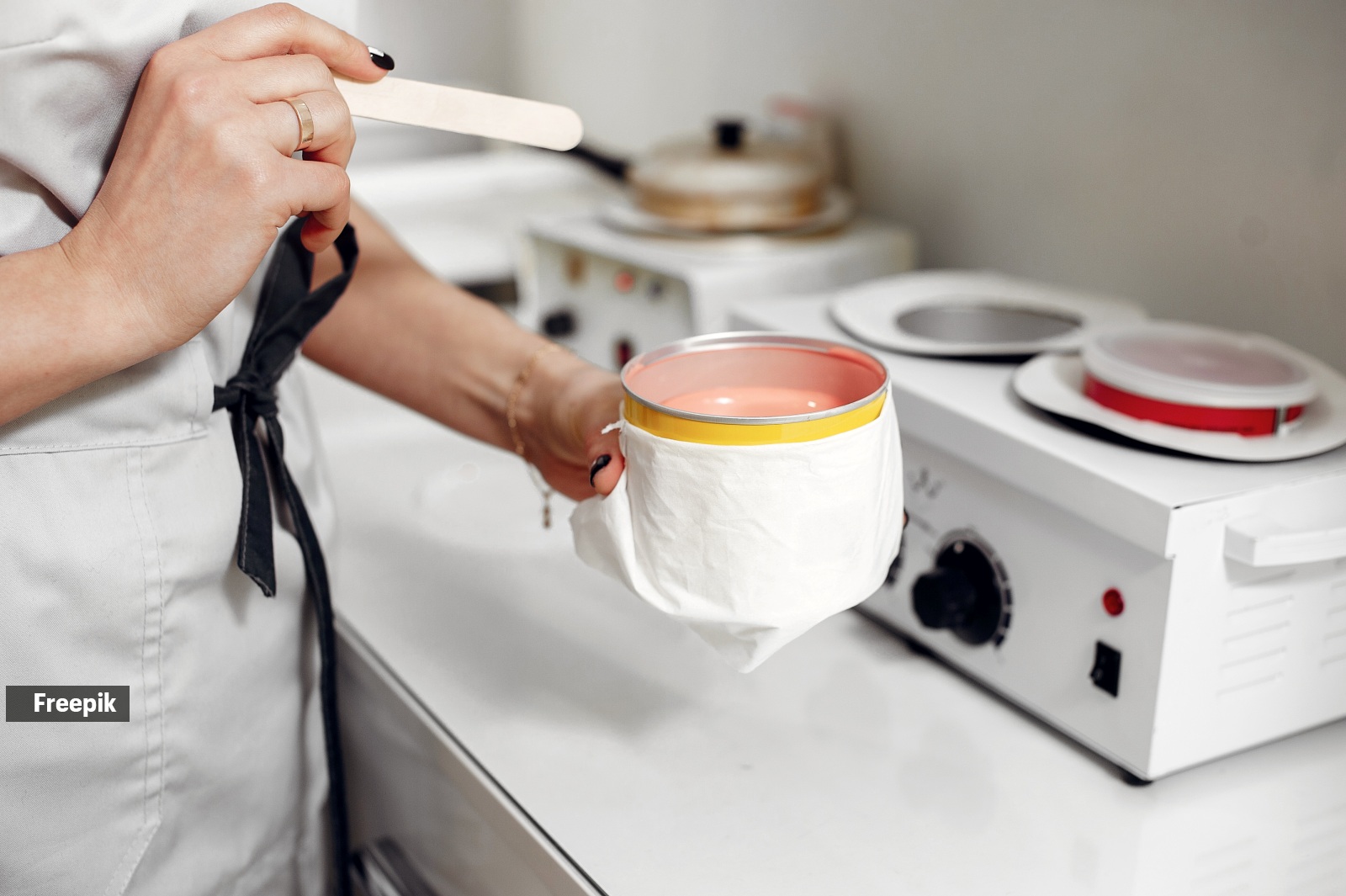 Frequent or improper waxing can sometimes cause small cuts, ingrown hair, skin irritation, or infections (Image: Freepik)
4. Using scented vaginal washes
This is one warning many gynaecologists repeat. Dr Pandya pointed out that the vagina is self-cleaning, and doctors agree that heavily fragranced products can do more harm than good.
“The vagina naturally maintains its own healthy balance of bacteria and pH. Strong fragrances or harsh products can disturb this balance and cause irritation, dryness, itching, or infections,” Dr Srivastava further weighs in.
Story continues below this ad
Plain water for the external area — or a mild unscented cleanser if advised — is usually enough.
5. Ignoring low iron levels
Feeling constantly tired is often brushed off, especially by women juggling work, periods, and daily responsibilities. But both the doctors caution against normalising low iron levels.
“Low iron levels should not be ignored, especially in women with heavy periods. Iron deficiency can lead to weakness, fatigue, dizziness, poor concentration, and anemia,” says Dr Srivastava. Regular health check-ups and a balanced diet can help identify and correct deficiencies before symptoms worsen.
Small habits may seem harmless, but over time, they can shape intimate and overall health far more than many realise. If you are a woman, don’t forget to keep the above five habits far from your to-do list!
DISCLAIMER: This article is based on information from the public domain and/or the experts we spoke to. Always consult your health practitioner before starting any routine.

Leave a Reply