
3 min readNew DelhiJun 1, 2026 06:00 AM IST
Even with AC on, many people may be struggling to sleep amid the rising heatwave. But why does this happen?
According to Dr Aniket Mule, consultant, internal medicine, KIMS Hospitals, Thane, people often think that turning on the air conditioner will solve sleep problems. “However, sleep is affected by more than just feeling cool. During heatwaves, the body is exposed to high temperatures for long periods during the day. This can impact hydration levels, stress hormones, the body’s temperature control, and overall comfort,” said Dr Mule.
DISCLAIMER: This article is based on information from the public domain and/or the experts we spoke to. Always consult your health practitioner before starting any routine.
For quality sleep, the body needs to lower its core temperature. “Heatwaves can interrupt this process. Even in an air-conditioned room, the body may need time to relax enough for sleep,” said Dr Mule.
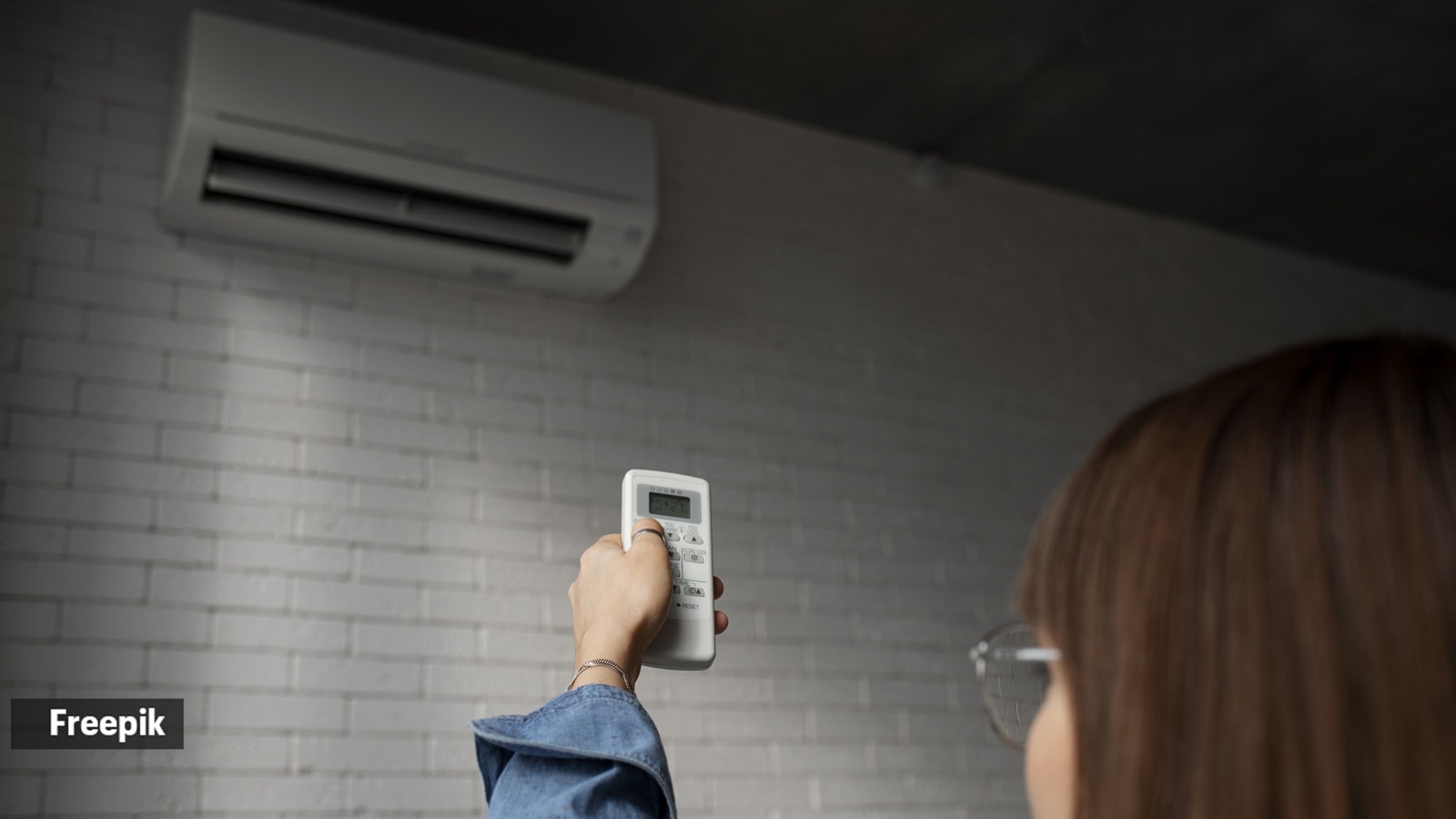
Dr Mule explained that very cold temperatures can be uncomfortable and disrupt sleep rather than help it. “Some people set their AC to very low temperatures, thinking colder is better, but too much cooling can make the body feel dry. It can also lead to nasal irritation, throat discomfort, muscle stiffness, or waking up repeatedly during the night.”
Dry air from long-term AC use can also cause dehydration, especially if people haven’t drunk enough fluids during the day.
 You sleep well when the body is comfortable (Photo: Pexels)
Are there other reasons behind poor sleep during heatwaves?
Story continues below this ad
Being exposed to heat during the day can leave people feeling exhausted but not relaxed. “Dehydration, headaches, fatigue, changes in appetite, and mild stress can hurt sleep quality. Some people also find they are more restless and wake up more often.”
What can people do to sleep better?
The focus should be on comfort, not extreme cooling. “Keeping the AC at a moderate temperature, staying well-hydrated throughout the day, avoiding heavy meals close to bedtime, and keeping a regular sleep schedule can help. Good sleep involves more than just cooling the room; it’s also about giving the body enough time and the right conditions to wind down,” said Dr Mule.
DISCLAIMER: This article is based on information from the public domain and/or the experts we spoke to. Always consult your health practitioner before starting any routine.

Leave a Reply