
4 min readNew DelhiMay 30, 2026 01:58 PM IST
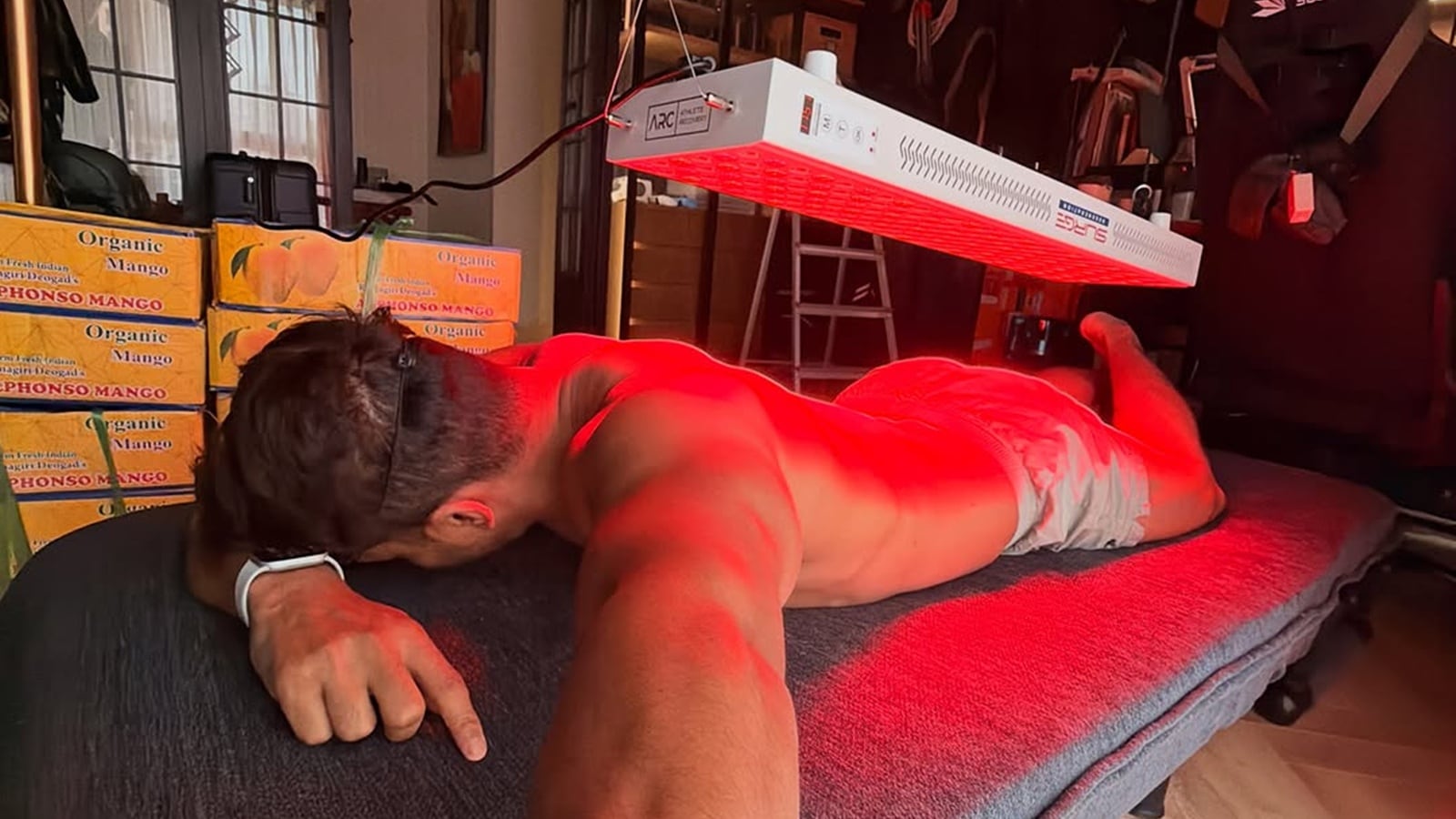
Harshvardhan Rane, dedicated to his fitness routine, shared 3 important things to build muscle. Taking to Instagram, he mentioned in the caption of his post:
1. Kasrat
2. Khaana
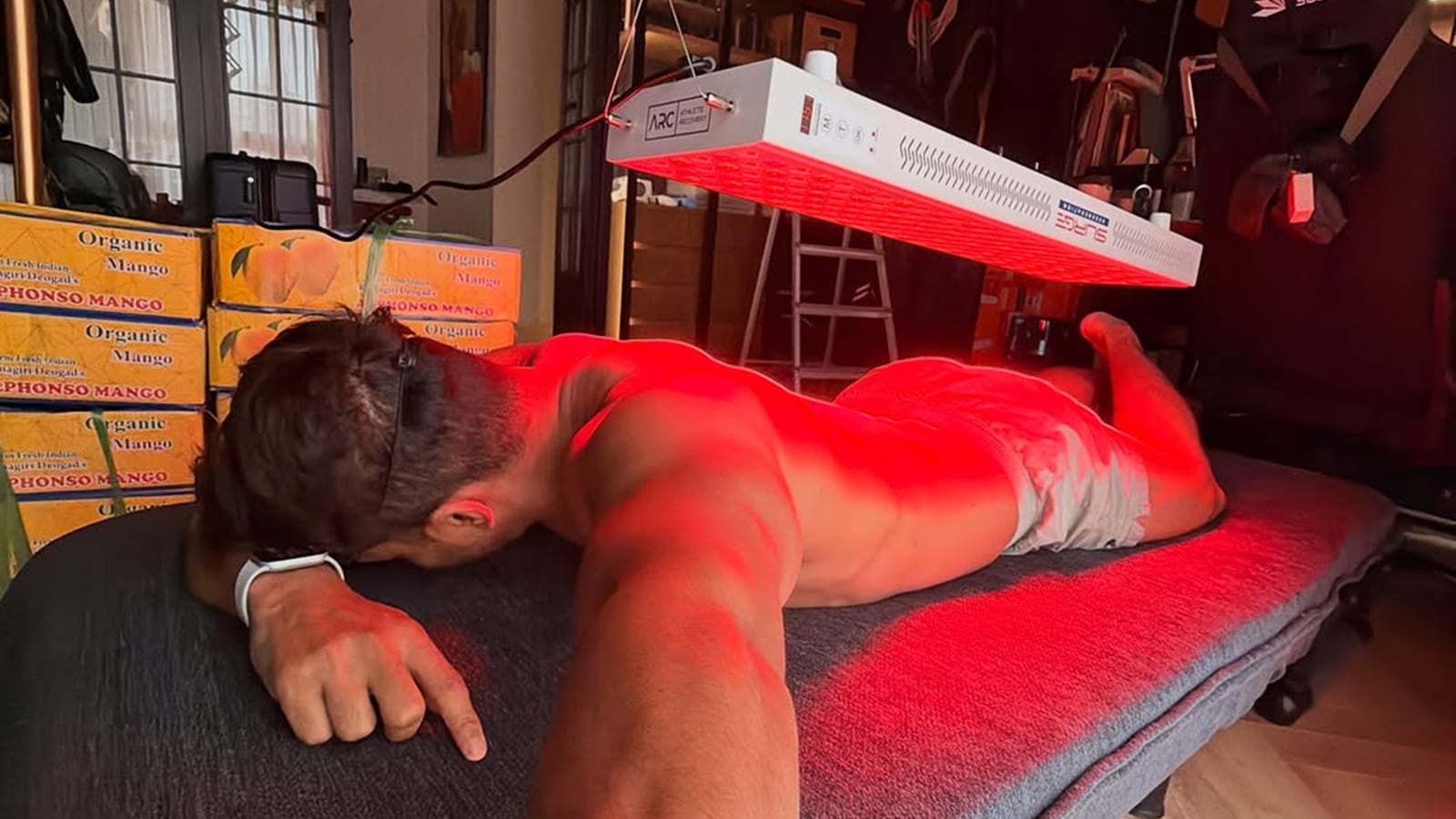
3. Recovery (red light)
… mangoes choona bhi allowed nahi hai 🥭,” underneath which, fellow actor Sonam Bajwa jokingly replied, “I did kasrat, khaana, recovery and had 3 mangos too 🙊”.
DISCLAIMER: This article is based on information from the public domain and/or the experts we spoke to. Always consult your health practitioner before starting any routine.
Can mangoes come in the way of building muscles?
Edwina Raj, Head of Services – Clinical Nutrition & Dietetics, Aster CMI Hospital, Bangalore, says that mangoes can be included in a muscle-building diet, but only when eaten in the right quantity. “Mangoes are a good source of natural carbohydrates, which help provide energy for workouts and help refill muscle glycogen after exercise. They also contain vitamins such as vitamin C, vitamin A, and antioxidants that support recovery, immunity, and overall health,” she tells indianexpress.com.
For people trying to build muscle, Raj says the body needs enough calories, protein, and carbohydrates. Mangoes can help meet the carbohydrate requirement, especially before or after workouts.
According to her, eating mangoes after exercise along with a protein source like milk, curd, whey protein, or nuts can support muscle recovery and growth.
However, she also shares a word of caution, stating that mangoes alone do not build muscle. Muscle growth mainly depends on proper strength training, enough protein intake, good sleep, and overall nutrition.
Story continues below this ad
How does red light therapy help?
Dr Shweta Nakhawa, Consultant Dermatologist at KIMS Hospitals, Thane explains that red light therapy, also called low-level light therapy, uses specific wavelengths of red and near-infrared light to stimulate cellular activity, and has credible scientific backing when used correctly and in appropriate settings.
Unlike UV light, red light does not damage the skin. Instead, it penetrates the surface at a controlled depth and targets cells beneath. Explaining how it works, Dr Nakhawa says that red light penetrates the skin and reaches the mitochondria — the energy-producing units of our cells. It increases ATP production, which enhances cellular repair and regeneration.
In simpler terms, she says that cells function more efficiently. And for skin, this can translate into improved collagen production, reduced inflammation, and better texture over time,” she says.
What about recovery?
Dr Nakhawa says that red light therapy is also used for cardiovascular health, elevating mood, relieving anxiety, improving muscle performance and recovery from sports injuries, besides providing anti-aging benefits to the skin.
“In controlled clinical settings, sessions typically range from 10 to 30 minutes,” she says, provided medical-grade devices are calibrated for safety.
Story continues below this ad
However, she warns against overuse. “Prolonged or unsupervised exposure with high-intensity devices may cause dryness, mild irritation or headaches in some individuals. Consistency is more important than duration,” says Dr Nakhawa, further recommending professional guidance, especially when starting out.

Leave a Reply