
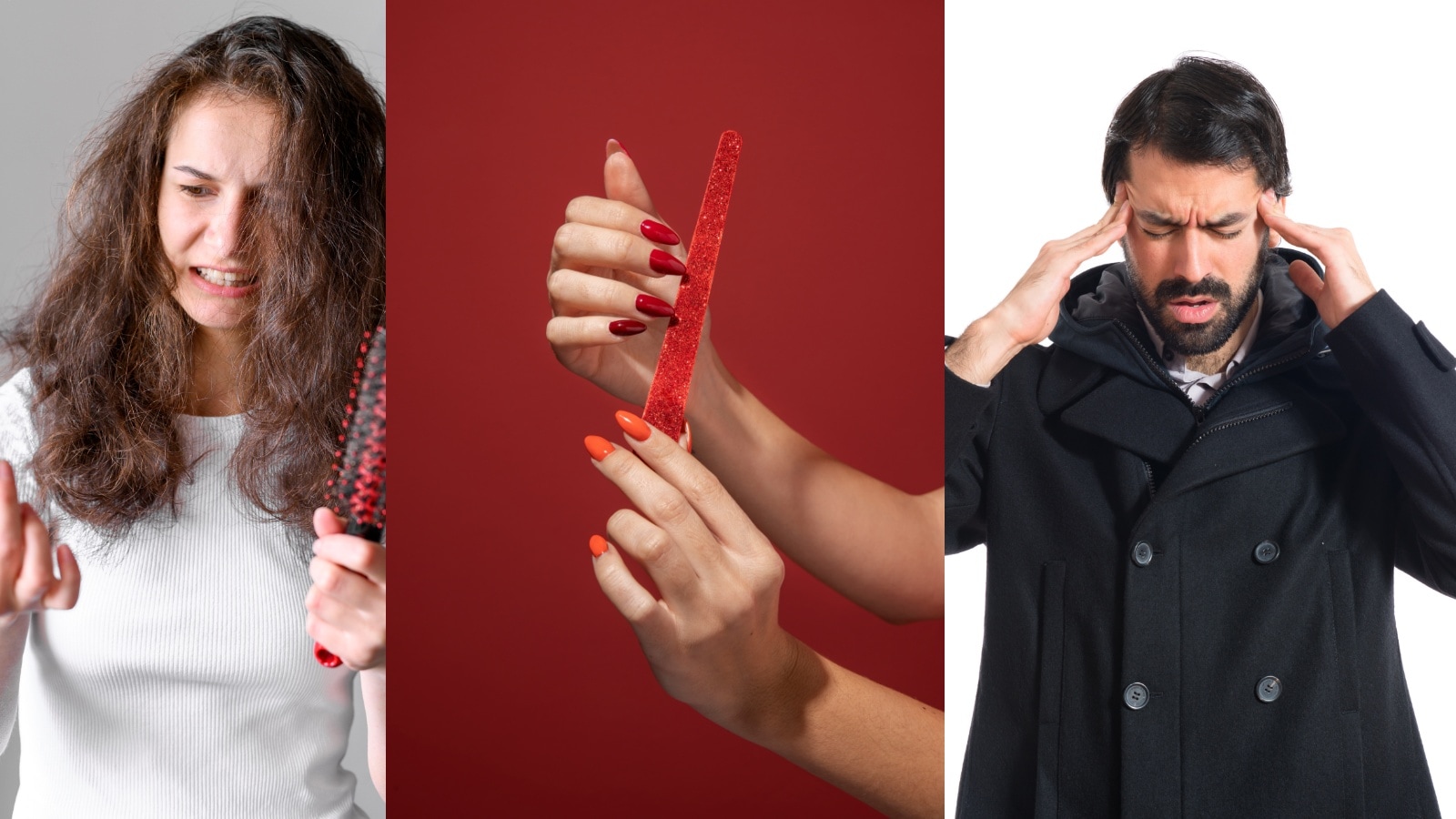
Iron deficiency is one of the most common nutritional deficiencies, yet it often goes unnoticed in its early stages. A ferritin level below 15 ng/mL is generally considered a clear indicator of iron deficiency. However, if symptoms are present, ferritin levels below 30 ng/mL may also suggest iron deficiency, depending on the individual’s overall health and clinical context. According to Dr Aravinda S N, Lead Consultant – Internal Medicine, Aster RV Hospital, the initial symptoms are usually “very mild” and often dismissed as stress, poor sleep, or the pressures of daily life. This delay in recognition often allows the deficiency to worsen before medical help is sought.
DISCLAIMER: This article is based on information from the public domain and/or the experts we spoke to. Always consult your health practitioner before starting any routine.
Here are some of the early signs of iron deficiency that most people ignore, according to him.
1. Persistent fatigue: One of the earliest and most common symptoms is constant tiredness that does not improve with rest. Low iron reduces the blood’s ability to carry oxygen, leaving the body feeling exhausted even after adequate sleep.
2. Frequent headaches and dizziness: Iron deficiency can cause reduced oxygen supply to the brain, leading to recurring headaches, light-headedness, or a feeling of imbalance, especially when standing up suddenly.
3. Pale skin, gums, or inner eyelids: Low haemoglobin levels often make the skin appear unusually pale. This change is most noticeable in the gums, lips, nail beds, or the inner lower eyelids.
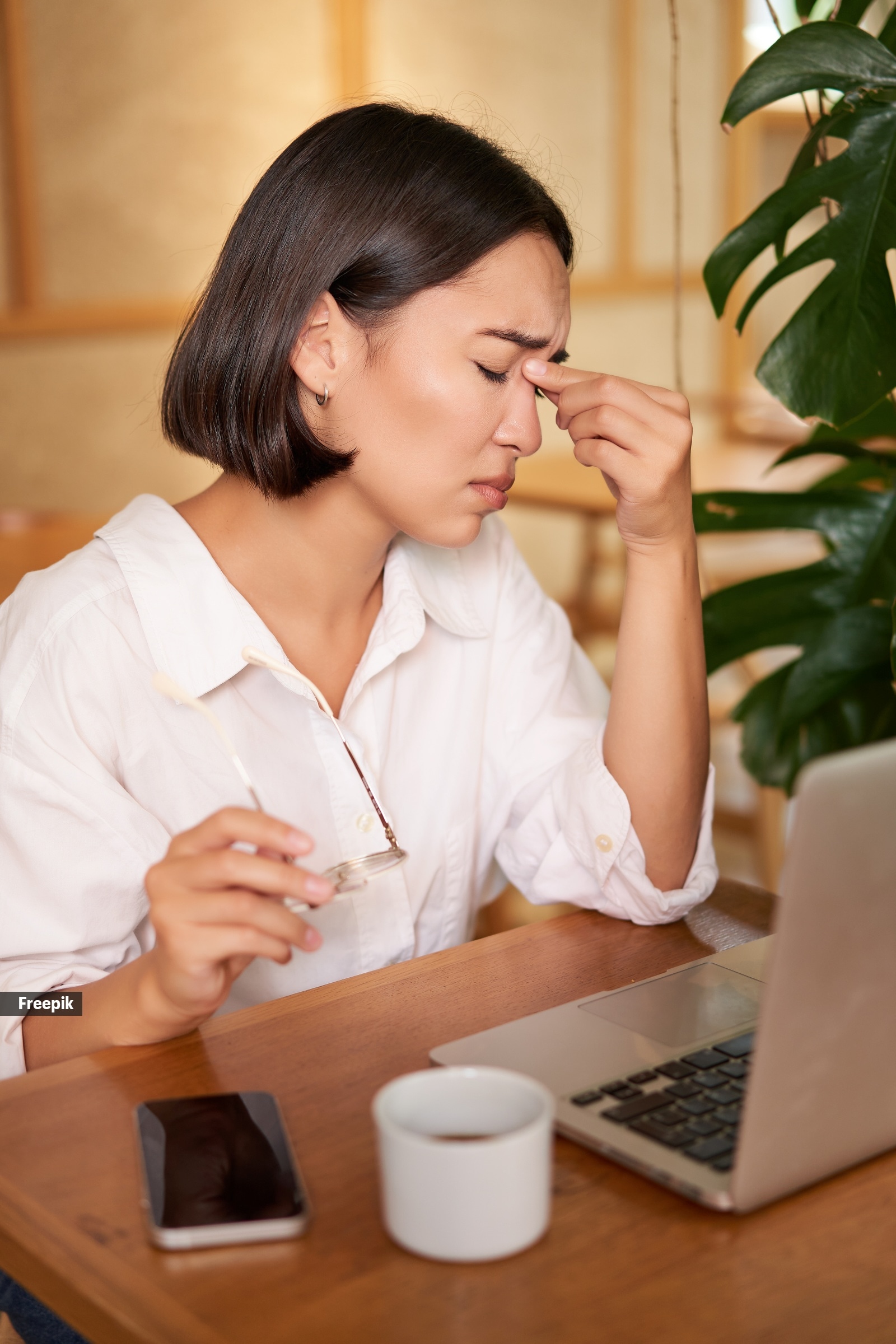 Working woman feeling tired, rubbing eyes after using laptop, having fatigue, sitting in cafe with coffee.
4. Shortness of breath during mild activity: Feeling breathless while climbing stairs or walking short distances may indicate iron deficiency. The heart and lungs work harder to compensate for low oxygen levels in the blood.
Story continues below this ad
5. Cold hands and feet: Poor oxygen delivery and circulation can make the extremities feel persistently cold, even in warm environments.
6. Hair loss and thinning: Iron is essential for healthy hair growth. A deficiency can weaken hair follicles, leading to excessive hair fall or noticeable thinning over time.
7. Brittle or spoon-shaped nails: Weak, easily breakable nails or nails that curve upward in a spoon-like shape are classic but often overlooked signs of iron deficiency.
Story continues below this ad
8. Poor concentration and irritability: Low oxygen levels in the nervous system can affect brain function, causing difficulty concentrating, forgetfulness, irritability, and mood changes.
9. Craving non-food items (pica): An unusual urge to chew ice, clay, or chalk is a well-known but frequently ignored symptom strongly linked to iron deficiency.
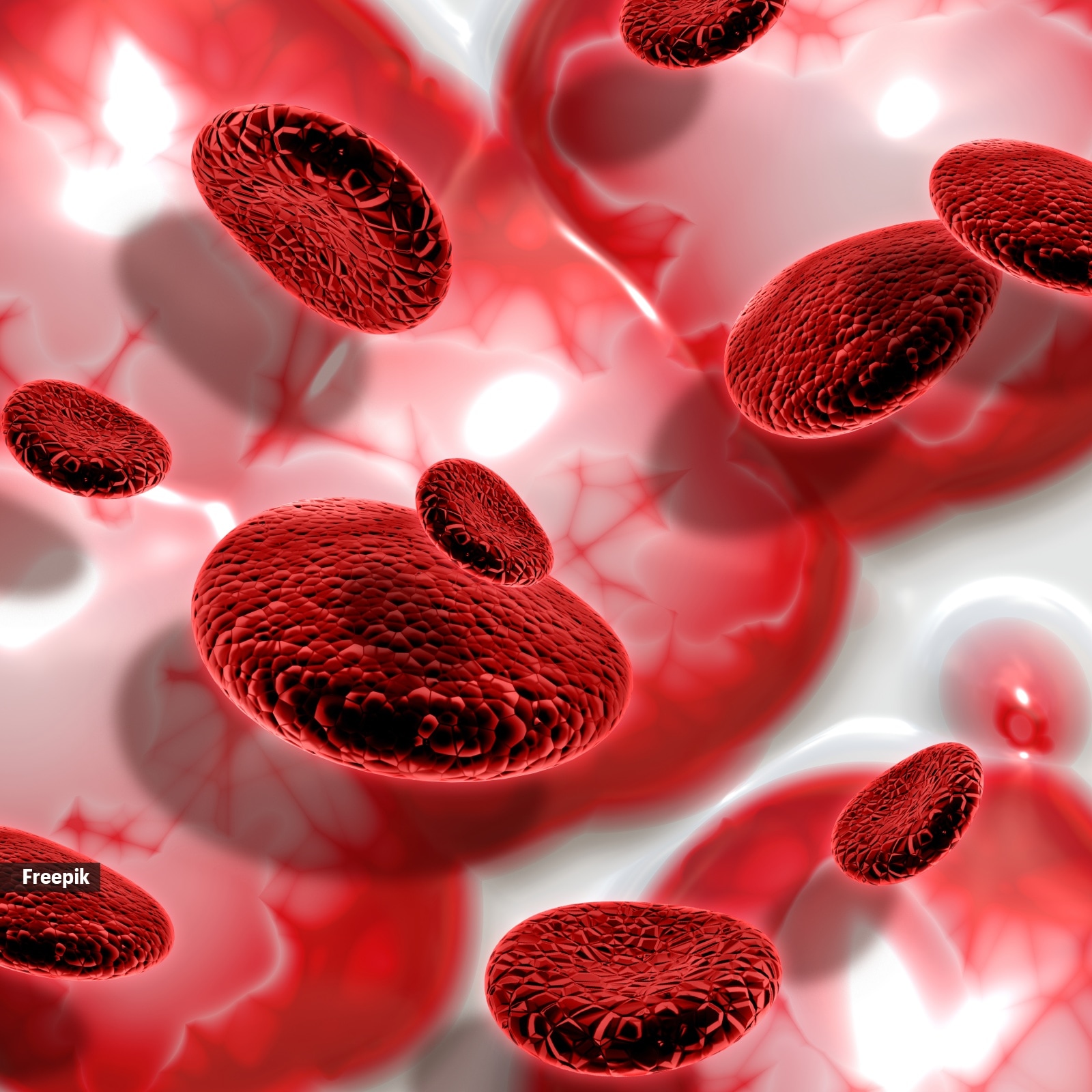 Hemoglobin levels in the blood below 12 g/dL in females and 13 g/dL in males are diagnostic for iron-deficiency anemia (Image: Freepik)
How is iron deficiency diagnosed?
“The diagnosis of iron deficiency is made through easing the clinical assessment and performing blood tests. The physicians start the process by looking into the symptoms, and these include among others–fatigue, weakness, hair loss and shortness of breath,” Dr Aravinda tells indianexpress.com. He also points out that the patient’s eating habits, menstrual history and any chronic blood loss. A complete blood count (CBC) may show low hemoglobin and smaller red blood cells. The most important test is serum ferritin, which reflects the body’s iron stores. Additional tests like serum iron, TIBC, and transferrin saturation may help confirm the diagnosis and identify the cause.
How to take care of body after iron deficiency?
Managing iron deficiency requires a combination of dietary changes, medical treatment, and lifestyle adjustments. Consuming iron-rich foods such as spinach, lentils, beans, dates, eggs, and red meat is essential. Pairing these foods with vitamin C helps improve iron absorption.
Story continues below this ad
Iron supplements should be taken only under medical guidance. Tea and coffee should be avoided around meal times, as they interfere with iron absorption. Adequate rest, reduced physical strain, and proper sleep are important while the body recovers. Equally crucial is treating the underlying cause, whether it is heavy menstrual bleeding, poor dietary intake, or absorption issues. Regular blood tests and follow-up consultations ensure recovery is on track and help prevent recurrence.
DISCLAIMER: This article is based on information from the public domain and/or the experts we spoke to. Always consult your health practitioner before starting any routine.

Leave a Reply