
4 min readNew DelhiMay 18, 2026 09:00 PM IST
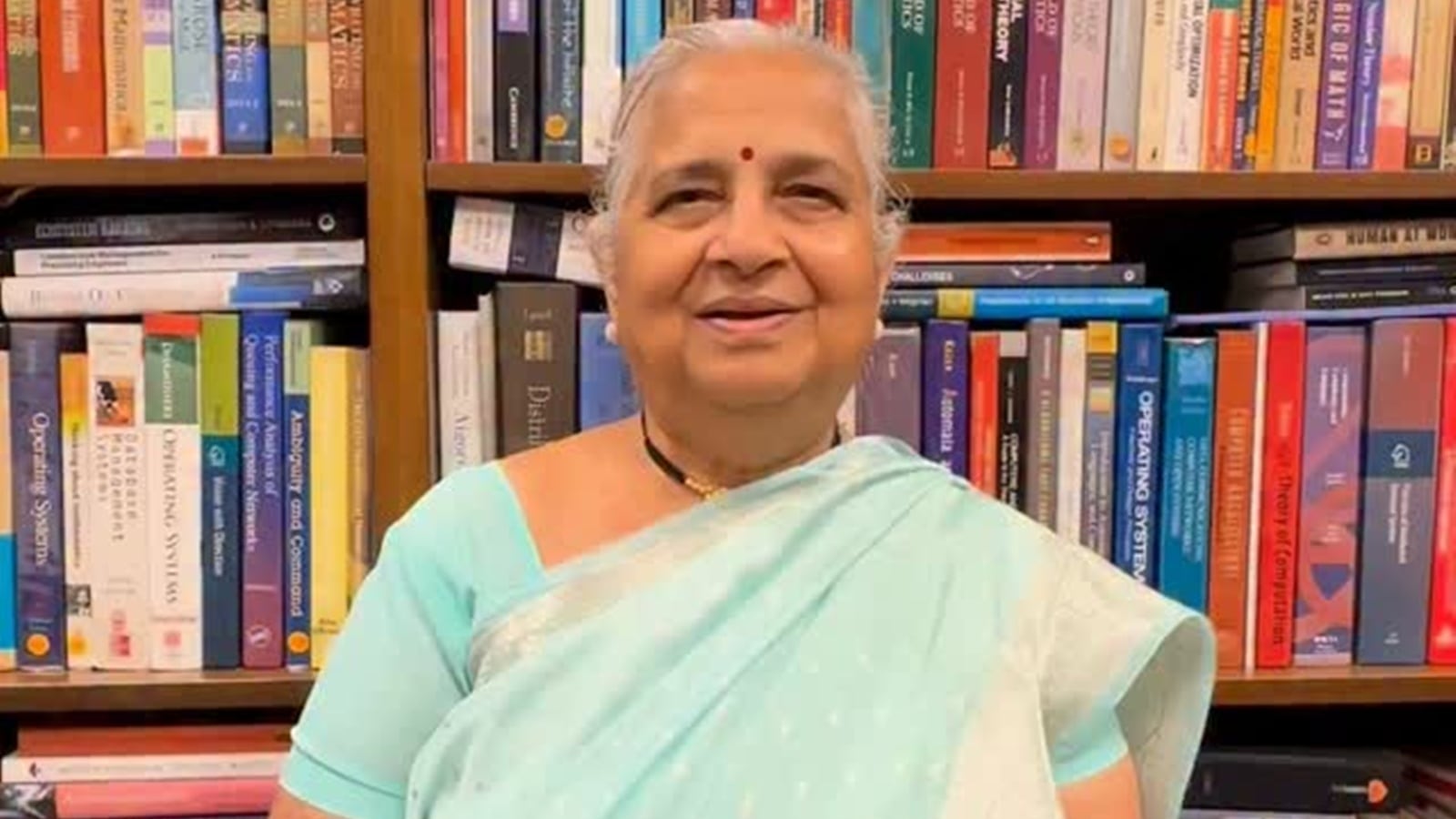
Sudha Murty’s candid reflections on menopause bring attention to a phase that is often misunderstood, minimised, or quietly endured. Speaking about her own experience in an old interview with Shaili Chopra, she recalled an emotional moment: “I got menopause, both my children were out, and suddenly one day I remembered them and I cried, and I thought, ‘Why did I cry? When they left for the US to study, I did not cry. Why am I crying?’ Then I sat for two minutes and took a deep breath. I said, ‘Oh, this is because of menopause. I’m crying (sic).’”
She also emphasised that menopause is not just about emotional shifts but involves significant physical changes that can affect day-to-day functioning. “We usually underestimate what it does to the body physically. It’s a very quick decline, in a few years of perimenopause. And women have very violent symptoms that are very difficult to function through because of lack of sleep, which I had, which was really quite bad. But lots of women have hot flushes, weight gain and actual physical fatigue. Depression is one of those things that I think we are now acknowledging and trying to kind of be more mindful of when people are going through it. I don’t think we’ve all found our way. Everyone’s, you know, sort of recommending all kinds of remedies.” She further added, “Yeah, but I think physically it’s quite debilitating for many, many women (sic).”
DISCLAIMER: This article is based on information from the public domain and/or the experts we spoke to. Always consult your health practitioner before starting any routine.
Beyond the physical and emotional toll, she pointed to the social stigma that still surrounds menopause. “
Shaming menopause is another thing I hear a lot of women do… Someone once told me, ‘When you attain menopause, you start looking older.’ I said, ‘Okay, so?’ Most women, I think, don’t talk about menopause because they fear they’ll look older. I mean, I think looking older is beautiful.”
Expert on sudden emotional shifts
Counselling psychologist Athul Raj tells indianexpress.com, “Perimenopause can feel emotionally unsettling because the body suddenly stops responding in familiar ways. Hormonal fluctuations affect sleep, mood stability, stress tolerance, and emotional regulation. I often see women feeling confused by the intensity of their own emotions. Something completely ordinary, an old memory, a child moving away, even a quiet evening, can suddenly trigger tears. Not because they are emotionally fragile, but because this phase often brings long-ignored exhaustion to the surface.”
He highlights that a lot of Indian women reach menopause already emotionally overextended. They are used to staying functional no matter what they are carrying internally. So when emotional changes begin showing up, many feel guilty or ashamed instead of recognising they need support. “Help should be sought when sadness, anxiety, panic, sleep disturbance, irritability, or emotional withdrawal begin affecting daily life, relationships, or work. Women should not have to completely burn out before asking for help.”
Most common but often overlooked physical and mental symptoms of menopause
The symptoms women struggle with most are often the ones nobody talks about openly. Beyond hot flashes, Raj states, there is brain fog, body pain, unexplained anger, forgetfulness, anxiety, emotional numbness, and fatigue that does not improve with rest. “Many women tell me they no longer feel emotionally steady in the way they once did. That can feel frightening, especially for women who are used to being dependable for everybody else.”
Story continues below this ad
He mentions, “Sleep disturbance quietly becomes one of the biggest emotional triggers during menopause. Once sleep is affected, women often notice they are crying more easily, losing patience faster, or struggling to concentrate throughout the day. Most women benefit more from small, consistent changes than from completely overhauling their lives. Regular sleep timings, physical movement, balanced meals, emotional support, and reducing constant over-functioning can make a real difference. Therapy also helps many women finally acknowledge how emotionally neglected they have felt for years.”
DISCLAIMER: This article is based on information from the public domain and/or the experts we spoke to. Always consult your health practitioner before starting any routine.

Leave a Reply