
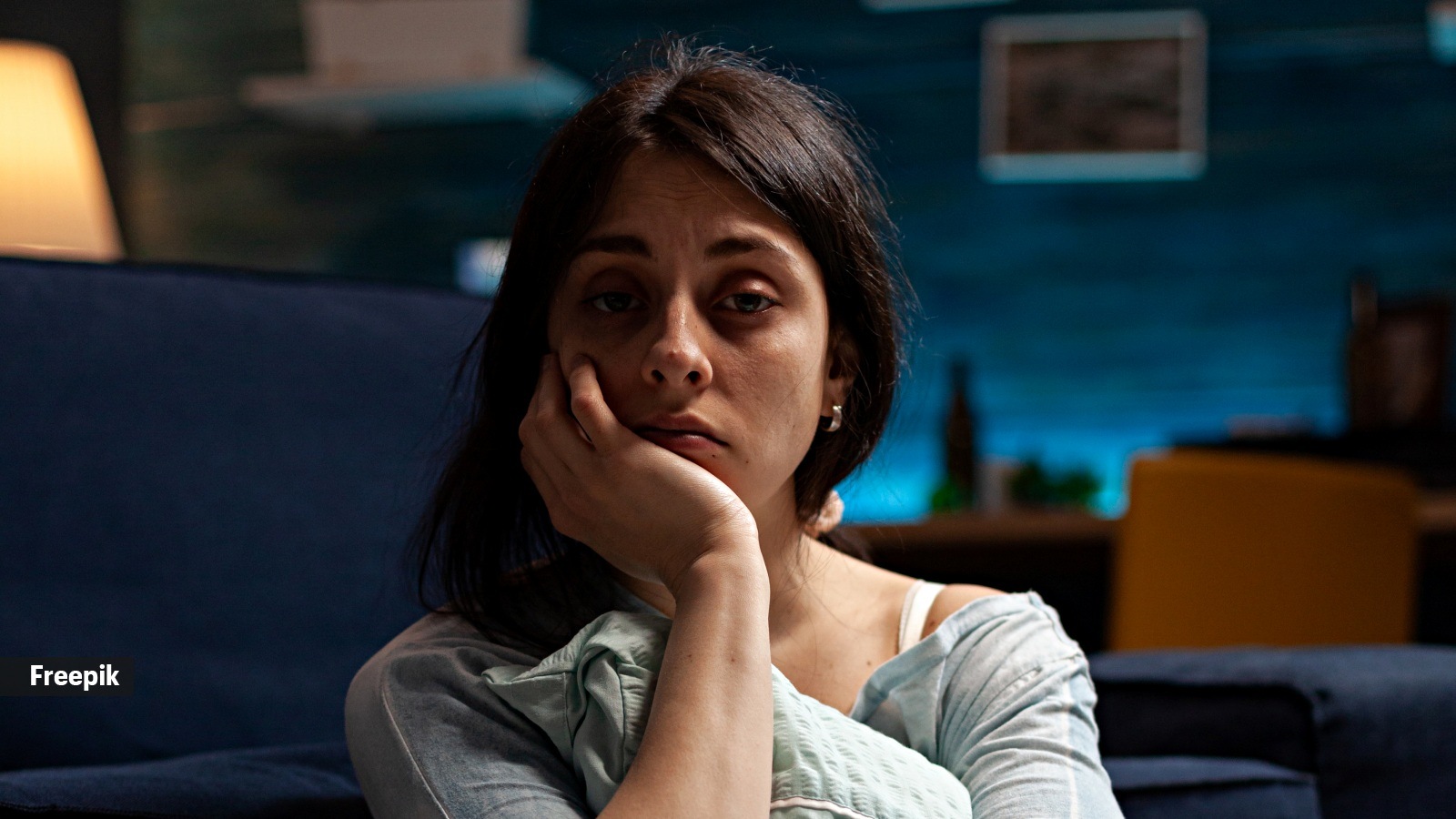
After a few late nights, most people expect dark circles or constant yawning. But sleep deprivation can show up in far stranger ways — from suddenly craving junk food to becoming so mentally exhausted that you may agree to something you never did.
These signs are not just “being tired”; they can be the body’s warning system that sleep debt is starting to affect the brain, hormones, immunity and even heart health.
“People often do not know that symptoms like headaches, mood changes, tiredness, waking up several times at night or even an increase in craving for junk food are indicators that the body may not be getting good sleep,” Dr Aseem Dhall, Director & HOD, Cardiac Sciences, ISIC Multispeciality Hospital, tells indianexpress.com.
Here are a few unexpected sleep-deprivation side effects, that might surprise you!
DISCLAIMER: This article is based on information from the public domain and/or the experts we spoke to. Always consult your health practitioner before starting any routine.
ADHD-like symptoms
Sleep deprivation can sometimes mimic attention disorders. According to sleep experts, conditions such as obstructive sleep apnea may worsen problems with concentration, focus and impulsivity — symptoms commonly associated with ADHD.
People whose internal body clocks are naturally delayed may also struggle to fall asleep early. If work or school forces them to wake up too soon, chronic sleep deprivation can build up over time.
Story continues below this ad
2. Constant junk food cravings
 Sleep deprivation can lead to an increase in craving for junk food (Image: Unsplash)
That sudden urge to eat chips, sweets or ice cream after a poor night’s sleep may have more to do with hormones than self-control.
Sleep deprivation disrupts ghrelin — the hormone that increases hunger — and leptin, which signals fullness. It can also push the brain’s reward system toward high-calorie comfort foods.
Dr Dhall added that long-term under-sleeping may also increase the risk of obesity and diabetes because of its effects on stress hormones and metabolism.
3. Feeling unusually emotional
If you find yourself snapping at loved ones or crying more easily after poor sleep, there may be a neurological reason behind it.
Story continues below this ad
Studies have shown that sleep deprivation can make the amygdala — the brain’s emotional centre — react far more strongly to negative experiences, while weakening the parts of the brain that help regulate emotions.
“Sleep also helps with emotional control,” said Dr Dhall. “Deprived sleepers could be more emotionally reactive and mentally tired.”
4. Confessing to something you didn’t do
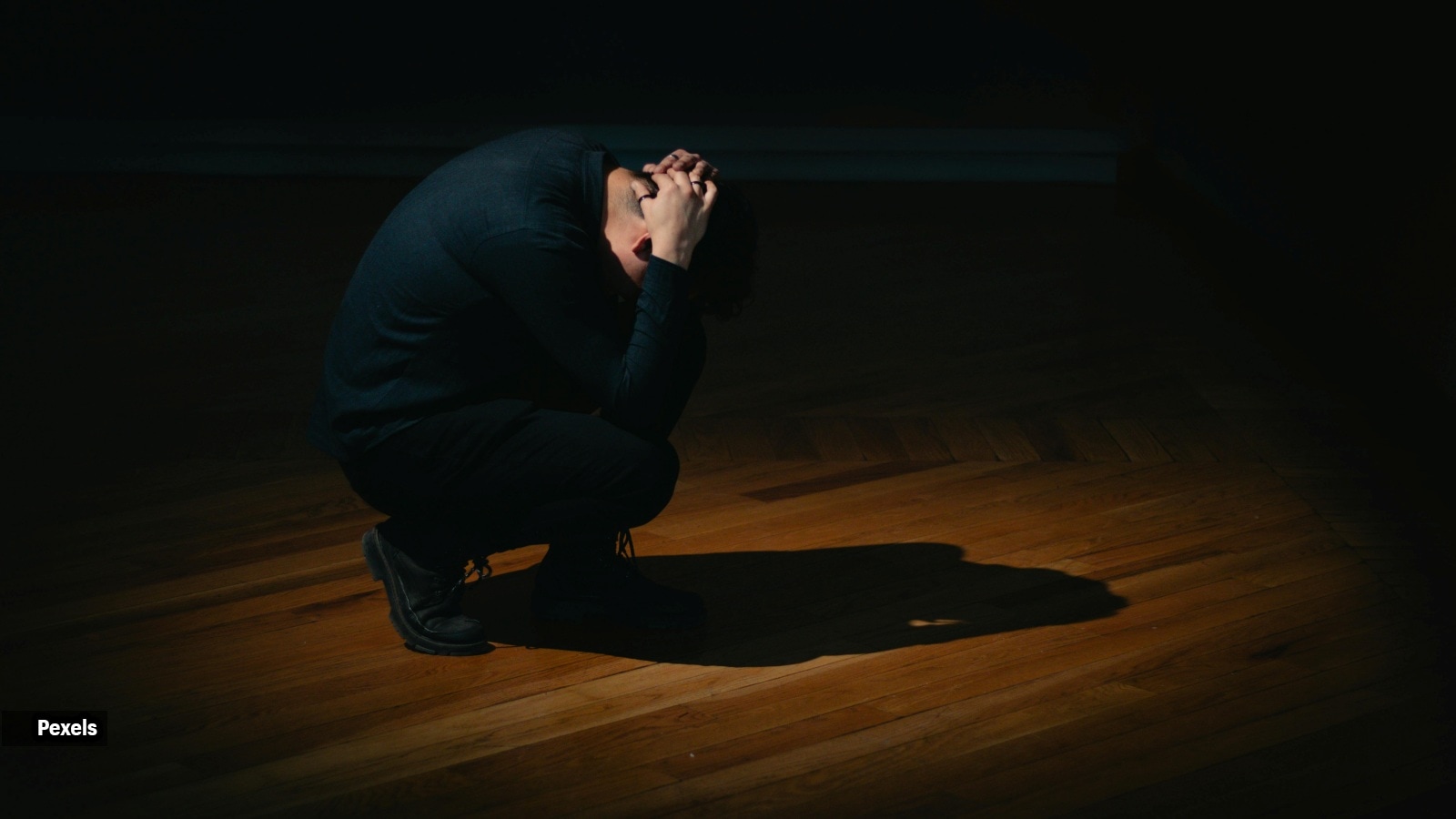 Deprived sleepers could be more emotionally reactive and mentally tired (Image: Freepik)
One of the strangest findings linked to sleep deprivation comes from a 2016 study where sleep-deprived participants were more than four times as likely to falsely admit to something they had not done.
Researchers believe exhaustion affects judgement, decision-making and the ability to resist pressure, making sleep-deprived people more likely to give in during stressful conversations or situations.
Story continues below this ad
5. Waking up with headaches
Morning headaches may sometimes point toward sleep apnea, a condition in which breathing repeatedly stops and starts during sleep.
Interrupted breathing can reduce oxygen levels and increase carbon dioxide buildup in the brain, triggering headaches upon waking.
“A sleep apnea is a very troubling condition because it constantly interrupts sleep breathing, depriving the body of oxygen and stressing the heart muscle,” Dr Dhall explained.
6. Grinding your teeth at night
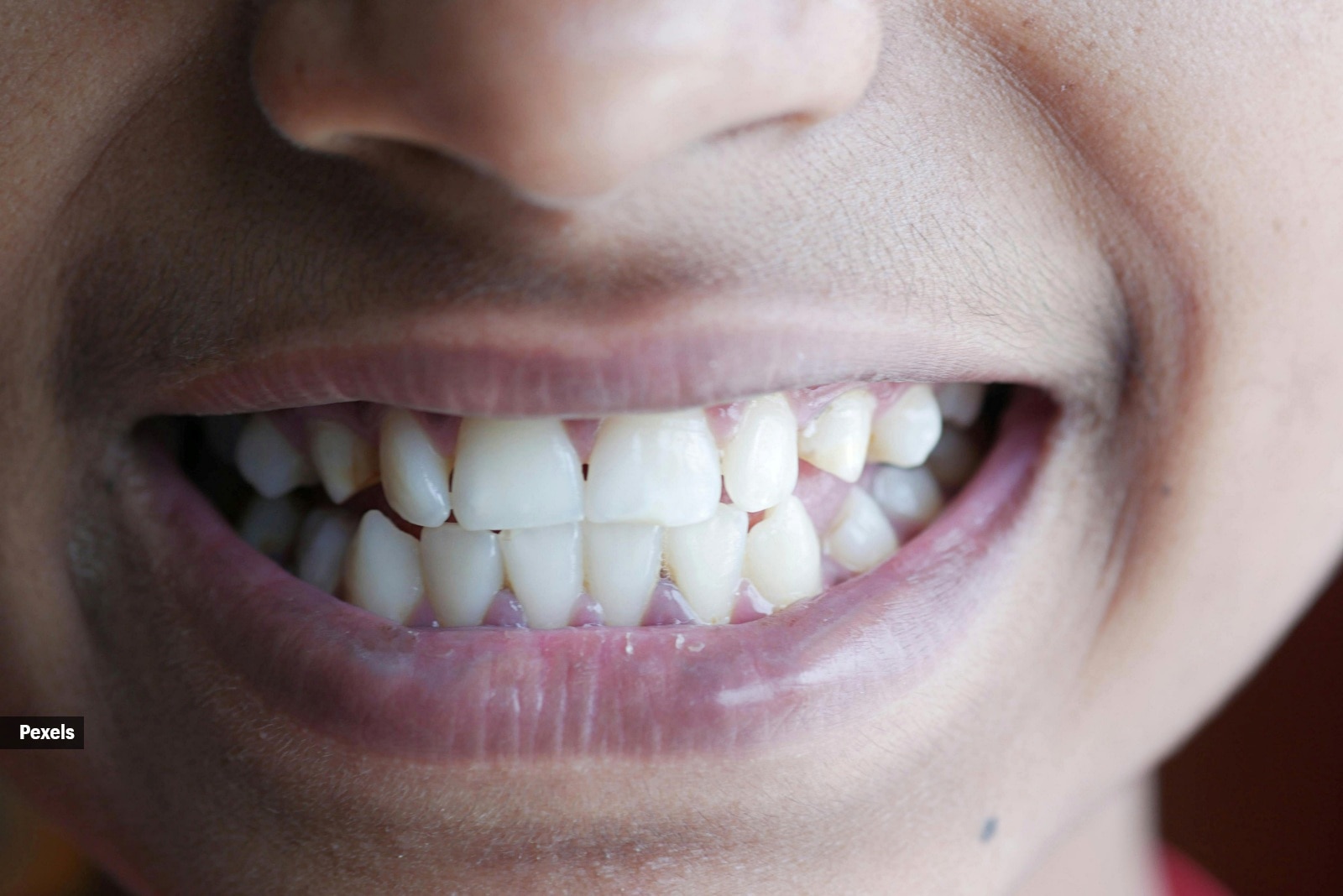 If sleep-deprivation-induced teeth grinding becomes regular, it can be a concerning sign (Image: Pexels)
Teeth grinding, or bruxism, is often blamed on stress, but sleep experts say many grinding episodes occur immediately after breathing disruptions during sleep.
Story continues below this ad
Jaw pain can also worsen sleep quality, creating a vicious cycle between poor sleep and nighttime teeth clenching.
7. Frequent nighttime bathroom trips
Waking up multiple times to urinate — known as nocturia — is commonly linked to aging or fluid intake, but it may also be connected to sleep apnea.
Repeated breathing interruptions place strain on the heart, triggering hormone changes that make the body release more fluid.
Dr Dhall cautioned that “symptoms like morning headaches, excessive daytime sleepiness, teeth grinding and frequent nighttime urination should not be overlooked” if they happen regularly.
Story continues below this ad
8. Eye twitching
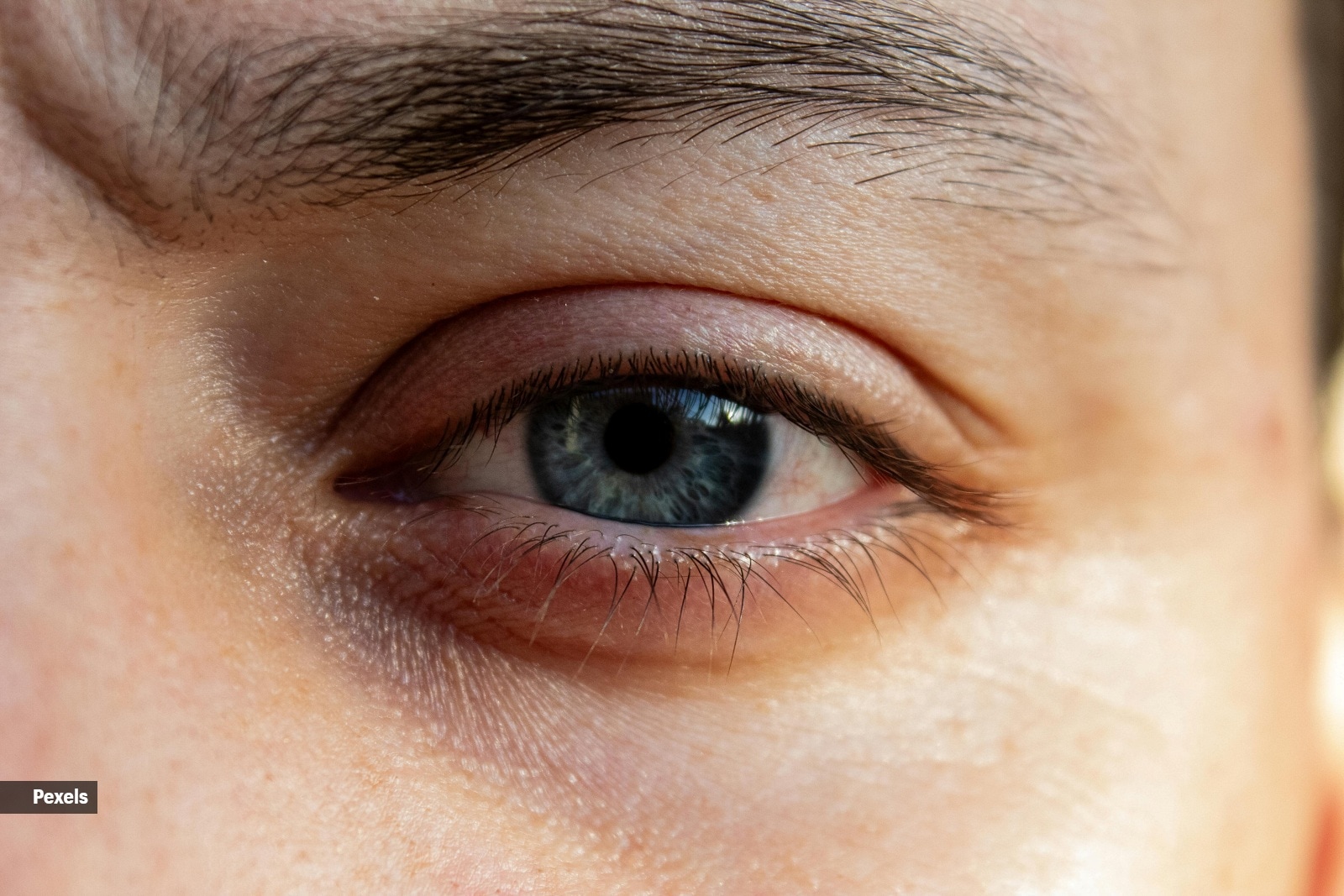 Sleep deprivation can sometimes cause unusual symptoms like frequent eye twitching (Image: Pexels)
That annoying eyelid flutter after a few poor nights of sleep? Your body may be trying to tell you something.
Sleep deprivation can strain the nervous system and eye muscles, making involuntary eyelid twitching more likely. Stress and excess caffeine—both common companions of poor sleep—can worsen the problem.
“Being tired all the time can be an indicator that the body may not be getting good sleep,” said Dr Dhall. While occasional twitching is usually harmless, frequent episodes alongside exhaustion may point to underlying sleep debt.
9. Increased sensitivity to light or noise
If bright lights suddenly feel harsher or normal sounds seem unusually irritating, poor sleep may be playing a role.
Story continues below this ad
Sleep deprivation can make the brain more reactive to sensory input, making it harder to filter everyday sounds, light, or background distractions.
“Poor sleep impacts focus, judgement and the body’s healing systems,” Dr Dhall told indianexpress.com. This heightened sensitivity may happen because an overtired brain struggles to regulate stress and process external stimuli efficiently.
DISCLAIMER: This article is based on information from the public domain and/or the experts we spoke to. Always consult your health practitioner before starting any routine.

Leave a Reply