
4 min readNew DelhiApr 23, 2026 08:00 PM IST
Prolonged sitting has quietly become one of the biggest health challenges of modern work life. Over time, a lack of circulation can take a toll on the legs, heart, and overall vascular health.
Vascular surgeon and varicose vein specialist Dr Sumit Kapadia, who has 18 years of experience, recently shared a simple two-minute exercise that can counter some of this damage, especially for those who cannot stand or walk every hour.
In an Instagram video, he explained that while nothing beats a short walk, ankle pumps are a powerful alternative for anyone tied to their chair. He wrote, “Sitting for too long slows down the blood flow in your legs, and that’s when problems begin.”
He listed heaviness, swelling, varicose veins, poor circulation, and even a higher risk of Deep Vein Thrombosis (DVT or blood clots) as possible outcomes of long hours of sitting in one position.
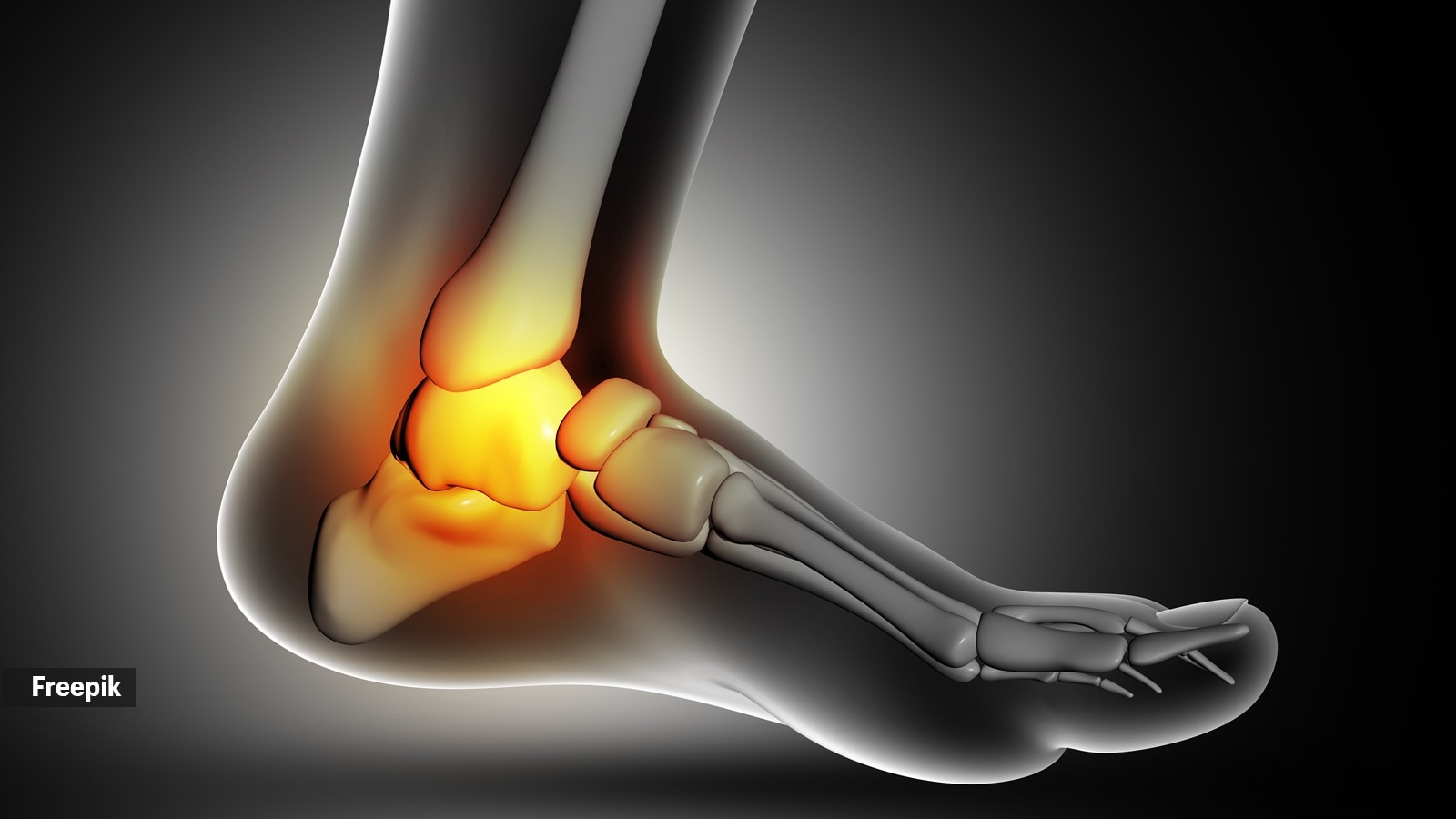
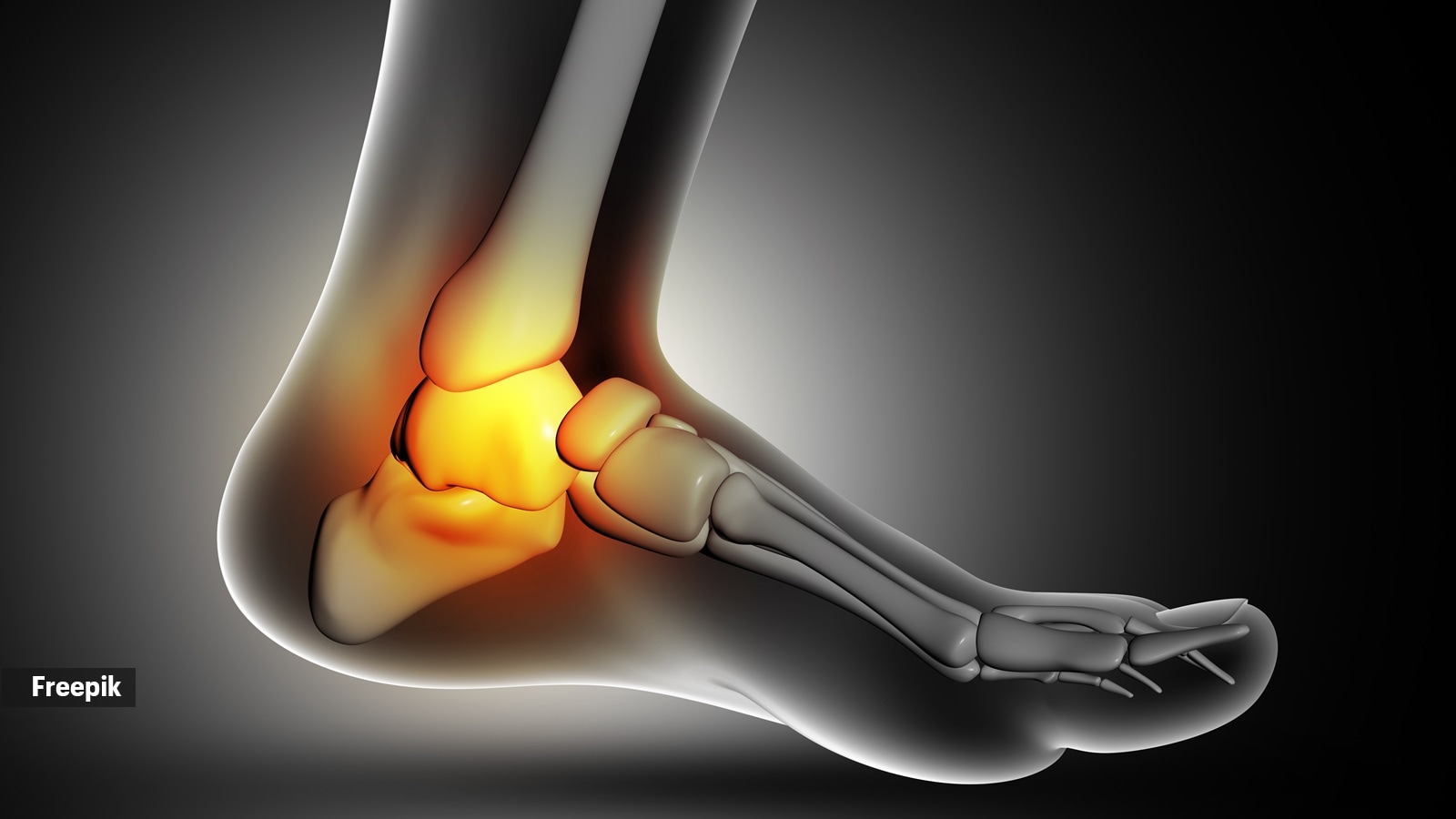
To address this, Dr Kapadia recommends a simple movement: “Move your ankle up and down, 20 to 30 times, every hour. That’s it. This small movement activates your calf muscles, the ‘peripheral heart’ that pushes blood back towards the heart. It takes 30 seconds, and the impact is huge.”
According to him, regularly doing ankle pumps can lead to better circulation, reduced swelling, lower risk of blood clots, and less leg fatigue at the end of the day.
So, how effective are ankle pumps in preventing swelling, fatigue, and blood clots for people who sit for long hours?
Dr P C Jagadish, orthopaedic trauma and robotic joint replacement surgeon, tells indianexpress.com, “Ankle pumps are a simple but highly effective movement because they engage the calf muscles, which play a key role in pushing blood from the lower limbs back toward the heart. Even from an orthopaedic standpoint, we see their value in reducing venous congestion, improving circulation around the ankle and calf, and preventing stiffness after prolonged sitting. Regular ankle pumps can meaningfully reduce swelling, heaviness, and early fatigue in the legs.
While they are not a substitute for movement, they are one of the safest and most efficient exercises for people who must remain seated for long durations, including office workers and frequent travellers.
Story continues below this ad
Incorporating ankle pumps safely
People who already have symptoms should perform ankle pumps in short, frequent sets rather than long or forceful repetitions. Dr Jagadish notes, “A practical pattern is ten to fifteen pumps every thirty to forty minutes.”
However, he stresses that in many symptomatic individuals, ankle pumps alone may not be sufficient. Persistent swelling, visible varicosities, or pain often indicate deeper venous or musculoskeletal issues that require medical assessment.
Other simple habits to protect vascular health
Dr Jagadish says that there are several easy strategies that help reduce strain on both the vascular system and the musculoskeletal system during long sitting hours:
- Shift your sitting posture every fifteen to twenty minutes. Even small adjustments reduce pressure on the hips, knees, and veins.
- Keep both feet flat on the floor rather than crossing your legs, as this increases venous pressure and stiffness in the lower back.
- Use a footrest or a small stool under your feet if your chair is too low and your legs hang. This improves circulation and reduces tension on the lower spine.
- Hydrate consistently. Dehydration thickens the blood and increases the risk of clots for at-risk individuals.
- Stretch the hip flexors, hamstrings, and lower back once or twice during the workday. These are the muscle groups that tighten the most during prolonged sitting and indirectly affect venous flow.
- For individuals with known risk factors for DVT, preventive measures like compression stockings during long travel or high-sedentary days are advisable.
DISCLAIMER: This article is based on information from the public domain and/or the experts we spoke to. Always consult your health practitioner before starting any routine.

Leave a Reply