
4 min readNew DelhiApr 23, 2026 02:00 PM IST
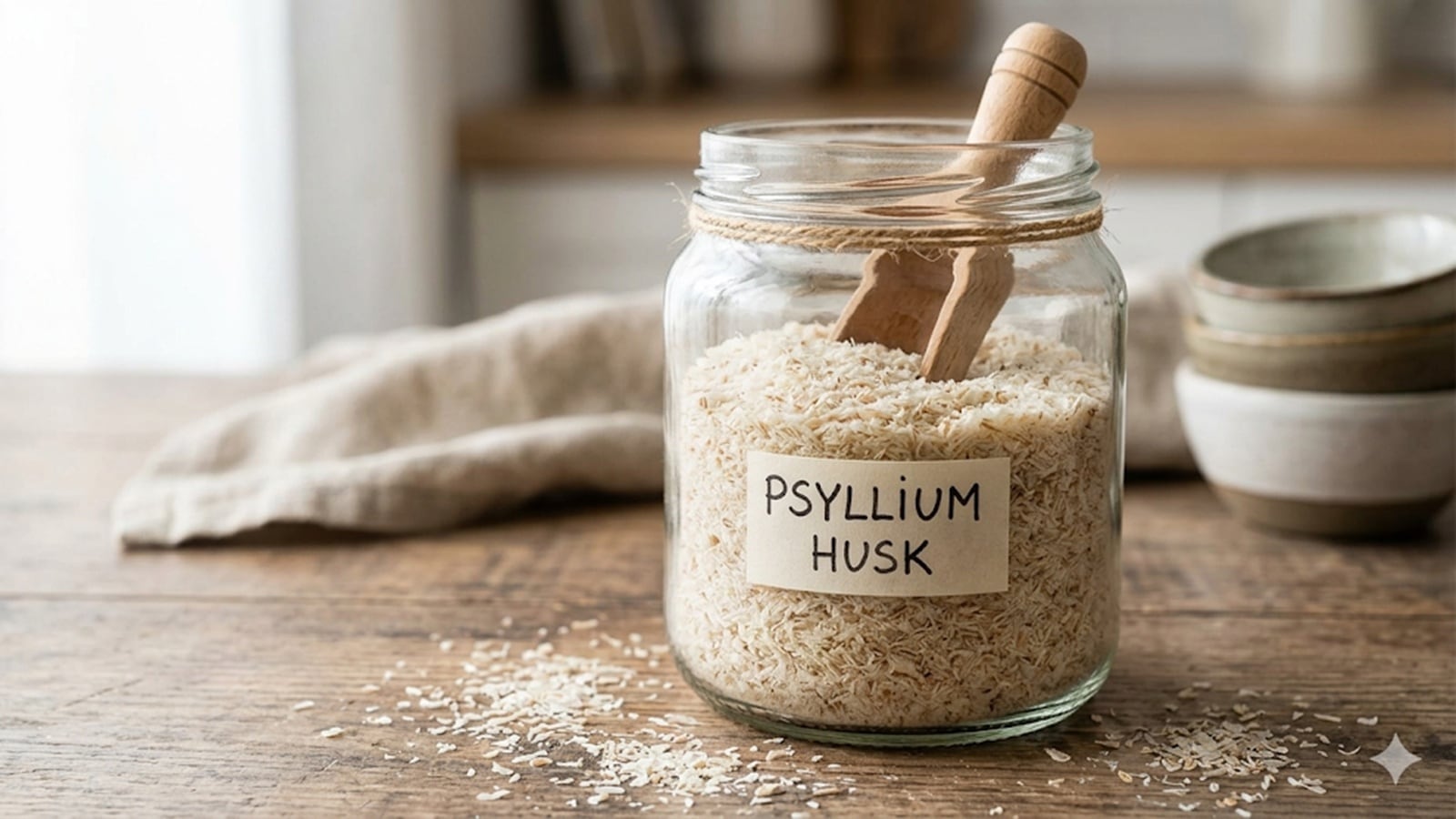
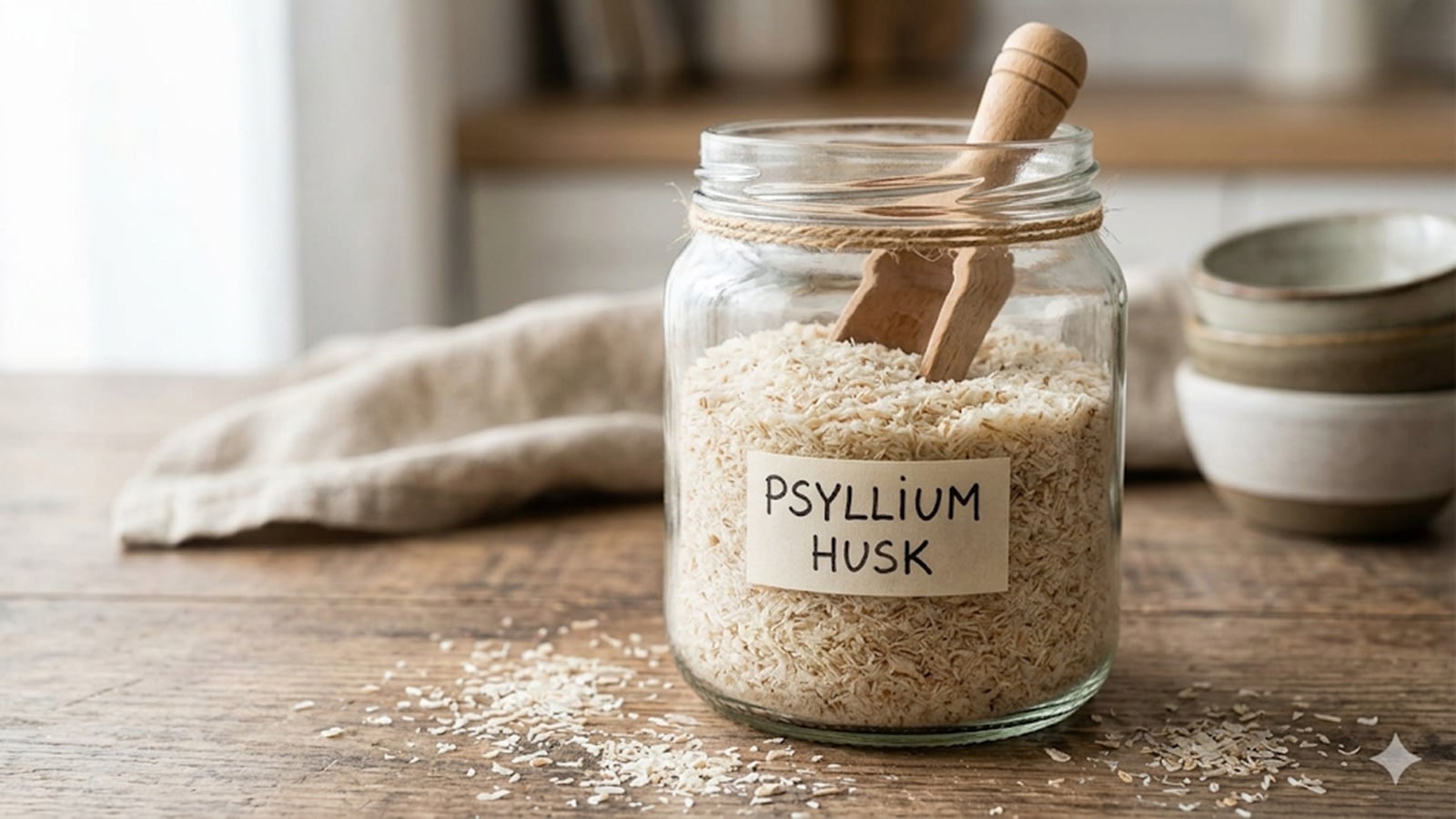
In many Indian households, isabgol (psyllium husk) has long been a go-to remedy for constipation, often taken at night with water or milk to support smoother bowel movements. Fitness coach Dan Go recently shared his personal experiment with isabgol on X. Describing the outcome as unexpected, he wrote, “I max dosed psyllium husk but did not expect this.” He followed a 28-day routine, taking two heaping tablespoons before every meal, three times a day for 20 straight days—amounting to roughly 48 to 56 grams of fibre daily from isabgol alone.
The initial phase, however, wasn’t smooth. “I was tired and couldn’t figure out why,” he shared. “Then I realised I wasn’t drinking enough water. Psyllium absorbs a lot of it as it works. Once I increased my intake, the fatigue was gone within a day.” As the days progressed, he noticed changes in his appetite and digestion. “My appetite dropped noticeably. I was full between meals, didn’t feel the need to snack, and had reduced cravings. I wasn’t trying to eat less. I just didn’t want to.” By the end of the first week, the effects became more pronounced. “By day seven, my digestion was the smoothest it had been in years,” stated Dan. “Less gas. Less bloating. A quiet calm in my stomach (that) I didn’t know was missing.”
DISCLAIMER: This article is based on information from the public domain and/or the experts we spoke to. Always consult your health practitioner before starting any routine.
He also explained how psyllium husk works in the body, as a soluble fibre that absorbs water and forms a gel in the gut, slowing digestion, supporting beneficial gut bacteria, and influencing how glucose and cholesterol are processed. At the same time, he cautioned about proper use: “If anyone decides to take psyllium husk, they have to make sure they’re drinking enough water. Psyllium compacts in your gut without it,” stated Dan. “Aim for half your bodyweight in ounces a day.” He emphasised that while isabgol can be helpful, it should not replace natural fibre sources like vegetables, fruits, and legumes, and may not be suitable for everyone — especially those with bowel obstruction history, severe gastrointestinal narrowing, swallowing difficulties, or those on medications like GLP-1 that slow digestion.
I max dosed psyllium husk but did not expect this.
For the past 28 days, I’ve maxed out on psyllium husk, taking two tablespoons 3x a day, and it’s quietly changed my life.
Here’s what it did to my body: pic.twitter.com/t4Rhlypb2P
— Dan Go (@CoachDanGo) April 16, 2026
Is consuming high amounts of psyllium husk daily, as described here, safe for most people?
Ashlesha Joshi, fitness dietician and nutritionist at Tone 30 Pilates, tells indianexpress.com, “From a medical nutrition standpoint, psyllium husk is generally safe when used in moderate, well-spaced doses with adequate hydration. However, consuming it three times daily in high quantities without supervision can create digestive strain.”
She adds, “Excess intake may lead to bloating, abdominal discomfort, or even intestinal obstruction if water intake is insufficient. In some individuals, it can interfere with the absorption of medications or essential nutrients. Gut health benefits are dose dependent, so more is not necessarily better and should be tailored to individual tolerance.”
How does soluble fibre like isabgol influence appetite, blood sugar, and cholesterol levels in the body?
Soluble fibre, such as psyllium, works by forming a gel-like substance in the gut, which slows gastric emptying and carbohydrate absorption. Joshi explains, “This helps improve satiety, reduces post-meal blood sugar spikes, and supports better glycaemic control. It also binds to bile acids, which can help lower LDL cholesterol over time.”
These effects are clinically validated, but sustainability depends on consistent use alongside a balanced diet. Relying solely on supplements without broader dietary correction limits long-term metabolic benefits.
Story continues below this ad
Balancing supplements like isabgol with whole food sources
Psyllium should be seen as a supportive addition rather than a primary source of fibre. “A well-rounded diet including vegetables, fruits, whole grains, legumes, and seeds provides diverse fibres that support gut microbiota more effectively,”concludes Joshi.
DISCLAIMER: This article is based on information from the public domain and/or the experts we spoke to. Always consult your health practitioner before starting any routine.

Leave a Reply