
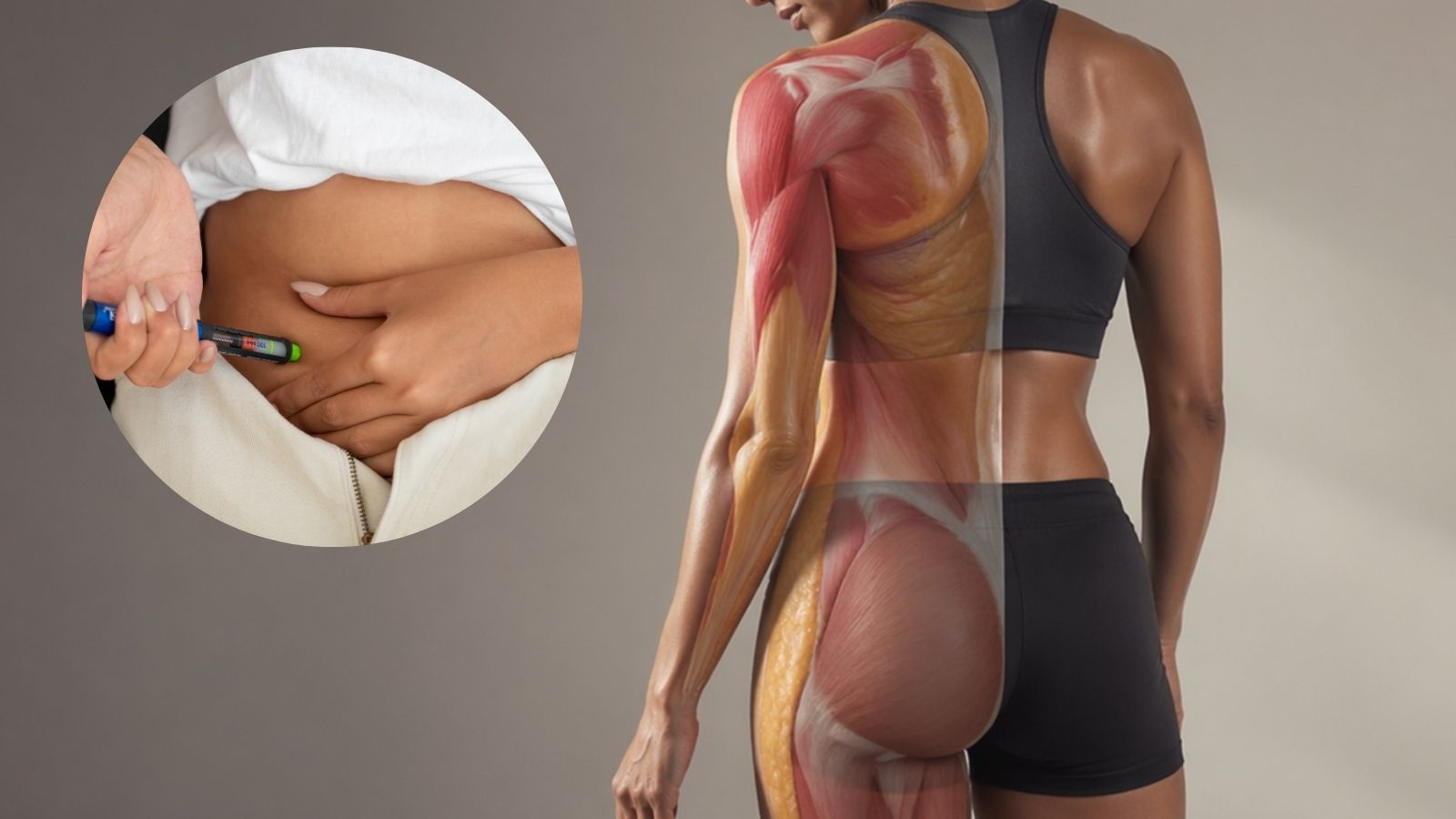
Weight-loss medications have quickly become a major talking point in conversations about obesity management and metabolic health. With more people turning to medical interventions to support fat loss, questions are also emerging about what exactly the body is losing in the process.
While the number on the scale may drop, not all weight loss is the same. Some of it may come from fat, but some may also come from lean muscle mass, which plays a critical role in strength, metabolism, and overall health.
This has led to growing concern about how these drugs affect body composition over time. Muscle loss, in particular, can have long-term consequences, from reduced metabolic rate to increased risk of weakness and injury.
DISCLAIMER: This article is based on information from the public domain and/or the experts we spoke to. Always consult your health practitioner before starting any routine.
At the same time, factors like diet, protein intake, and resistance training may influence how the body responds to these medications. Understanding whether these drugs disproportionately impact muscle compared to fat, and what that means for long-term health, is key before considering or continuing such treatments.
When people lose weight using weight loss drugs, how much of it typically comes from fat loss versus muscle loss?
Dr (Prof) Raju Vaishya, senior consultant orthopaedic and joint replacement surgeon at Indraprastha Apollo Hospitals, New Delhi, tells indianexpress.com, “With modern weight-loss drugs—especially Semaglutide and Tirzepatide—most weight loss comes from fat, but a meaningful share is lean mass (muscle + water + organ tissue). Clinical studies suggest roughly 65–85% fat loss and 15–35% lean mass loss, though individual variation is wide.”
He notes that the balance depends on several factors:
- baseline body composition (those with higher fat mass tend to lose a greater proportion of fat)
- speed and magnitude of weight loss (faster loss increases lean tissue loss)
- protein intake, and physical activity—especially resistance training.
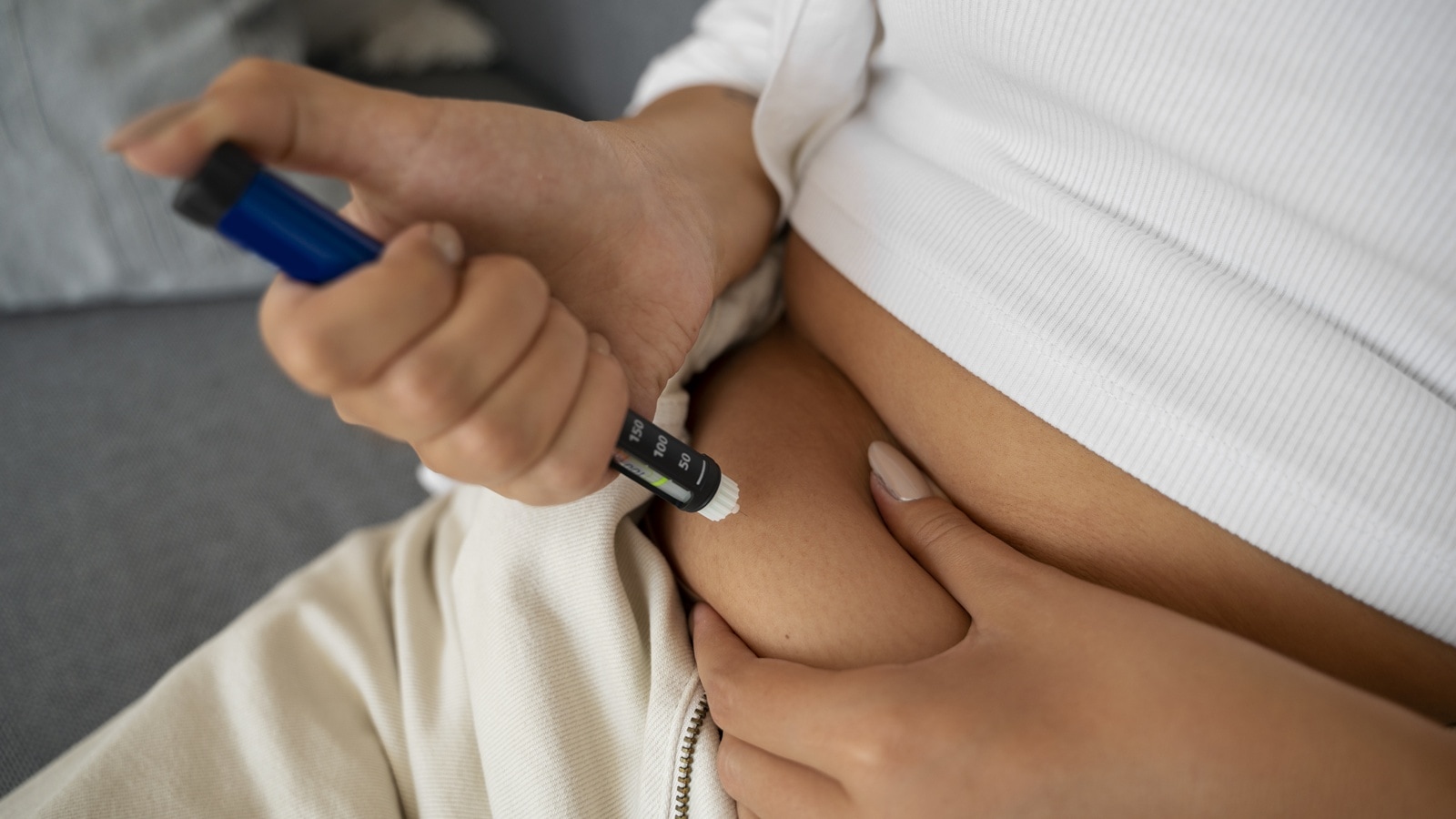 Learn how weight loss drugs affect your muscle mass (Source: Freepik)
“Age and hormonal status also matter, with older adults more prone to muscle loss. Appetite suppression from these drugs can reduce overall calorie and protein intake, unintentionally increasing lean mass loss if not managed. Importantly, ‘lean mass’ loss is not purely muscle—some is water and glycogen—so true contractile muscle loss may be somewhat lower than reported figures,” states Dr Vaishya.
Story continues below this ad
Dr Palleti Siva Karthik Reddy, MBBS, MD general medicine, FAIG, consultant physician at Elite Care Clinic, adds, “This balance is largely determined by protein intake, level of physical activity, especially resistance training, baseline muscle mass, and the overall calorie deficit created. Individuals who do not actively support muscle preservation through diet and exercise tend to lose a higher proportion of lean mass.”
Do weight loss drugs accelerate muscle loss vs diet/exercise?
“Weight-loss drugs do not inherently cause more muscle loss than traditional calorie restriction—the key driver is the calorie deficit itself,” says Dr Vaishya, adding that when people lose weight through diet alone, lean mass loss typically falls in a similar range (about 20–30%). “With medications like Semaglutide or Tirzepatide, the proportion of lean mass loss can appear higher in some studies, but this is often because total weight loss is greater and faster, not because the drugs directly break down muscle. In fact, when combined with structured exercise and adequate protein, muscle preservation can match—or even outperform—diet-only approaches,” suggests the expert.
Compared to structured weight loss through diet and exercise, Dr Reddy stresses, where protein intake and resistance training are typically emphasised, medication-driven weight loss can sometimes be less controlled. “This can result in a slightly higher proportion of lean mass loss if not managed carefully, particularly in individuals who are not physically active.”
Dr Vaishya states, “The concern arises when patients rely solely on medication without lifestyle measures, leading to reduced protein intake and minimal resistance training. So, drugs are best viewed as amplifiers of weight loss, not selective drivers of muscle loss. The outcome depends largely on how they’re used, rather than the pharmacology alone.”
Story continues below this ad
How to minimise muscle loss during weight-loss therapy
According to Dr Vaishya, preserving muscle while losing weight on medications like Semaglutide or Tirzepatide requires a deliberate strategy.
-Prioritise protein intake — generally ~1.2-1.6 g/kg/day, adjusted for age and renal function—to support muscle protein synthesis.
-Incorporate resistance training (2-4 sessions/week), which is the most effective way to signal the body to retain muscle during a calorie deficit. Even simple progressive strength exercises can make a significant difference.
-Avoid overly rapid weight loss; a gradual pace helps preserve lean tissue.
-Maintain adequate micronutrients (vitamin D, calcium) and hydration.
“Clinical supervision is important—regular monitoring of body composition (not just weight) can guide adjustments. In some cases, clinicians may consider adjuncts like protein supplementation or tailored exercise prescriptions. Ultimately, combining pharmacotherapy with structured nutrition and strength training transforms weight loss from merely lighter weight to healthier body composition,” concludes Dr Vaishya.
DISCLAIMER: This article is based on information from the public domain and/or the experts we spoke to. Always consult your health practitioner before starting any routine.

Leave a Reply