
3 min readHyderabadApr 20, 2026 05:21 PM IST
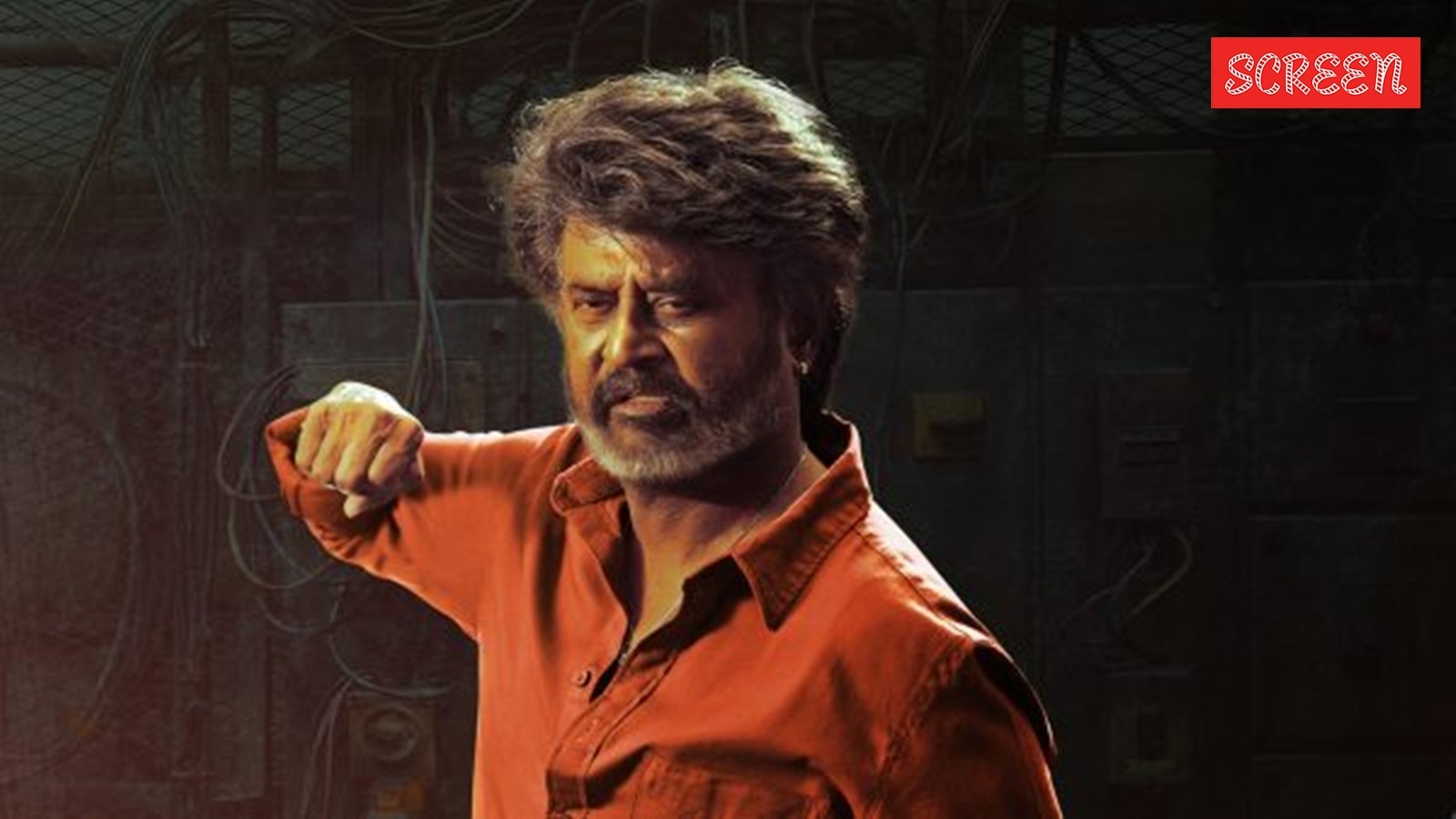
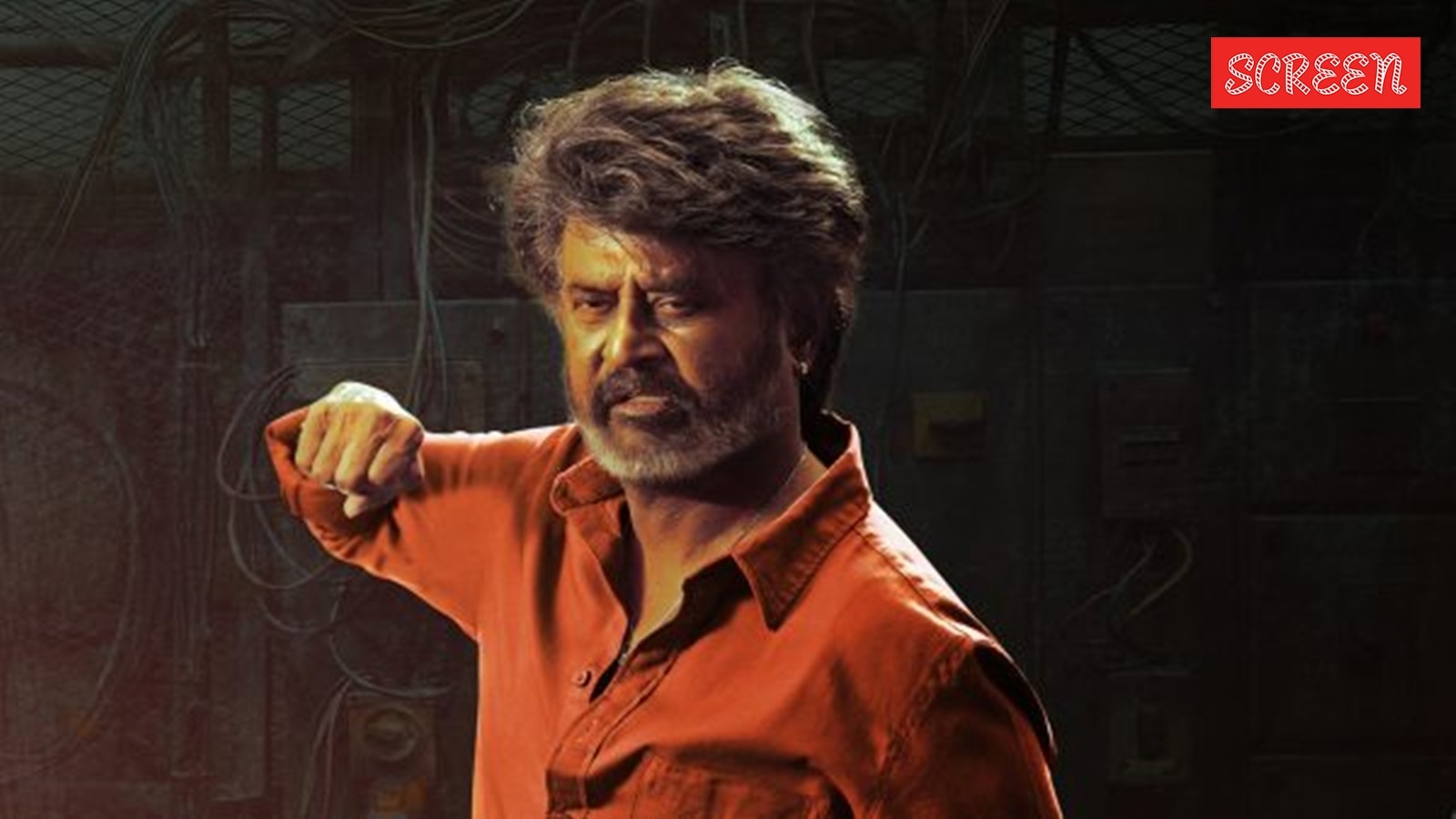
There is arguably no bigger star in Tamil cinema than Rajinikanth. Over a career spanning five decades, he has become one of the most recognisable faces in all of Indian cinema, with a fan base that extends well beyond the country’s borders. His films regularly open to massive numbers across Tamil Nadu, Andhra Pradesh, Karnataka, and overseas markets, and his name alone is considered enough to greenlight a production.
According to industry tracker Sacnilk, his 2023 action drama Jailer, directed by Nelson Dilipkumar, grossed Rs 604.50 crore worldwide, making it the tenth-highest-grossing South Indian film of all time and the third-biggest Tamil film ever at the global box office. His sci-fi actioner 2.0 (2018), co-starring Akshay Kumar, remains the highest-grossing Tamil film in history at approximately Rs 691 crore worldwide per Sacnilk. His most recent release, Coolie (2025), directed by Lokesh Kanagaraj, crossed Rs 500 crore globally. His upcoming Jailer 2, directed once again by Nelson Dilipkumar, is one of the most anticipated Tamil releases of the coming months.
Given that kind of pull, it would be reasonable to assume that Rajinikanth commands one of the largest upfront fees in the business. What producer G Dhananjay is now claiming, however, tells a very different story about how the superstar has historically approached the question of money.
Speaking on the Cinema Strategist, Dhananjay revealed that Rajinikanth once agreed to accept just Rs 1 as his advance for a film, with no guaranteed salary behind it. The rest of what he would earn was to be settled only after the film was released, and the amount would depend entirely on how the business performed.
According to Dhananjay, the conversation that led to this arrangement went something like this. A producer came to Rajinikanth and said: “Give me even one rupee without affecting any percentage, sir, I’m ready, let’s go.” Dhananjay explained what made that offer significant: “When a film gets committed, if you give just one rupee, that’s enough. Later, you can give the rest when the film releases.”
If the film made money, Rajinikanth earned more. If it did not, he earned less. “If the business grows, we have to give more. If it shrinks, we’ll give less. That’s how business works,” Dhananjay said. According to him, Rajinikanth’s motivation was not strategic positioning or a clever negotiating tactic. It came from a belief that Tamil cinema’s producers should not be left holding all the risk when a film does not perform. “Rajini sir insisted that producers should never be harmed in any way,” he added.
Story continues below this ad
Quoting Rajinikanth’s remarks in one of such incidents, Dhananjay recalled, “When Rajinikanth finishes a movie and comes asking, “What’s my salary for today? If you give it, I’ll go,” the producer doesn’t feel scared at all.”
DISCLAIMER: This article highlights Rajinikanth’s professional choices and career milestones within the entertainment industry. The figures and anecdotes shared are for informational purposes and reflect personal industry perspectives rather than financial or legal advice.

Leave a Reply