
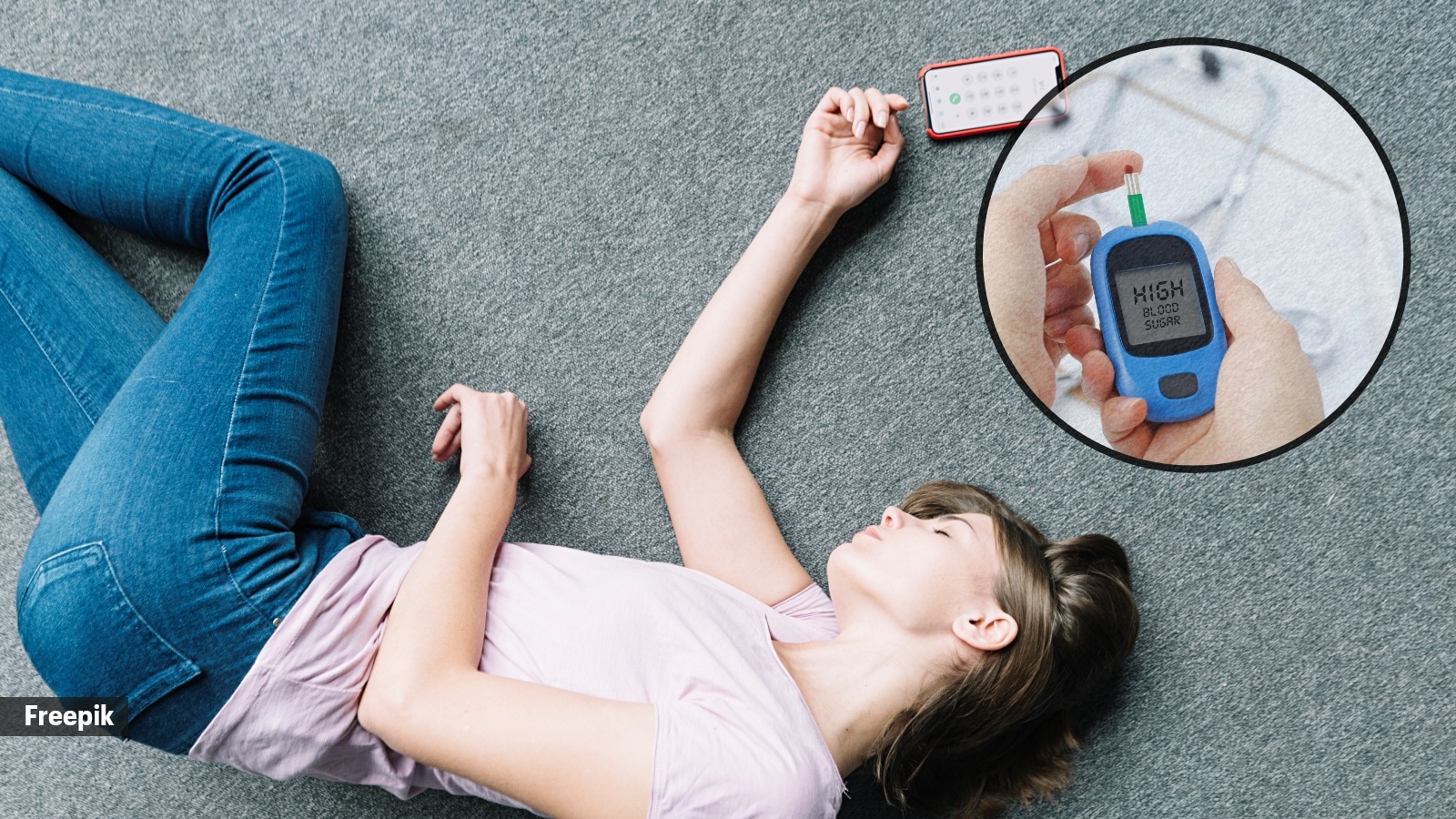
Low blood sugar episodes are often brushed off as “just weakness” or temporary fatigue, but in certain cases, they can escalate into a medical emergency. When glucose levels fall sharply, the brain—its primary fuel source—can become severely deprived of energy, sometimes triggering seizures that require urgent intervention.
According to Dr Sreelakshmi N., Consultant – Neurologist and Epileptologist at S.L. Raheja Hospital – A Fortis Associate, hypoglycaemia occurs when blood sugar drops to dangerously low levels, disrupting normal brain function.
“The brain depends almost exclusively on glucose for energy. When this supply is cut off, electrical activity becomes disorganised, which can lead to seizures, loss of consciousness or convulsions,” she explains. If the condition is prolonged, it may even lead to lasting neurological damage.
DISCLAIMER: This article is based on information from the public domain and/or the experts we spoke to. Always consult your health practitioner before starting any routine.
Why the brain is so vulnerable
Unlike other organs, the brain cannot store or produce glucose on its own. When blood sugar falls rapidly, brain cells begin to malfunction. This can first appear as confusion, irritability, blurred vision, or unusual behaviour, before progressing to more severe symptoms such as staring spells, uncontrolled jerking movements, or full-body seizures.
Dr Sreelakshmi notes that infants, people with diabetes, and those with underlying metabolic, liver, or kidney disorders are particularly at risk. In newborns, hypoglycaemic seizures can be especially difficult to detect, often presenting as subtle signs like eye fluttering, repetitive mouth movements, or abnormal limb activity.
 Before blood sugar levels drop dangerously low, the body may signal it in the form of shakiness, blurred vision, headache, trembling, and more (Image: Pexels)
What can trigger severe hypoglycaemia
Dr Shailaja Kale, Consultant – Diabetes and Endocrinology at Sahyadri Hospital – Bibwewadi, explains that severe hypoglycaemia usually results from an imbalance between medication, food intake, and physical activity.
Story continues below this ad
“Certain medications & dosing errors can strongly increase the risk (e.g., insulin is most likely to cause low glucose levels when taken in excessive amounts or at inappropriate times; rapid-acting or long-acting insulins),” Dr Kale points out.
“Mistakes like taking 2 doses, giving an injection of insulin but not eating, or confusing types of insulin could all lead to sudden drops in glucose levels,” she further adds while noting that in the case of elderly patients or patients with chronic kidney disease, these medications may remain in their bodies longer, increasing the risk.
“Skipping meals after taking insulin, taking an incorrect dose, or doing intense exercise without adjusting food intake are common triggers. Alcohol on an empty stomach can also significantly lower blood sugar.”
Early warning signs you should not ignore
Before seizures occur, the body usually gives clear signals. These include sweating, trembling, rapid heartbeat, dizziness, sudden hunger, anxiety, headache, or difficulty concentrating. If these signs are missed, the condition can rapidly progress to confusion, collapse, and eventually seizures.
Story continues below this ad
Dr Kale emphasises that immediate intake of fast-acting sugar—such as glucose tablets or fruit juice—and rechecking blood sugar after 15 minutes can prevent escalation in many cases.
 Unlike the visible shaking seen in adults, babies may have “silent” seizures that can be mistaken for simple eye fluttering, repetitive chewing, or repeated leg movements (Image: Pexels)
Prevention and emergency response
Experts agree that prevention lies in maintaining stable glucose levels through consistent meal timing, correct medication use, and regular monitoring. High-risk individuals are advised not to skip meals, to match food intake with physical activity, and to carry a quick source of sugar at all times.
Continuous glucose monitoring devices can also help detect sudden drops early. Medication adjustments during illness, travel, or changes in routine should always be done under medical guidance.
“Emergency preparedness is essential for individuals prone to hypoglycemia,” stresses Dr Sreelakshmi. The neurologist says that the patients should be educated about early warning symptoms and “keep a glucometer and glucose powder” readily available at home.
Story continues below this ad
“If blood sugar drops, dissolve 3 teaspoons of glucose in water and consume immediately. If the patient is unconscious or unable to take orally, seek immediate medical care for intravenous glucose administration.”
The neurologist further explains that long-term prevention strategies include” education and understanding personal triggers, medication adherence, alcohol, and medical identification” to reduce risks.
With awareness, structured care, and early recognition of symptoms, hypoglycaemia-related seizures are largely preventable—turning a potentially life-threatening situation into a manageable one.
DISCLAIMER: This article is based on information from the public domain and/or the experts we spoke to. Always consult your health practitioner before starting any routine.

Leave a Reply