
3 min readNew DelhiApr 18, 2026 12:01 PM IST
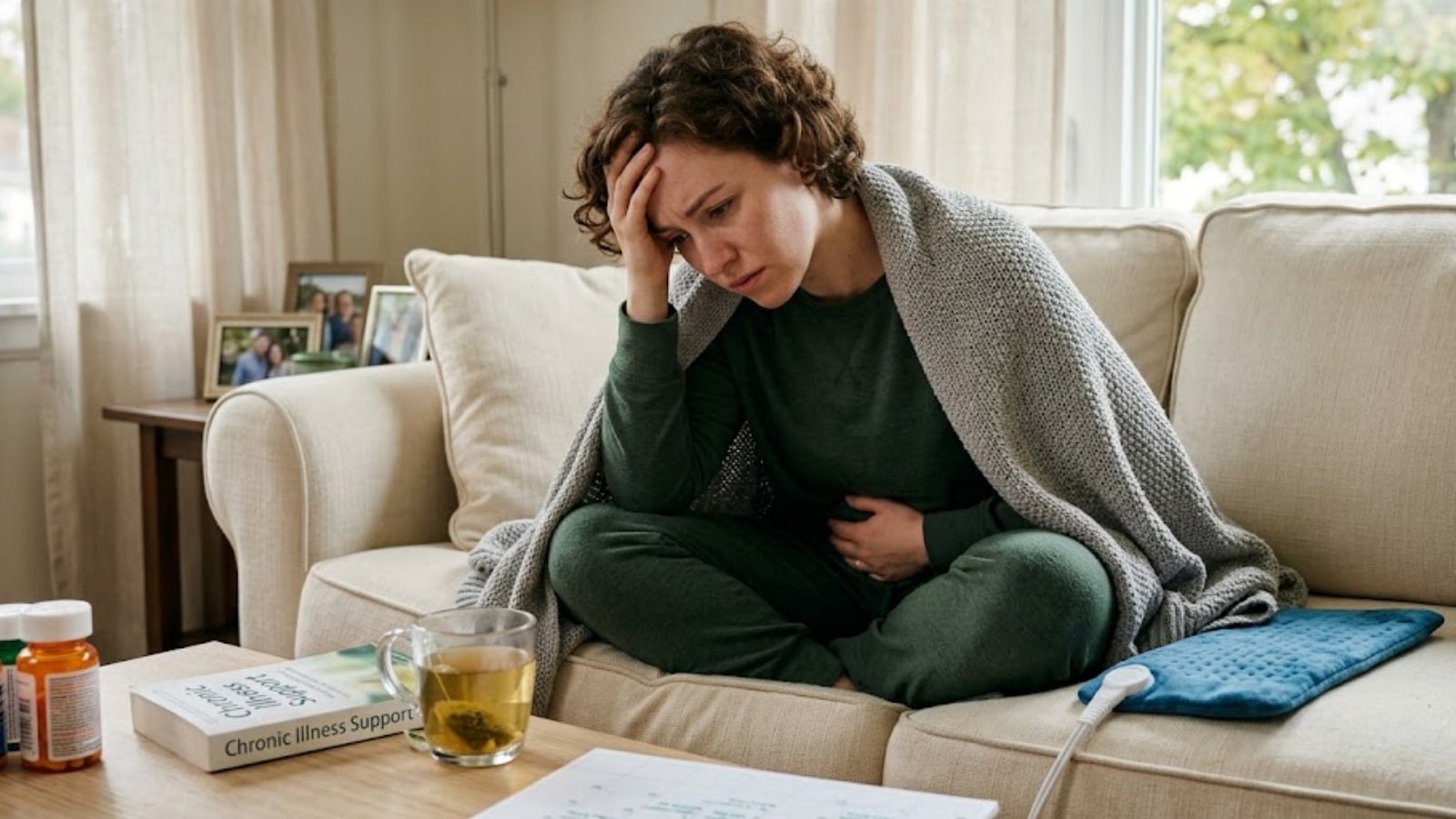
Endometriosis is a chronic condition in which tissue similar to the lining of the uterus grows outside the uterus, often causing pelvic pain, heavy periods and fertility problems. But, “can you live with endometriosis without surgery?” posed a Quora user. While surgery is sometimes recommended, many women can manage their symptoms without undergoing an operation.
According to Dr Renu Sehgal, chairperson of the department of obstetrics and gynaecology at Artemis Hospital, non-surgical treatment is often the first-line management for women with mild to moderate symptoms.
When can endometriosis be managed without surgery?
Not every patient with endometriosis requires surgical treatment. In many cases, doctors recommend conservative management first. “Many women with endometriosis can manage their symptoms without surgery, especially when the condition is mild or moderate,” Dr Sehgal said.
According to her, non-surgical treatment is usually considered when:
- Pain is manageable
- The condition is not progressing rapidly
- There are no large ovarian cysts
- Fertility is not significantly affected
“If the pain is not severe and there are no major complications, doctors usually suggest medication, pain management and lifestyle changes to help control symptoms,” Dr Sehgal explained.
However, she emphasised that patients still require regular monitoring to ensure the condition does not worsen over time.
DISCLAIMER: This article is based on information from the public domain and/or the experts we spoke to. Always consult your health practitioner before starting any routine.
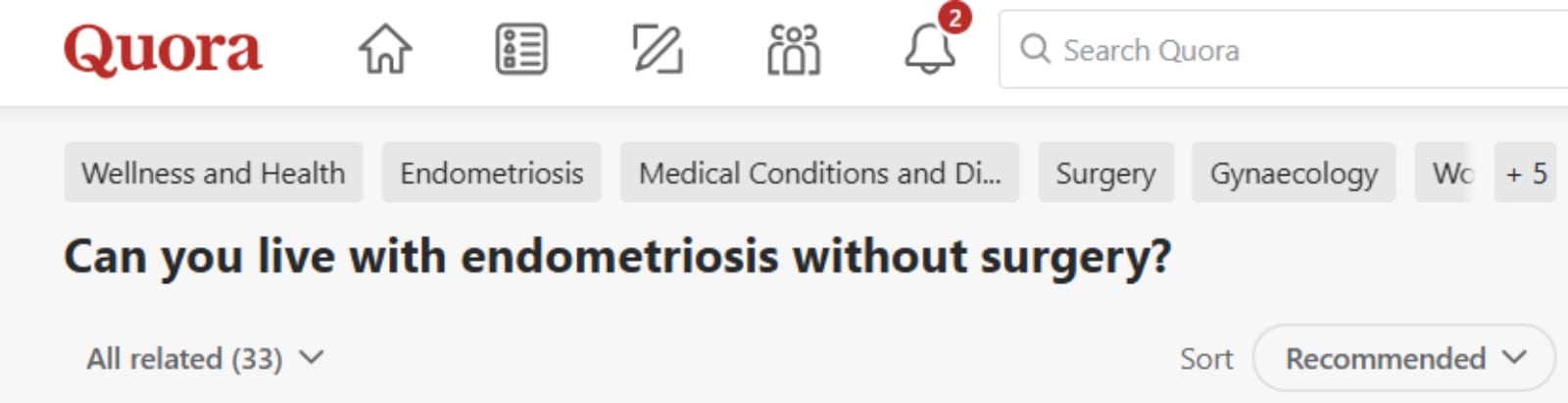 Can Endometriosis be treated without surgery? (Photo: Website/Quora.com)
Effective non-surgical options for managing endometriosis pain
Several treatments can help control pain and slow the growth of endometrial tissue. “Doctors commonly prescribe pain relief medicines and hormonal treatments to reduce symptoms and slow the growth of endometrial tissue,” Dr Sehgal said.
Common non-surgical options include:
Story continues below this ad
- Pain relief medications to manage pelvic discomfort
- Hormonal therapies, such as birth control pills
- Progestin therapy
- Hormone-regulating injections
These treatments help regulate hormone levels and reduce inflammation associated with the condition.
Lifestyle changes may also play a supportive role in managing symptoms. “Adequate sleep, stress management and an anti-inflammatory diet may help reduce pain and improve overall well-being,” Dr Sehgal noted.
When surgery becomes necessary
Although conservative treatment works for many women, surgery may be recommended if symptoms worsen or complications develop.
“If pain becomes severe, medications stop providing relief or complications such as ovarian cysts, organ involvement or fertility problems arise, surgical treatment may be required,” Dr Sehgal explained.
Story continues below this ad
Some signs that surgery might be necessary include:
- Persistent pelvic pain that does not improve with treatment
- Large ovarian cysts related to endometriosis
- Heavy bleeding
- Difficulty conceiving
“Regular follow-ups are essential because they help doctors assess how the disease is progressing and decide the safest and most effective treatment plan for each patient,” Dr Sehgal added.
DISCLAIMER: This article is based on information from the public domain and/or the experts we spoke to. Always consult your health practitioner before starting any routine.

Leave a Reply