
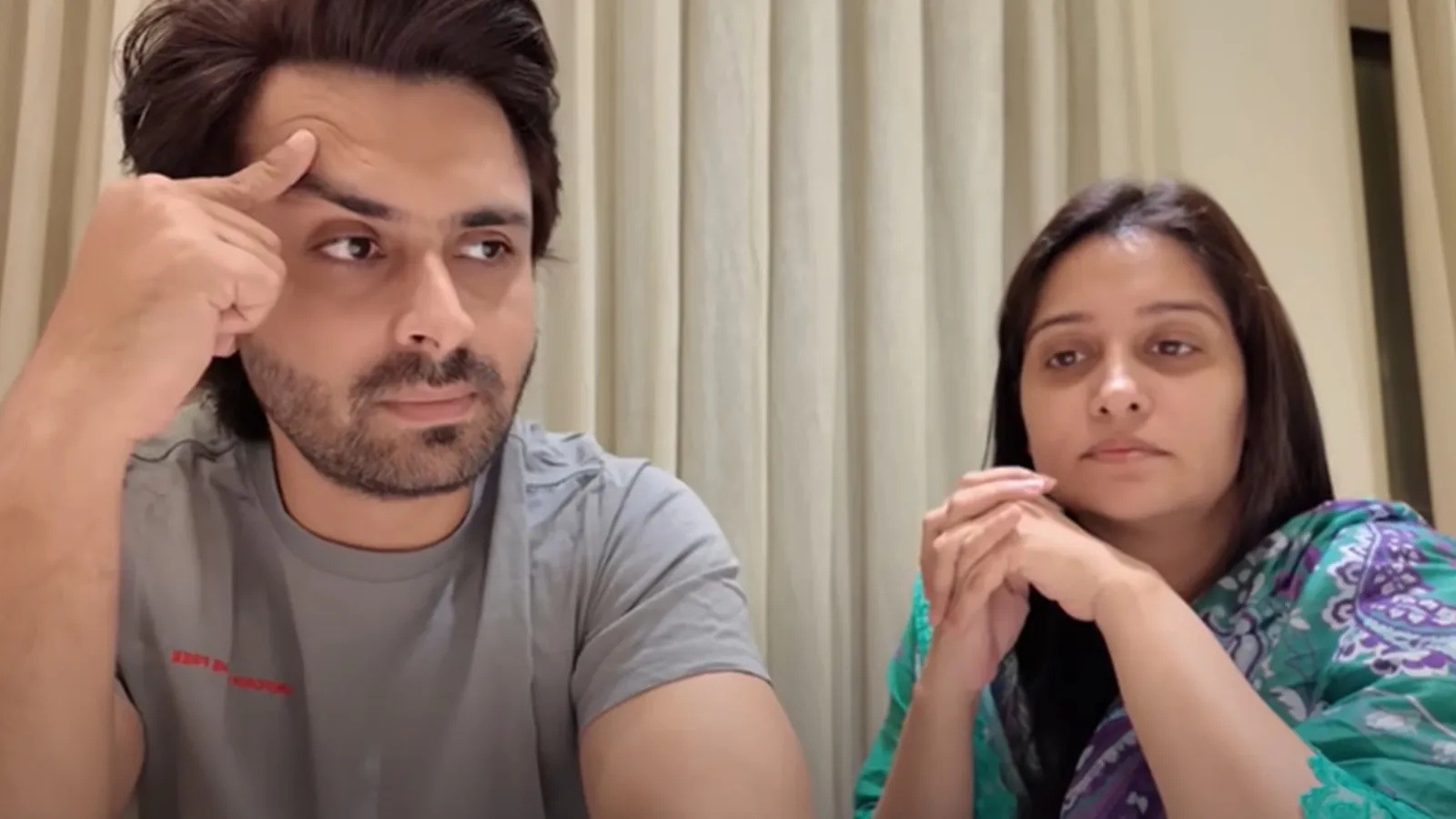
Shoaib Ibrahim, 38, recently opened up about his struggle with ‘health anxiety’ following the recurrence of his wife Dipika Kakar‘s cyst, which required her to undergo surgery for a second time. “I have started gym again. I also need to take care of my health. Ever since Dipika’s recurrence, I have started facing health anxiety. Not regarding me, but her. Ghabraahat si hone lagi hai bahut zyaada (I am feeling anxious). Even if there is a slight issue, I panic more than her. I don’t tell her that. If she is having leg pain or arm pain, I panic…which is why…I started with gymming again. I also need to keep myself healthy because exercise is necessary,” he expressed.
“Since Eid, there have been several hospital visits. Everything is fine; however, we scheduled a CT scan of the chest and diaphragm to monitor the area where the initial tumour was nearly touching the diaphragm,” Shoaib added on his YouTube vlog.
DISCLAIMER: This article is based on information from the public domain and/or the experts we spoke to. Always consult your health practitioner before starting any routine.
We reached out to experts to understand more.
Even after successful treatment, many survivors and their caregivers live with a constant sense of uncertainty, where every small symptom can trigger anxiety and worry and impact the quality of life. “The emotional burden can be overwhelming, affecting sleep, relationships, and overall quality of life,” said Dhara Ghuntla, psychotherapist, affiliated with Sujay Hospital, 7 Hills Hospital, and Criticare Hospital.
According to Ghuntla, patients and their caregivers often feel they are back at the starting point, reliving the trauma all over again. “This is why emotional support, regular follow-ups, and reassurance are just as important as medical care.”
 Anxiety as caregivers is real (Photo: Freepik)
Dr Aniket Mule, consultant, internal medicine, KIMS Hospitals, Thane, said what is being described here relates to caregiver stress mixed with health anxiety. “In internal medicine, we often see this in families dealing with chronic or serious illnesses. The constant worry about complications keeps the body in a heightened stress state, even when things seem stable,” said Dr Mule.
Long-term anxiety is not just mental; it affects the body, too. “It can lead to a fast heart rate, changes in blood pressure, trouble sleeping, digestive issues, and fatigue. Over time, this ongoing stress can also hurt immunity and overall strength,” mentioned Dr Mule.
Story continues below this ad
Why do caregivers become hyper-aware of minor symptoms?
After a major illness, the brain learns to stay alert. “From a medical point of view, this is an increased “surveillance response,” where even slight symptoms are seen as warning signs. While this comes from concern, it can cause unnecessary panic and mental tiredness.”
Regular physical activity helps regulate cortisol levels, improves sleep quality, and supports heart health. “It also creates a structured routine, which is important for managing stress. Even moderate exercise can stabilise both mind and body.”
When does this anxiety become a concern that needs medical attention?
If anxiety starts to interfere with sleep, appetite, daily activities, or causes frequent physical symptoms like palpitations or shortness of breath, it should not be ignored. “At that point, a medical evaluation is crucial to rule out underlying issues and to provide additional support,” shared Dr Mule.
Keeping regular health check-ups, eating a balanced diet, staying hydrated, and getting enough sleep are essential. “It’s also vital to follow clear medical advice instead of making assumptions. Caregivers should remember that their well-being directly affects their ability to support the patient, so taking care of their health is part of the care process itself,” said Dr Mule.
Story continues below this ad
DISCLAIMER: This article is based on information from the public domain and/or the experts we spoke to. Always consult your health practitioner before starting any routine.

Leave a Reply