
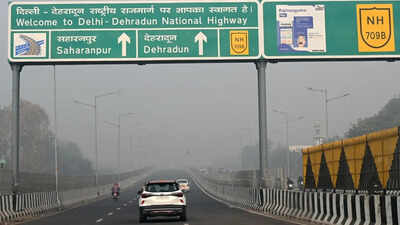
Delhi-Dehradun Expressway opens today! The much awaited Delhi-Dehradun Economic Corridor, that will slash the travel time between the two cities has been inaugurated by PM Narendra Modi today. Built under the National Highways Authority of India (NHAI), the Delhi-Dehradun expressway has several unique features, including a wildlife corridor for easy movement of animals.Before inaugurating the Delhi-Saharanpur-Dehradun expressway, PM Modi reviewed the wildlife passage built along the elevated stretch of the expressway. He then offered prayers at the Maa Daat Kali Temple near Dehradun.Ahead of the inauguration, Uttar Pradesh CM Saharanpur will witness a “historic moment of development, trust and connectivity” as PM Modi dedicates the Delhi-Dehradun Economic Corridor to the nation, calling it a “bridge to New India”.
Delhi-Dehradun Expressway: Top Things To Know
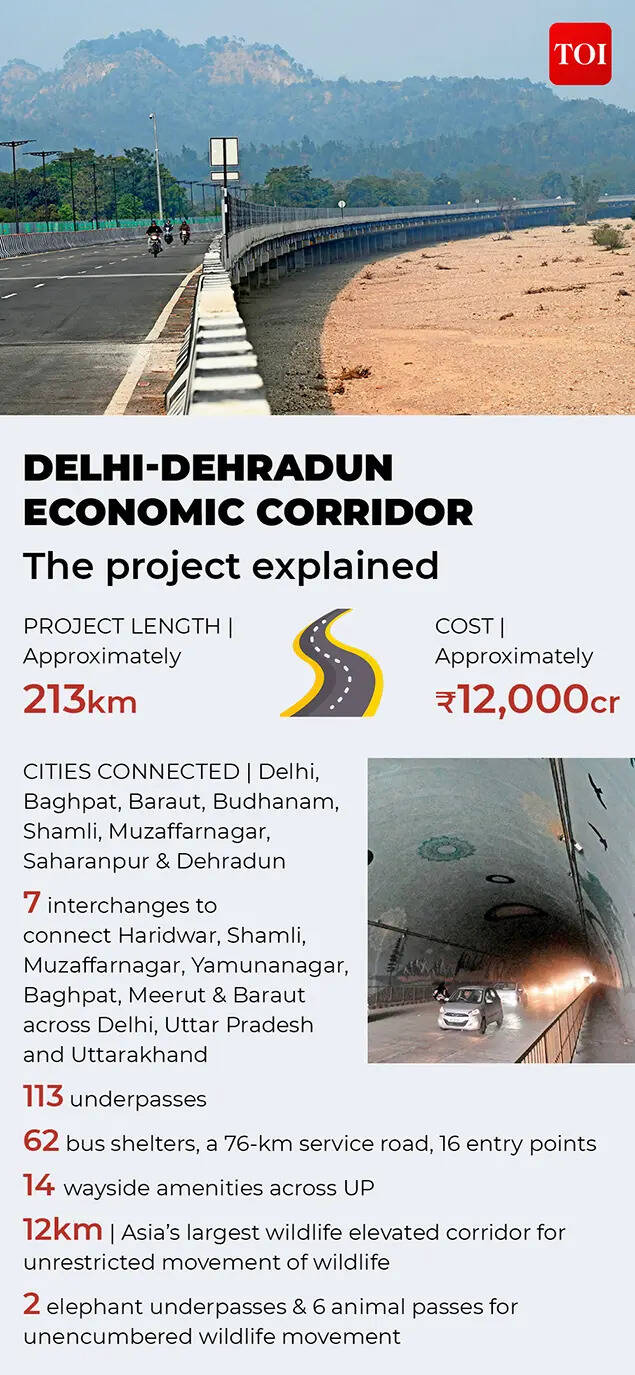
So what’s special about the Delhi-Dehradun Expressway? From travel time, route map to toll, here are top things to know:Delhi-Dehradun Expressway LengthSpanning 213 kilometres, the six-lane, access-controlled corridor has been developed at a cost exceeding Rs 12,000 crore.
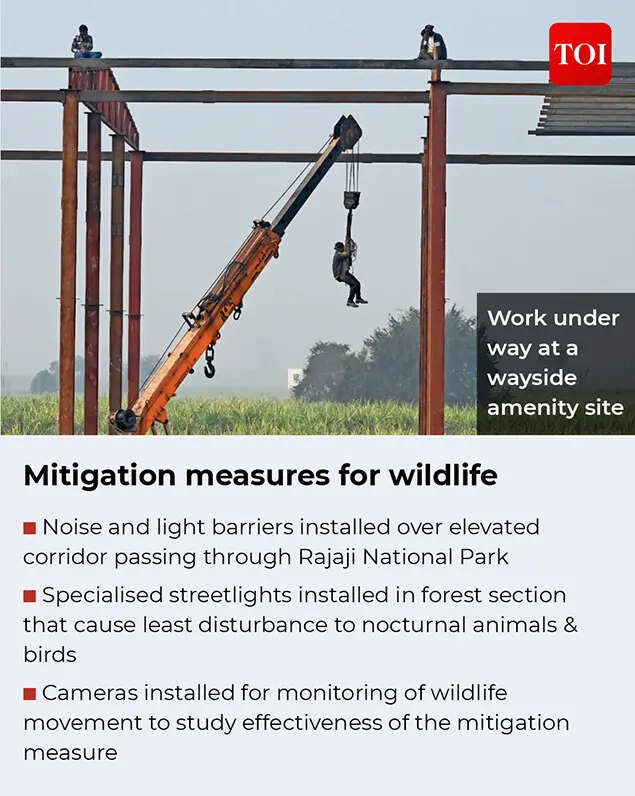
Delhi-Dehradun Expressway Travel TimePassing through Delhi, Uttar Pradesh and Uttarakhand, the route is expected to bring down the current travel time of over six hours to roughly two and a half hours, according to an official statement. While the total distance between Delhi and Dehradun will come down from 235 km to 212 km, the major gain lies in the reduction in travel time.Delhi-Dehradun Expressway Wildlife CorridorIt is said that most technically demanding portion of the Delhi-Dehradun expressway is located near Dehradun, where the route cuts through the ecologically sensitive Rajaji National Park in the Shiwalik Hills. To help animals cross safely, a 12-kilometre elevated wildlife corridor has been constructed between Ganeshpur and Asharodi. This structure, which is supported by widely spaced pillars, is aimed at providing ample space for herds of animals to move without obstruction. It also has a vertical clearance of six meters, which is designed to accommodate even the largest elephants. The wildlife corridor on the Delhi-Dehradun expressway incorporates several other important features. The underpasses have been constructed specifically to prevent animals from colliding with vehicles. The sound barriers have been installed to mitigate traffic noise, and controlled lighting is used to minimize any disturbances to species that are active at night.
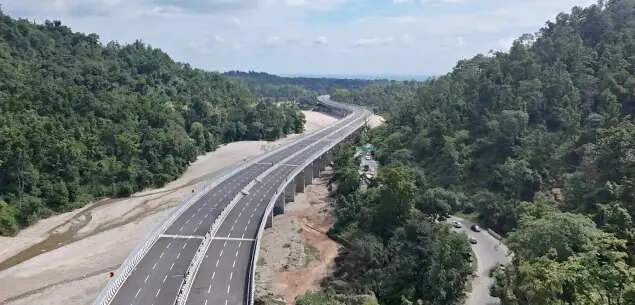
A 340-metre tunnel has also been constructed near the Daat Kali temple by cutting through the hillside, helping reduce the impact on the surrounding landscape.This elevated section, regarded as the longest of its kind in Asia, has recently undergone testing to confirm that wildlife is able to use it as intended.Delhi-Dehradun Expressway RouteThe Delhi-Dehradun Expressway starts from Akshardham Temple in Delhi. Designed for speed and efficiency, the corridor runs through districts such as Baghpat, Muzaffarnagar, Shamli and Saharanpur before entering Uttarakhand.
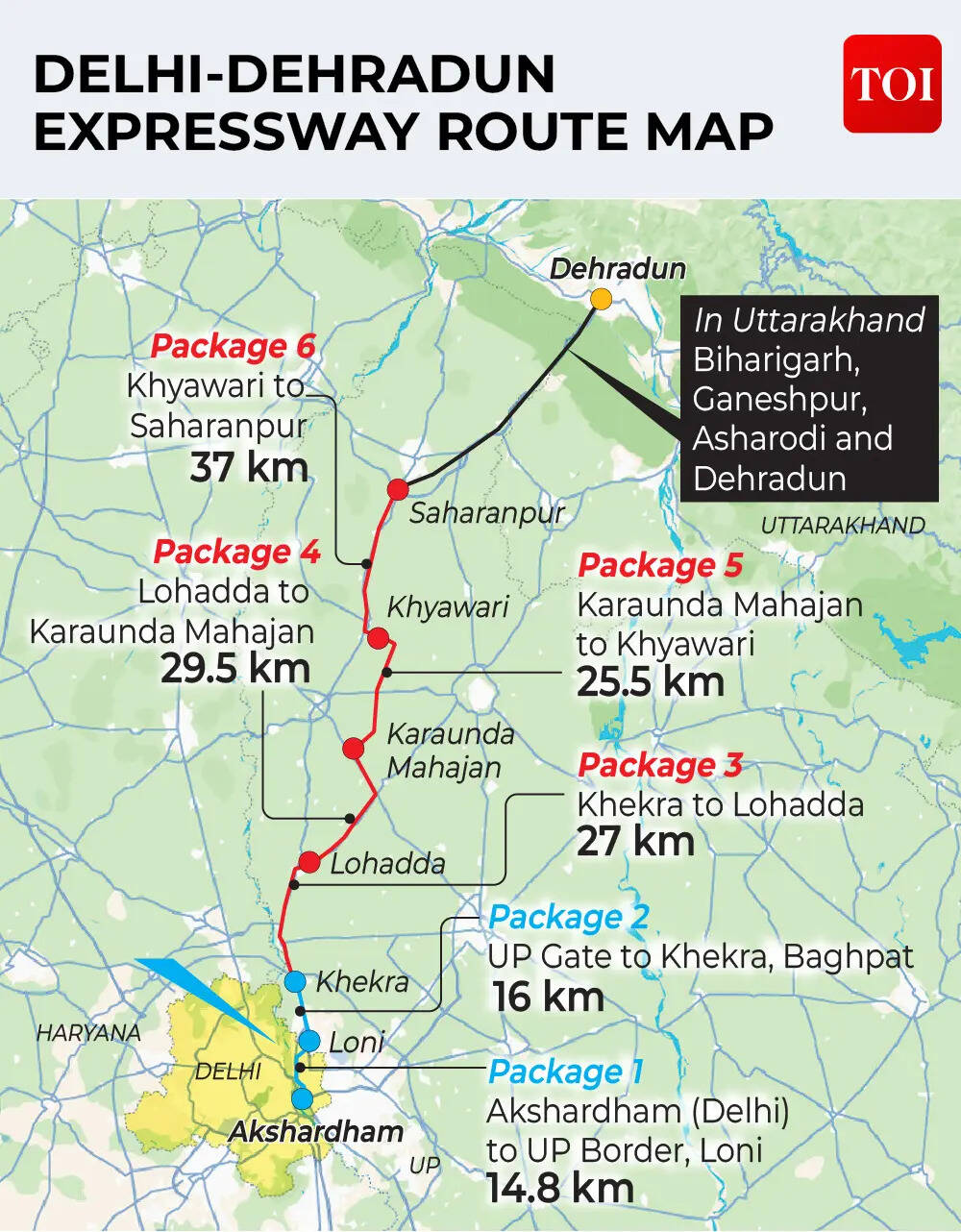
The expressway has been equipped with 113 vehicular underpasses to maintain local connectivity without interrupting fast-moving traffic. It also includes 62 bus shelters, nearly 76 km of service roads, several entry and exit points, and multiple wayside facilities. In addition, provisions such as rainwater harvesting systems and groundwater recharge points have been incorporated at intervals.Delhi-Dehradun Expressway TollThe Delhi-Dehradun Expressway is an access-controlled highway with four toll plazas. While the one way trip cost would be higher, FASTag annual pass users will have to pay a little over Rs 60 for a one way trip through the four toll plazas.Delhi-Dehradun Expressway: Mix of greenfield & brownfieldThe Delhi-Dehradun expressway project has been built following a hybrid construction model. This combines both greenfield and brownfield development. From a planning perspective, the Delhi-Dehradun Economic corridor has been structured under four distinct phases.The first stretch, which covers 31.6 kms from Akshardham in Delhi to Khekra near the Eastern Peripheral Expressway, is largely a brownfield development. In this case, the existing route has been transformed into a six-lane elevated road that is supported by a service lane.The second phase, which extends around 120 kms from the Eastern Peripheral Expressway interchange at Baghpat to the Saharanpur bypass, is entirely a greenfield project.
The third segment spans around 42 kms between the Saharanpur bypass and Ganeshpur in Uttarakhand. The final leg, which is about 20 kms, stretching from Ganeshpur to Dehradun, combines both greenfield and brownfield approaches, with 4.6 kms upgraded from an existing stretch and the rest built afresh.Delhi-Dehradun Expressway Traffic ManagementDelhi-Dehradun Expressway Traffic Management The project features several critical elements designed to facilitate seamless travel. These include ten interchanges, three railway overbridges, four significant bridges, and twelve wayside facilities. To further improve safety and streamline traffic, the corridor is also outfitted with an Advanced Traffic Management System.
Delhi-Dehradun Expressway TourismJourneys to key religious and tourist centres such as Haridwar, the Char Dham route, Dehradun and the hill town of Mussoorie are set to become quicker. With its closeness to Delhi, Dehradun has already begun attracting interest as a preferred location for second homes and longer-term relocation.At the same time, the inclusion of service lanes, underpasses and interchanges ensures that towns along the alignment, including Meerut, Baghpat, Shamli and Yamunagar, remain well connected and are not bypassed by the high-speed corridor.
Poll
Do you support the inclusion of wildlife corridors in road construction projects?
Delhi-Dehradun Expressway BenefitsThe project is expected to boost regional economic activity by improving connectivity between key tourism hubs and commercial centres, while also creating fresh opportunities for trade and development.

Leave a Reply