
3 min readNew DelhiApr 7, 2026 06:00 PM IST
In our teenage years, our bodies undergo multiple changes, new emotions sprout, and for many, our appearance suddenly becomes a subject of attention. From experimenting with hairstyles and wardrobes to feeling the songs a little too intensely, a new chapter begins.
Now, imagine in such a rush of emotions, you notice a receding hairline. Sounds like the end of the world, right? Well, it doesn’t have to be. When we spotted a similarly distressed teen enquiring on online forum Quora, “Why do I have a receding hairline if I’m only 16?”, we decided to seek expert advice.
DISCLAIMER: This article is based on information from the public domain and/or the experts we spoke to. Always consult your health practitioner before starting any routine.

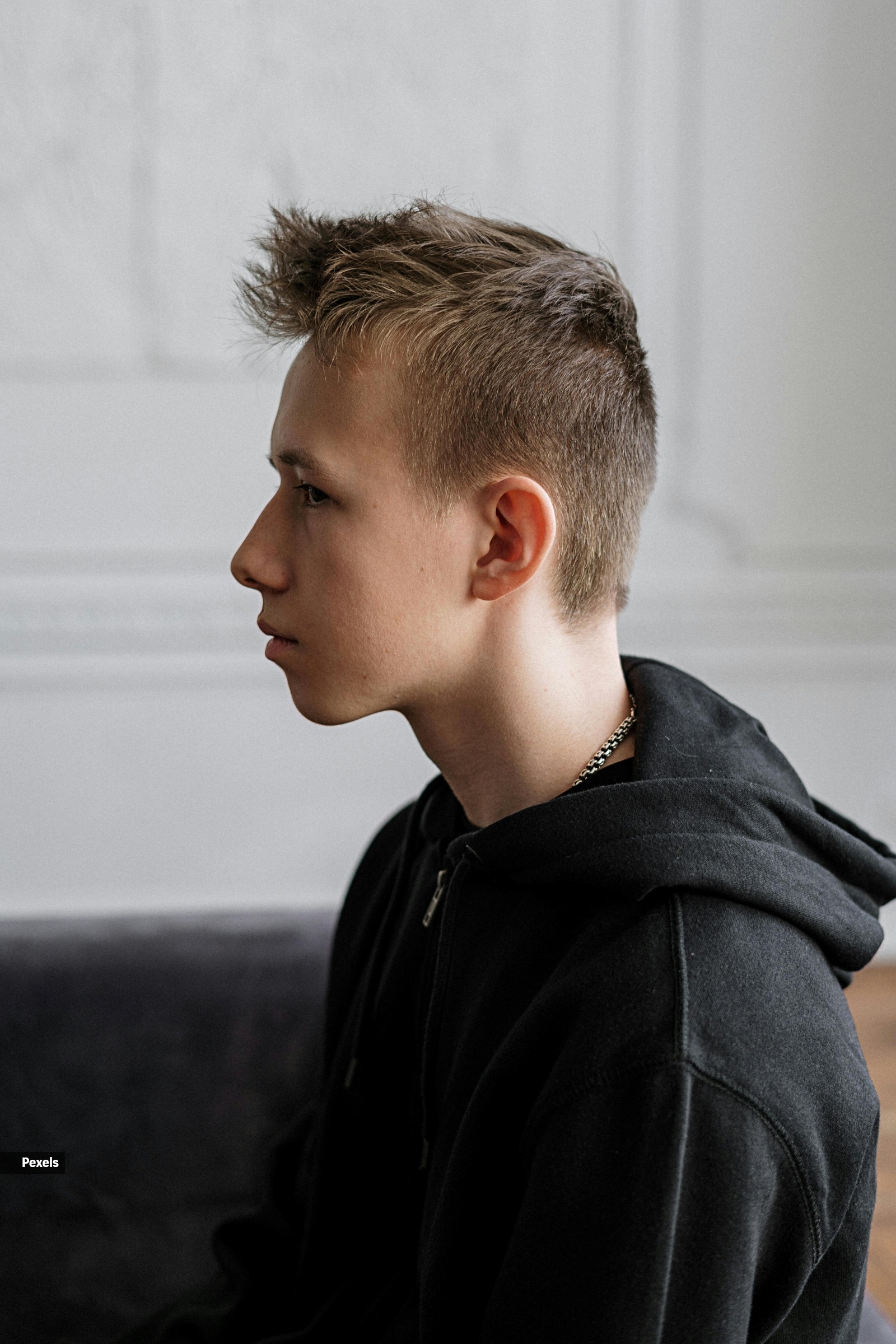 A slight change in the hairline can be normal during teenage years as the face matures, especially in boys (Image: Pexels)
As Dr Shareefa Chause, Dermatologist at Dr Shareefa Skin Care Clinic, Mumbai, tells us, not every change in your hairline at this age is cause for panic.
She explains that “a slight change in the hairline can be normal during teenage years as the face matures, especially in boys.” This natural shift is often referred to as a maturing hairline and can happen gradually as facial structure evolves.
However, there’s a difference between subtle changes and more noticeable ones. “A clearly receding hairline or excessive hair fall may indicate early hair loss and should be checked by a doctor,” she clarifies.
When is it something more than just a ‘maturing hairline’?
When it comes to causes, genetics often plays the biggest role. Early-onset male pattern hair loss can begin sooner than expected, with hair follicles gradually “shrinking” over time. But it’s rarely the only factor at play. Hormonal fluctuations during puberty, ongoing stress, poor nutrition, or even underlying scalp conditions can all contribute to changes in the hairline.
Story continues below this ad
This is why recognising patterns becomes important. A maturing hairline tends to move back slightly in a uniform way and then stabilise, without dramatic thinning. In contrast, early hair loss may feel more sudden, appear uneven—especially around the temples or crown—and be accompanied by increased hair fall.
For teenagers who notice these signs, the dermatologist strongly advises against quick fixes. As Dr Chause puts it, “they should avoid self-medication and consult a dermatologist for proper evaluation.” Alongside medical guidance, she also highlights the importance of maintaining a balanced diet, managing stress, and following gentle hair care practices to support overall hair health.
DISCLAIMER: This article is based on information from the public domain and/or the experts we spoke to. Always consult your health practitioner before starting any routine.

Leave a Reply