
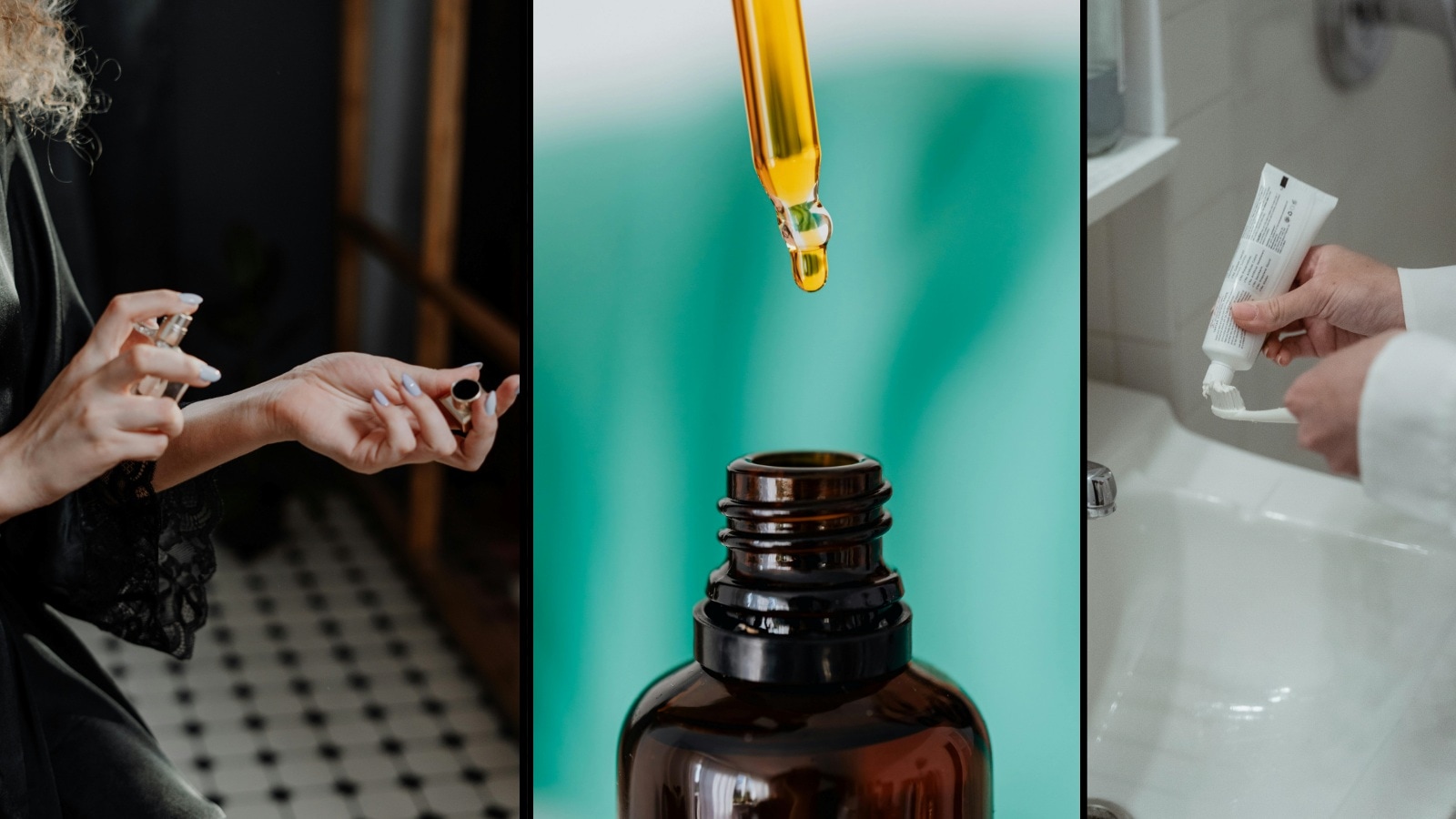
Simple daily habits often shape our long-term health more than we realise. Recently, in an Instagram reel, ENT surgeon Dr Amod Kumar—who has over three decades of experience—shared three things he never does when it comes to nasal and oral hygiene. While he listed these non-negotiables, the surgeon did not provide the reasoning behind them.
“36 Years of ENT Wisdom in 60 Seconds 🩺 What does a veteran ENT Surgeon never do? After 36 years in practice, Dr Amod Kumar shares the three non-negotiable rules he lives by for nasal and oral hygiene. From the hidden impact of perfumes to the one thing he does every single night before bed—these aren’t just tips; they’re a professional blueprint for better health. 👃✨,” his video stated.
Curious to understand the medical reason behind these, we reached out to Dr Pankaj Bansal, Senior Consultant – Internal Medicine, Sharda Care Healthcity, Greater Noida.

DISCLAIMER: This article is based on information from the public domain and/or the experts we spoke to. Always consult your health practitioner before starting any routine.
Avoiding perfumes, deodorants, and powders
Dr Kumar’s first rule—staying away from perfumes, deodorants, and powders—may sound extreme, but there is some reasoning behind it.
“Perfumes, powders, and deodorants are shunned away by many individuals, as they may have chemicals, artificial fragrances, and alcohol, which could cause irritation to the skin, or lead to allergies,” explains Dr Bansal.
People with sensitive skin, asthma, or conditions like dermatitis may experience itching, rashes, or even breathing discomfort after using such products.
However, he also points out that complete avoidance isn’t necessary for everyone. “The use of mild, fragrance-free or even dermatologically tested products is a moderate solution instead of total avoidance unless prescribed by a doctor.” Good hygiene habits—like regular bathing and clean clothing—remain more important than heavy fragrance use.
Story continues below this ad
The idea behind “lubricating” your nose
Another habit Dr Kumar follows is never sleeping without lubricating his nose. This can be beneficial in certain situations.
“This will aid in keeping the nasal passages moist particularly when it is dry or in air-conditioned rooms or during winters,” Dr Bansal explains. It may help reduce dryness, irritation, and even minor nosebleeds, while making breathing more comfortable during sleep.
That said, caution is important. Experts generally recommend saline-based products over oils, as oils may carry a small risk if inhaled into the lungs over time. This habit is not essential for everyone, but can help those prone to nasal dryness or sinus discomfort.
Why nighttime oral care matters more than you think
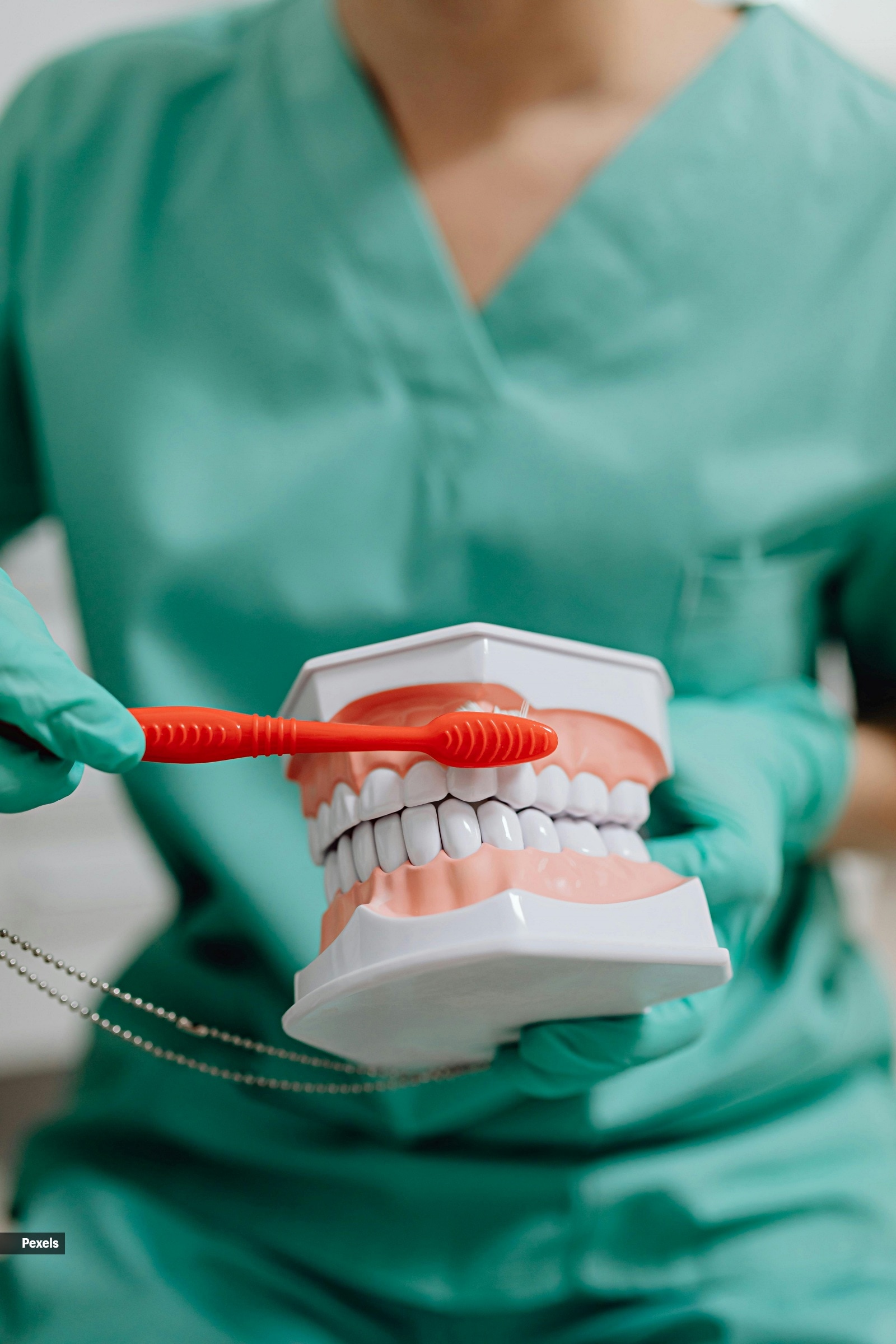 Night brushing helps to remove food particles and plaque accumulated all day — which may otherwise cause tooth decay, cavities, bad breath and gum diseases (Image: Pexels)
The third habit—never going to bed without brushing, flossing, rinsing, and gargling—is strongly supported by medical science.
Story continues below this ad
“It is very crucial to observe oral hygiene before going to sleep, which leads to health benefits of the mouth and body,” says Dr Bansal. Night brushing removes plaque and food particles, while flossing cleans areas a toothbrush cannot reach.
He further explains, “Saliva production slows down during sleep, and this means that bacteria multiply more easily- this makes evening cleaning even more necessary.” Rinsing and gargling help reduce germs in the mouth and throat.
Poor oral hygiene doesn’t just affect teeth—it has been linked to broader health concerns like infections, heart disease, and complications in diabetes.
In the end, while not all of Dr Kumar’s habits need to be followed strictly, they highlight a simple truth: small, consistent routines can make a big difference to your overall health.
Story continues below this ad
DISCLAIMER: This article is based on information from the public domain and/or the experts we spoke to. Always consult your health practitioner before starting any routine.

Leave a Reply