
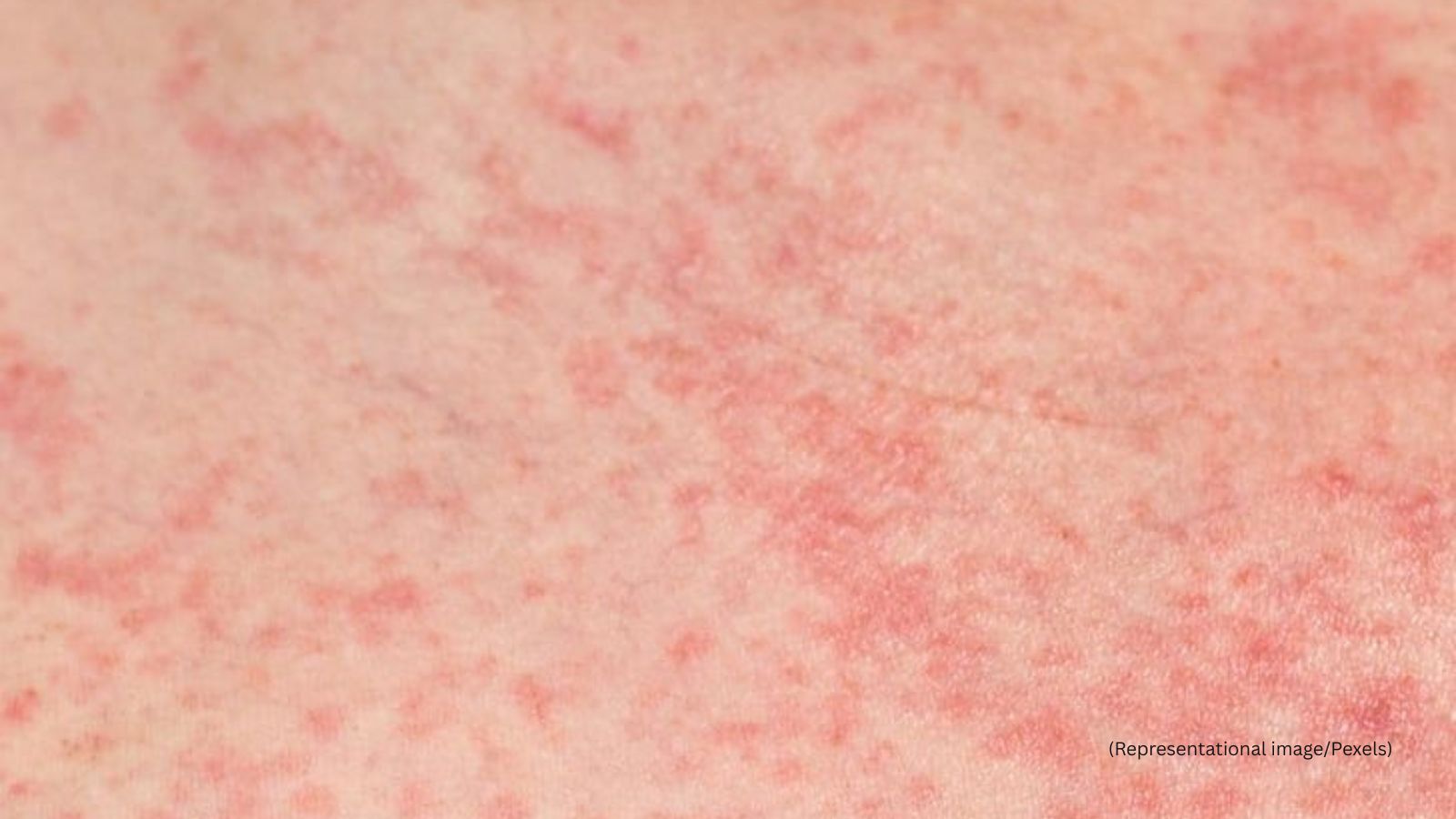
After a brief winter, North India is all set to brave a hot summer. Rising temperatures often trigger several skin problems, including heat rash, one of the most common. Health experts say rising heat and humidity can block sweat ducts, leading to irritation and small bumps on the skin.
“Heat rash or prickly heat or miliaria is a condition that arises when the sweat gets stagnant under the skin because of the blocked sweat ducts. Sweat is produced in excess during a very hot and humid climate as a way of making the body cool,” Dr Prabhat Ranjan Sinha, Senior Consultant- Internal Medicine, Aakash Healthcare, explained.
Dr Sinha further emphasised that heat rash commonly appears in areas where sweat collects or where skin folds occur, such as the neck, chest, back, underarms and groin.

DISCLAIMER: This article is based on information from the public domain and/or the experts we spoke to. Always consult your health practitioner before starting any routine.
“Had on tight clothes, perspiration, stickiness and rubbing of skin and material may further plug in the sweat holes and exacerbate the situation,” he said, adding that babies, outdoor workers and people exposed to prolonged heat are particularly vulnerable.
Heat rash or hives?
Dr Singh also stressed that heat rash should not be confused with allergic reactions such as hives. Unlike hives, heat rash is not contagious. “Heat rash is not contagious. It evolves as a result of blocked ducts of perspiration, over-sweating and not infection or person-to-person transmission,” he said.
He explained that heat rash typically appears as tiny red or clear bumps accompanied by a prickly or stinging sensation, especially in sweat-prone areas like the neck, chest or underarms.
“Hives, on the contrary, are swollen bumps that are raised and come out unexpectedly as a result of an allergic reaction or as a response to the immune system. They are normally large, pale in the middle, highly itchy and may be located anywhere on the body. Hives are also able to move across the skin, change shape and usually clear in a few hours, unlike heat rash,” he added.
Story continues below this ad
With Delhi experiencing one of its hottest March months in decades, Dr Sinha advised people to limit exposure to heat and keep their skin cool and dry. “Under extreme temperatures, it is necessary to avoid excessive skin sweating and maintain the coolness and dryness of the skin in order to prevent heat rash. It is not advisable to spend long periods in direct sunlight, especially in the afternoon, when temperatures may be at their highest. Being in a well-ventilated or a/c climate will contribute to the decrease of sweat, and the obstruction of sweat ducts will not occur,” he explained.
He also recommended regular cool or lukewarm showers to keep the skin clean and cool.
Foods to prevent heat rash
Hydration and diet can also play an important role in preventing heat-related skin problems. Dr Sinha suggested consuming foods that help cool the body and maintain fluid balance.
“Eating water food like cucumber, watermelon, muskmelon, coconut water, citrus fruits is very beneficial to keep the body hydrated and aid in cooling down the body when the weather is very hot. The food is also useful in replacing fluid loss that occurs through sweat,” he shared.
Story continues below this ad
Home remedies for heat rash
Certain household remedies, such as aloe vera gel and sandalwood paste, may also help soothe irritated skin.
“Aloe gel is also cool and anti-inflammatory, and could be used to soothe aggravated skin. Redness and discomfort can also be minimised using sandalwood paste or calamine preparations. Adding a little baking soda or oatmeal to the bathwater or taking cool baths can also help to alleviate the irritated skin and help the wound to heal faster,” Dr Sinha said.
Clothing choices are another key factor in preventing heat rash. Synthetic fabrics can trap heat and moisture against the skin, increasing irritation. “Clothes and synthetic materials like polyester, nylon and rayon may get stuck and surrounded with heat as well as moisture on the skin, thus causing more sweating and even blocking sweat ducts. The materials also decrease the amount of airflow and can exacerbate irritation and itch,” he said.
He also advised choosing lightweight and breathable fabrics instead. “Lightweight clothing facilitates movement of air over the skin, enabling the evaporation of sweat naturally and eliminating the chances of the blockage of sweat ducts,” he said, adding, “It is also possible to make sure that the heat rash is not worsened in hot weather by keeping clothes clean and dry and swapping sweat-dipped clothes as quickly as possible.”
Story continues below this ad
DISCLAIMER: This article is based on information from the public domain and/or the experts we spoke to. Always consult your health practitioner before starting any routine.

Leave a Reply