

4 min readNew DelhiUpdated: Mar 13, 2026 03:55 PM IST
Heart disease has become increasingly common in India. According to a 2020 study published in the National Library of Medicine, titled Cardiovascular disease in India: A 360 degree overview, “Cardiovascular diseases (CVDs) strike Indians a decade earlier than the Western population.2 For us Indians, particular causes of concern in CVD are early age of onset, rapid progression and high mortality rate. Indians are known to have the highest coronary artery disease (CAD) rates, and the conventional risk factors fail to explain this increased risk.”
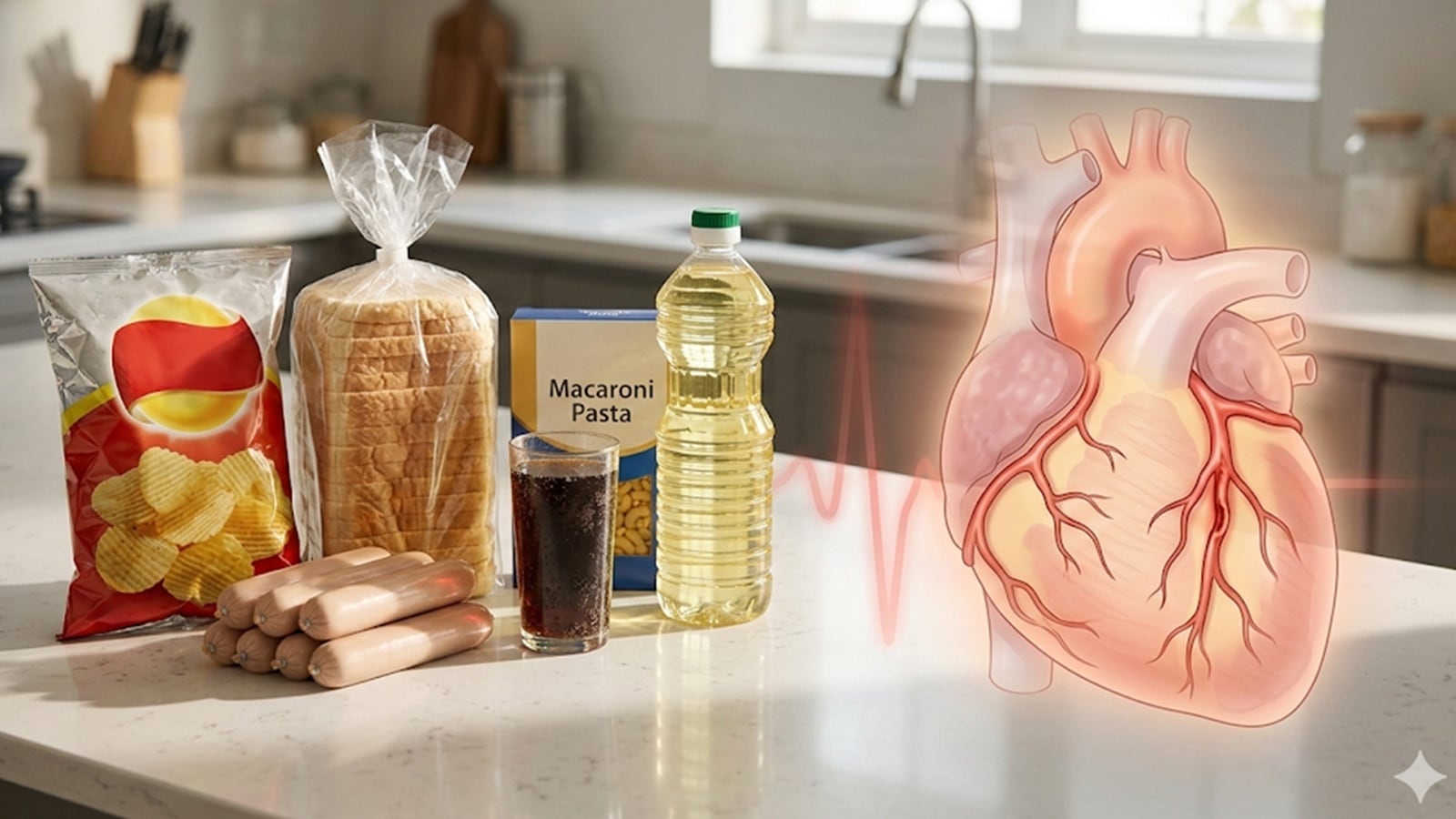
The roots are planted years earlier, often through daily dietary habits. Small, repeated food choices can gradually influence inflammation, insulin resistance, visceral fat accumulation, and arterial health, sometimes without obvious warning signs. Dr Brijmohan Arora, a diabetologist from New Delhi, recently highlighted what he considers five major dietary mistakes that may raise the risk of heart attacks in an Instagram post.
DISCLAIMER: This article is based on information from the public domain and/or the experts we spoke to. Always consult your health practitioner before starting any routine.
In the caption accompanying his post, he mentioned the following foods to avoid:
❌ Seed oils
❌ Ultra-processed / packet food
❌ Sugary drinks
❌ Refined grains (bread, pasta, white flour)
❌ Processed meats
“If you fix metabolism, you reduce risk,” he wrote.
So, how strong is the scientific evidence linking the listed foods directly to heart attack risk?
Dr Jagadish Hiremath, a public health intellectual, tells indianexpress.com, “The scientific evidence linking diet to cardiovascular disease is strong, but it is important to understand that risk comes from overall dietary patterns rather than single foods in isolation. Large population studies and meta-analyses consistently show that high intake of processed meats and refined carbohydrates is associated with increased risk of heart disease due to higher levels of saturated fats, sodium, preservatives, and rapid blood sugar spikes that promote metabolic dysfunction.”
When it comes to seed oils, he notes that the evidence is more nuanced. “Most clinical data suggest that replacing saturated fats with unsaturated fats, including those found in commonly used vegetable oils, can actually reduce LDL cholesterol and cardiovascular risk when consumed in moderation.” This is supported by a 2025 article published by Standford Medicine which mentions Christopher Gardner, PhD, the director of nutrition studies at the Stanford Prevention Research Center who has conducted extensive research on the impact of oil and fat consumption on health. He told the author of the article, “Every study for decades has shown that when you eat unsaturated fats instead of saturated fats, this lowers the level of LDL cholesterol in your blood.” He stressed that most claims suggesting that seed oils are harmful are largely misguided. Broader dietary changes such as cutting down on ultra-processed foods and ensuring adequate intake of fruits and vegetables are likely to offer far greater health benefits than worrying excessively about the type of oil used.
“Problems arise when these oils are repeatedly reheated or consumed primarily through ultra-processed foods,” noted Dr Hiremath. Quantity, cooking method, and overall dietary balance matter significantly.
Dr Hiremath says that occasional consumption within an otherwise balanced diet “is unlikely to meaningfully increase heart attack risk, whereas frequent intake combined with a sedentary lifestyle, smoking, and obesity substantially raises risk over time.”
Story continues below this ad
Role of insulin resistance and chronic inflammation in the development of heart disease
Insulin resistance and chronic low-grade inflammation are central drivers of modern cardiovascular disease. “When the body becomes resistant to insulin, blood glucose and insulin levels remain persistently elevated, which damages the blood vessel lining, promotes plaque formation, and accelerates atherosclerosis. At the same time, chronic inflammation destabilises existing plaques, making them more likely to rupture and trigger heart attacks,” states Dr Hiremath.
The encouraging aspect is that both processes are highly modifiable. Dr Hiremath mentions that dietary improvements “such as reducing refined sugars, limiting ultra-processed foods, increasing fibre intake, and incorporating healthy fats from nuts, seeds, and fatty fish can improve insulin sensitivity within weeks to months.” Weight reduction, regular physical activity, and adequate sleep further amplify these benefits.
DISCLAIMER: This article is based on information from the public domain and/or the experts we spoke to. Always consult your health practitioner before starting any routine.

Leave a Reply