
4 min readNew DelhiMar 2, 2026 09:00 PM IST
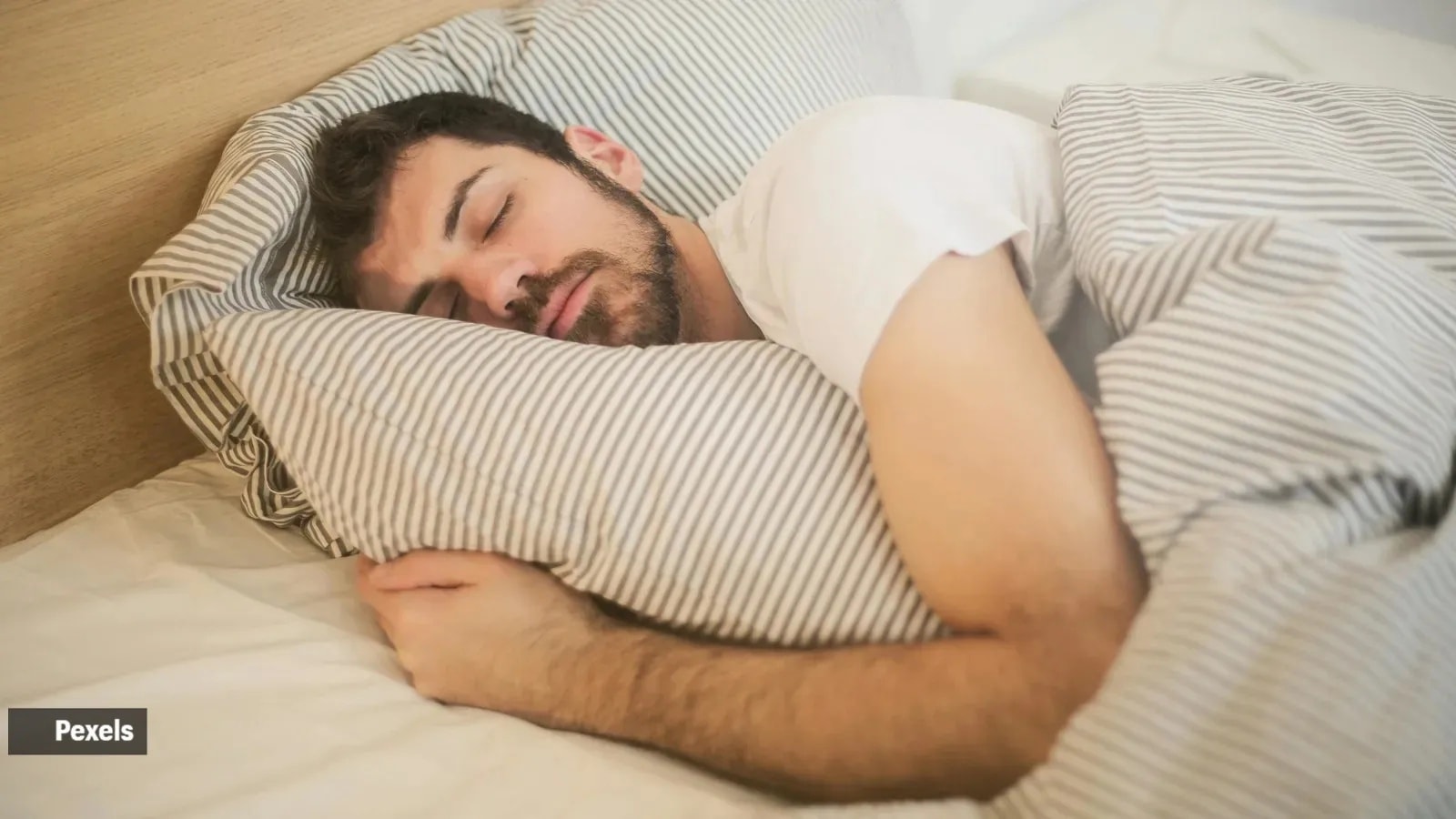
Sleep is all about relaxation. But it’s easier said than done. If you, too, have been facing issues with sleep recently, the ‘puppy paws trick’ — a position where you lie on your stomach and tuck your hands under the chest — may offer some respite. But does it really help one fall asleep? Let’s find out from experts.
Dr Sheetal Goyal, consultant neurologist, Wockhardt Hospitals, Mumbai Central, said that mimicking how a puppy dozes off by focusing on complete stillness, slowing their breathing, and relaxing the body can actually be quite effective for improving sleep onset.
“While it’s not a medically proven method, it closely aligns with what we know about sleep science and relaxation techniques. When you cannot fall asleep, the key is to reduce physical movement and mental stimulation. By lying still, consciously relaxing your muscles, and breathing slowly, you’re signalling to your nervous system that it’s safe to wind down,” said Dr Goyal.
Consultant neurologist Dr Sudhir Kumar, Apollo Hospitals, Hyderabad, also said that no scientific study has evaluated the ‘puppy paws trick’ for improving sleep quality.
“However, it is likely to be effective in helping some people overcome their sleep problems. The puppy paws trick involves curling into a fetal-like position with knees drawn up, arms bent or tucked close to the chest, and keeping hands near the face or under the chin, resembling a puppy’s paws. This posture could feel comforting, as it is compact and might evoke a sense of security, similar to how puppies (and humans) instinctively curl up when resting,” said Dr Kumar.
The fetal position (knees up, arms tucked) is one of the most common sleep postures, reported by about 40 per cent of adults in surveys.
“It can feel protective and cosy, which may reduce anxiety—a key barrier to sleep,” said Dr Kumar.
According to Dr Kumar, mimicking a puppy’s posture might tap into playful or nostalgic feelings, distracting you from racing thoughts — a common insomnia trigger.
Story continues below this ad
“Visualisation techniques (like imagining yourself as a cosy puppy) paired with this posture could enhance relaxation, as mindfulness-based sleep interventions show a 10-20 minute reduction in sleep onset time for mild insomniacs,” said Dr Kumar.
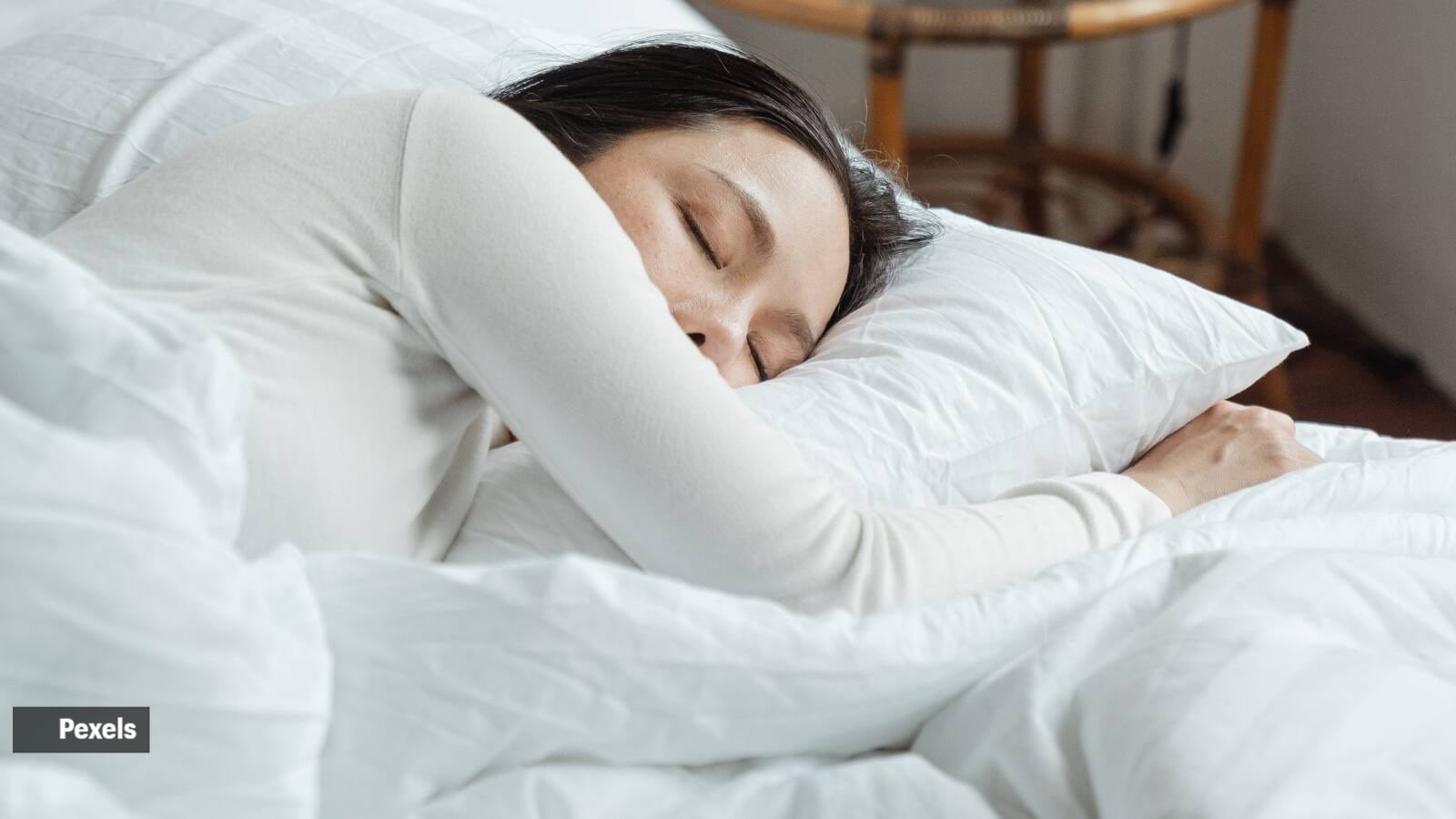 What is your mantra for good sleep? (Photo: Pexels)
The simplicity of the ‘puppy paws trick’ also makes it accessible—no special tools or settings are required, just your body and a calm intention. That said, if sleeplessness is frequent, it’s essential also to address lifestyle factors such as screen time, caffeine intake, stress levels, and sleep environment.
Dr Kumar said that if sleep disturbance is related to nerve pain, obstructive sleep apnea, restless legs syndrome, or anxiety, it is important to address the underlying cause to achieve a long-lasting solution.
“In addition, people with pre-existing neck, lower back, or spine diseases, or those with joint pains or Obstructive Sleep Apnea need to be careful in adopting the ‘puppy paws trick’ and should consult their doctor first,” advised Dr Kumar.
Story continues below this ad
DISCLAIMER: This article is based on information from the public domain and/or the experts we spoke to. Always consult your health practitioner before starting any routine.

Leave a Reply