
5 min readUpdated: Feb 10, 2026 02:07 PM IST
Imagine an overlooked key to India’s economic boom, one that’s not about shiny new tech or massive infrastructure projects. What if it’s something much more personal, something we all deal with every day- our health.
A recent study by The Economist Impact, supported by Haleon, showcases that helping people understand and manage their health better – what we call “health literacy” – could unlock billions in savings and skyrocket productivity across the country.
Health Literacy: The $12 Billion Opportunity for India
The Health Inclusivity Index 2025 found that if India simply reduces low health literacy by 25%, we could save a whopping $12 billion every single year. The explanation for this significant figure is quite straightforward: those who lack a comprehensive understanding of health information tend to spend almost triple the amount on healthcare compared to their more health-literate peers.
When people know how to prevent illnesses, spot early symptoms, and handle common health issues, everyone wins – from individual families to the entire nation. Understanding ‘health literacy’ is crucial- it can be defined as our ability to access and understand health information effectively.
This crucial skill is often ignored when we talk about economic success. However, it is a critical determinant of both public health outcomes and national productivity.
Why Health Literacy Matters
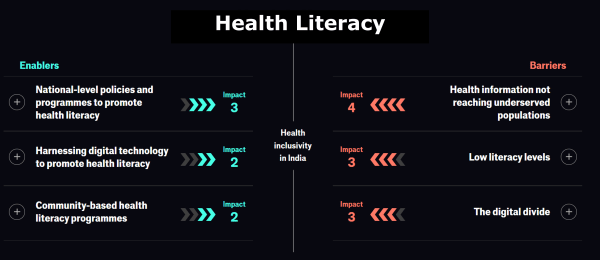
The study, which looked at 40 countries, highlighted something important: certain groups – like women, lower-income families, older adults, and those struggling with health information – carry a heavier burden of poor health.
By empowering these communities with the right health knowledge, we can significantly address the burden of preventable diseases, reduce treatment costs (both direct and indirect), and enable more people to participate in the workforce.
Story continues below this ad
For a nation such as India, where illness results in significant productivity losses, this is not merely a beneficial concept but a strategic imperative to foster widespread prosperity.
Let’s dive into some specific areas where better health understanding can make a huge difference:
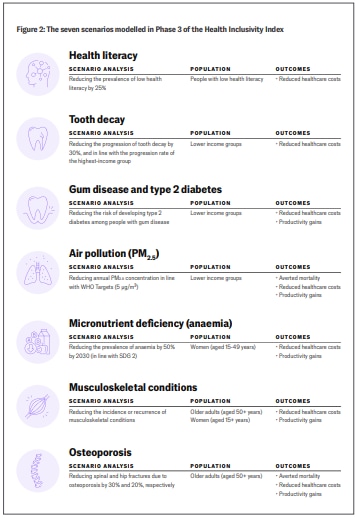
- Air Quality – Breathe Better, Work Better: Clean air isn’t just healthy – it’s profitable. Reducing pollution can prevent chronic diseases, cut medical costs, and boost workforce productivity, potentially adding $12 billion to India’s economy annually.
- Anaemia – Healthy Women, Thriving Economy: Addressing anaemia in women boosts energy, work participation, and economic output. Meeting global targets could gain $8.7 billion a year and recover millions of lost workdays.
- Oral hygiene delivers more than a bright smile: Prevalence of tooth decay is higher among low-income groups who have limited access to oral care solutions and knowledge. Managing tooth decay and cavities through preventive care costs much less than its treatment through root canals or fillings. Investing in quality dental care solutions and the correct oral care habits doesn’t just promise healthy teeth but also long-term economic savings.
- The relation between healthy gums and diabetes: Managing gum disease lowers the risk of type 2 diabetes and cuts healthcare costs, especially among low-income groups. $ 3.5bn of costs associated with type 2 diabetes could be saved over 10 years by managing gum disease effectively.
- Persistent sprains and aches eventually deplete economies: Musculoskeletal problems like back pain, significantly lowers quality of life for older adults (50+) and women (15+), bringing down overall productivity of the workforce. $1.3bn and $2.0bn can be gained annually by managing musculoskeletal conditions in older people and women, respectively.
Health Inclusion: An Economic Game-Changer
There is a growing recognition that improving access to health information and preventive services constitutes not merely a commendable objective, but a crucial, long-term strategic investment in a nation’s future.
Story continues below this ad
Most recently in its third phase of research, the Health Inclusivity Index underscores the significance of enhancing health literacy and stimulating everyday self-care in mitigating inequality and boosting productivity for comprehensive societal and economic improvement.
For India, integrating health literacy into public policy, educational initiatives, and community programs holds the potential for profound transformation. A healthier population fuels higher productivity, reduces inequality, and lays the foundation for long-term, inclusive economic growth. Investing in health literacy today is investing in India’s prosperous tomorrow.
About Haleon India (erstwhile GlaxoSmithKline Consumer Healthcare)
Haleon in India is a leading fast-moving consumer healthcare company with a clear purpose to deliver better everyday health with humanity. Currently, Haleon India is operating in oral care, digestive health, pain management and respiratory, and Vitamin Mineral Supplement with iconic brands such as Sensodyne, Eno, Centrum, Parodontax, Iodex, Otrivin, Ostocalcium, Polident, and Crocin.
Disclaimer
This content is sponsored and does not reflect the views or opinions of IE Online Media Services Pvt Ltd. No journalist is involved in creating sponsored material and it does not imply any endorsement whatsoever by the editorial team. IE Online Media Services takes no responsibility for the content that appears in sponsored articles and the consequences thereof, directly, indirectly or in any manner. Viewer discretion is advised.

Leave a Reply