
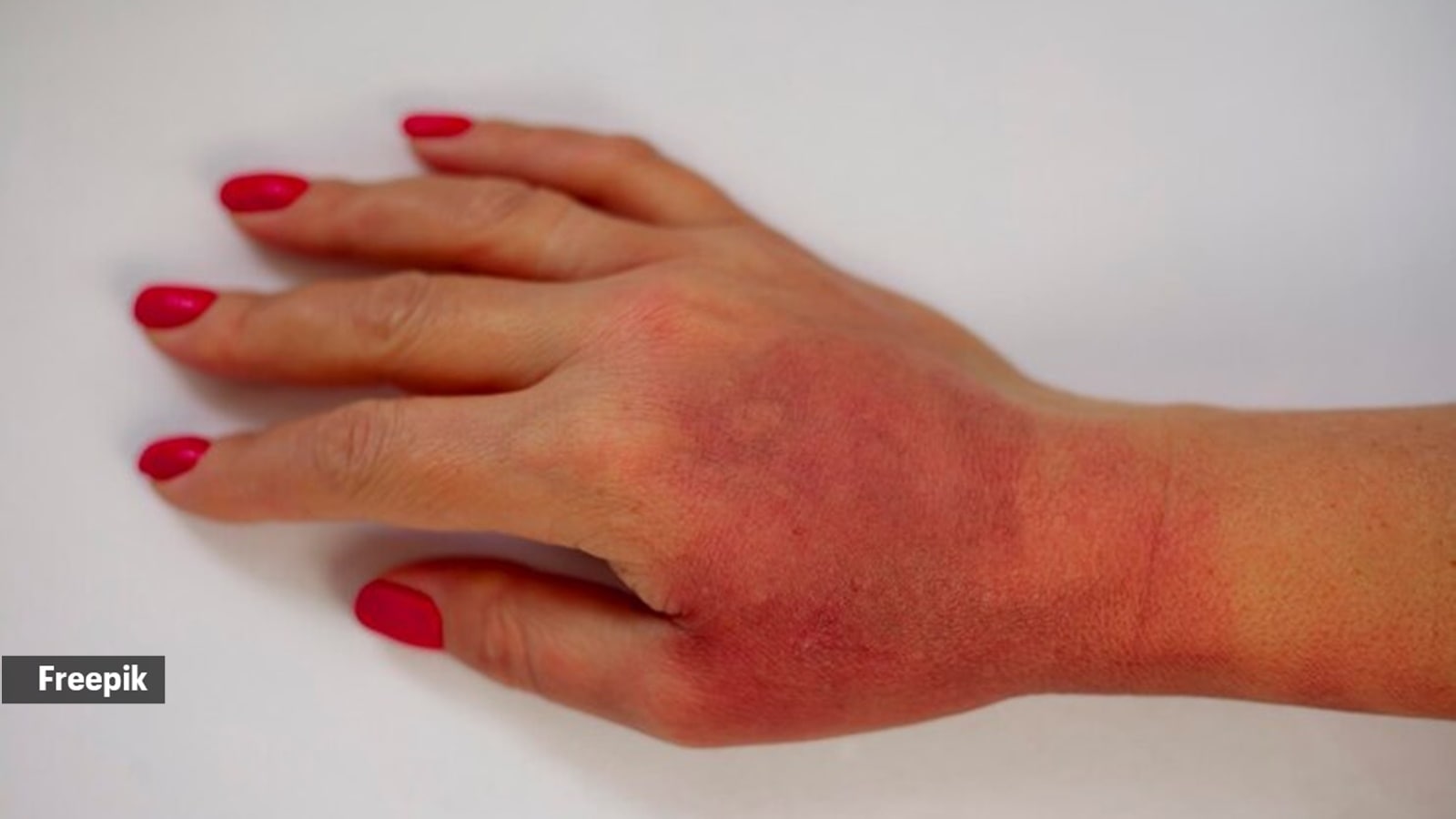
When it comes to treating burns, many people’s first instinct is to reach for ice to soothe the pain and cool the affected area. However, this common practice, despite its widespread acceptance, can actually do more harm than good.
According to a reel by Dr Priyanka Sehrawat, “If you have a burn on any part of your body then you should not apply ice on it.”
But, what is the reason behind this?
Dr Gunasekar Vuppalapati senior consultant Aesthetic, Reconstructive and Plastic Surgery at GVG Invivo Hospital Bengaluru, explains, “When ice is applied to burnt skin, it causes blood vessels to constrict, reducing blood flow to the affected area. This response, known as vasoconstriction, can limit the delivery of essential nutrients and oxygen necessary for the healing process.”
He adds that according to a study published in the Journal of Burn Care and Research, “this immediate reaction can exacerbate the injury by deepening the burn and potentially causing frostbite, which further damages the skin and underlying tissues.”
Applying extreme cold to burnt skin can also impair cellular function and metabolic processes crucial for healing, Dr Vuppalapati says . “The reduced blood flow can lead to hypoxia (oxygen deficiency) in the tissues, hindering the repair and regeneration of damaged cells. This can delay wound healing and increase the risk of complications.”
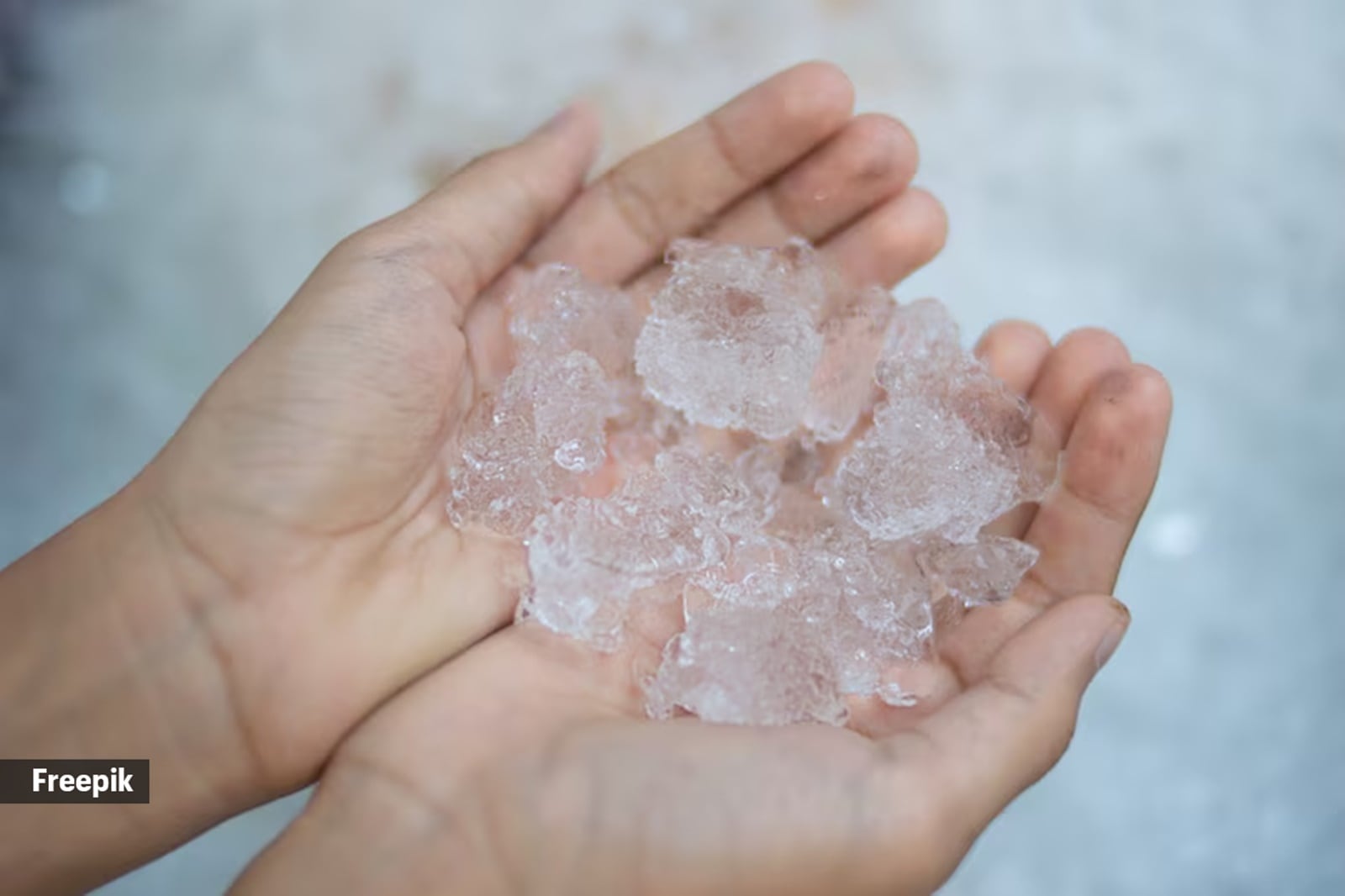 Ice can cause frostbite, which occurs when tissues freeze and form ice crystals (Source: Freepik)
Potential risks or complications associated with using ice on burns
The primary risk of applying ice to a burn, Dr Vuppalapati says, is the potential for additional tissue damage. Ice can cause frostbite, which occurs when tissues freeze and form ice crystals, leading to cell rupture and death. This can significantly worsen the initial burn injury and complicate treatment.
He continues, ‘The extreme cold can exacerbate pain rather than providing relief. The sudden temperature drop can cause a shock to the system, leading to increased pain and discomfort for the individual. Applying ice can disrupt the natural barrier function of the skin, increasing the risk of infection.”
Recommended first aid steps for treating burns
Dr Vuppalapati recommends the following first aid steps for treating burns instead of applying ice:
Story continues below this ad
Cool the Burn
Immediately cool the burn with cool (not cold) running water for at least 10-20 minutes. This helps dissipate heat, reduces the severity of the burn, and provides pain relief. Cooling with water is preferred because it gently lowers the skin temperature without causing further damage.
Protect the Burn
After cooling, cover the burn with a sterile, non-adhesive bandage or a clean cloth. This protects the area from infection and further injury. Sterile dressings also help maintain a moist environment, which is conducive to healing.
Avoid Ice
Avoid using ice, ice water, or very cold water. The risk of additional tissue damage and delayed healing far outweighs any potential benefit. The focus should be on gentle cooling and protection.
Pain Management
Over-the-counter pain relievers such as ibuprofen or acetaminophen can help manage pain and inflammation. These medications reduce the body’s inflammatory response, providing relief and aiding the healing process.
Story continues below this ad
Seek Medical Attention
For more severe burns, such as those with blistering, charred skin, or burns larger than the size of the palm, seek immediate medical care. Medical professionals can assess the severity of the burn and provide appropriate treatment to prevent complications.

Leave a Reply