
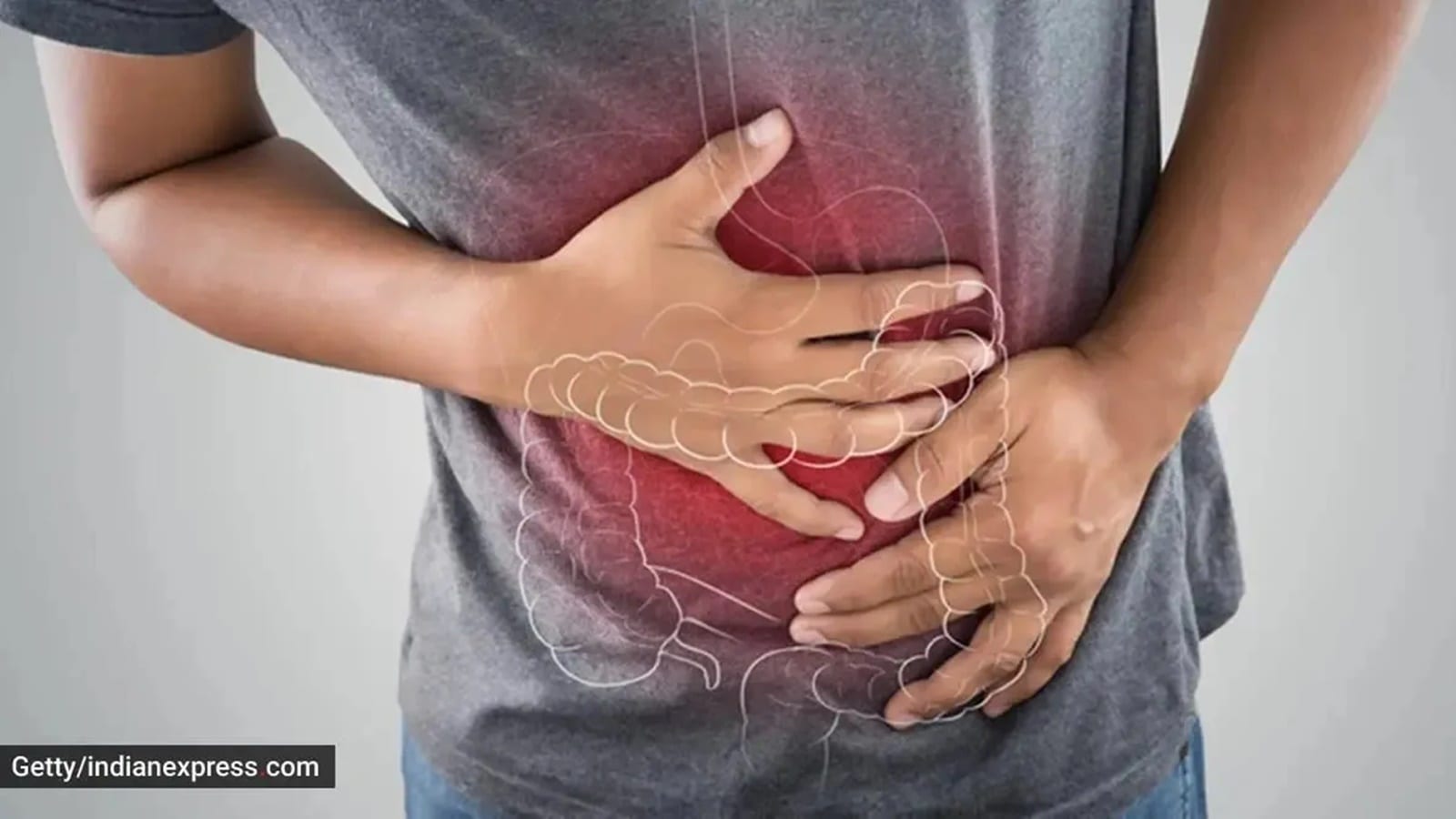
Many people believe that fibre is always good for digestion, but for someone with an inflamed gut, it can feel like rubbing sandpaper on a fresh wound. That’s how Davida Syne, a gut and hormonal coach, described it in an Instagram post. “For someone with gut issues, eating fibre is like taking sandpaper and rubbing it on an open wound. When your mucosa is inflamed and your motility is sluggish, fibre sits, ferments….hello BLOATING, GAS and CONSTIPATION! And the tragic part is.. you keep unknowingly adding more of the thing your gut is begging you to pause,” she said, adding that it is about stabilising the gut first so it can actually tolerate fibre later.
Taking a cue from her, we turned to Dr Saiprasad Girish Lad, consultant gastroenterologist, hepatologist, and therapeutic GI endoscopist at Wockhardt Hospitals, Mumbai Central, to learn more about fibre.
 When the gut lining is irritated and movement in the intestines slows down, fibre tends to sit, ferment, and create more gas and bloating, said Dr Lad. “This is why some people feel worse when they increase salads, lentils, or other high-fibre foods. Knowing what the gut can and cannot tolerate during a flare makes recovery easier,” said Dr Lad.
Why does fibre make gut symptoms worse during inflammation?
Story continues below this ad
Fibre is indigestible, which means the body cannot break it down. “This works well when the gut is healthy because it helps form bulk and supports bowel movements. But when the lining is already inflamed and motility is sluggish, that same fibre stays in the system too long. It ferments, builds gas, and puts pressure on the irritated intestinal walls. This is why people often experience bloating, cramps, or constipation even when they think they’re eating correctly,” said Dr Lad.
 Here’s what you should consider about fibre (Photo: Freepik)
Is reducing fibre the right step to tackle gut flare-ups?
Story continues below this ad
According to Dr Lad, for many people, stopping fibre helps the gut settle. “When the digestive lining gets a break from rough textures and fermentation, swelling reduces and movement slowly improves. Once the inflammation calms down, fibre can be reintroduced gradually. It’s like letting a wound heal before applying friction again. The goal isn’t to avoid fibre forever, but to bring it back only when the gut is ready,” said Dr Lad.
Why do fats and salt help during this phase?
Healthy fats like ghee, olive oil, nuts, or seeds help lubricate the intestines and encourage smoother bowel movements, shared Dr Lad. “Salt supports hydration inside the gut, which is important because digestion slows when the body is dehydrated. Many people, especially women concerned about weight gain, tend to limit fat. But adding healthy fats often helps digestion, metabolism, and overall hormonal balance get back on track,” said Dr Lad.
What should someone keep in mind if they struggle with gut sensitivity?
Story continues below this ad
The first step is to notice what triggers discomfort, like raw foods, too much fibre, heavy meals, or irregular eating patterns. “Giving the gut a break with gentler foods for a short time can help restore normal movement. Staying hydrated, having enough salt, and including moderate fats are often more helpful during this phase than excess fibre. Once the gut lining feels calmer and gas reduces, soft, cooked, and easy-to-digest fibre can be added back slowly,” said Dr Lad.
What helps in the long-term?
The goal is to create an environment where digestion can work smoothly again. “This comes from balanced meals, consistent routines, stress management, and foods that the body can digest easily. Fibre remains important, but only when the gut is stable enough to handle it,” said Dr Lad.
DISCLAIMER: This article is based on information from the public domain and/or the experts we spoke to. Always consult your health practitioner before starting any routine.

Leave a Reply