
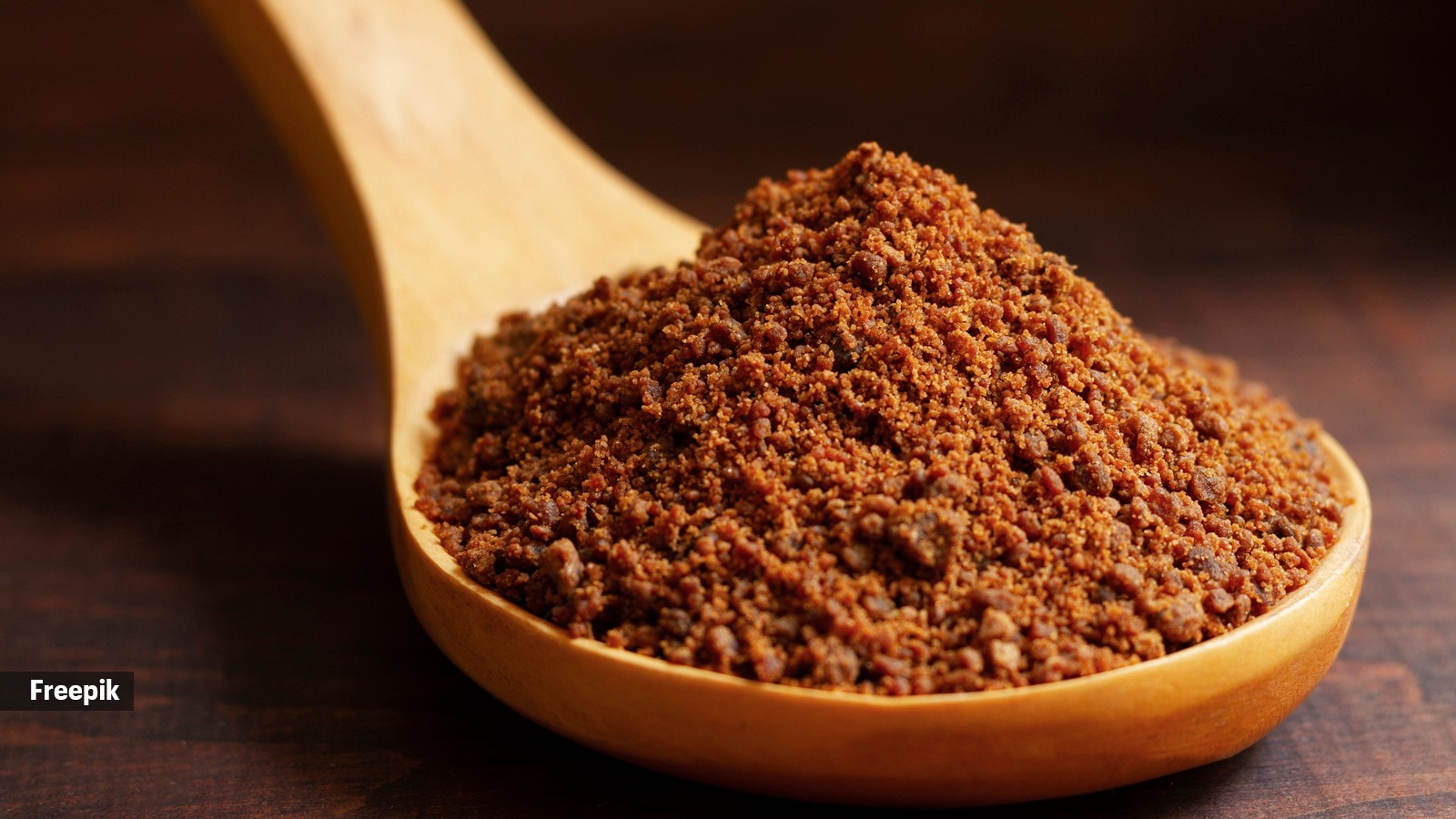

An Instagram user, rohansehgalofficial, shared that drinking tea with desi khand helps keep his blood sugar levels steadier than those with white sugar, which can cause spikes. As someone without diabetes, he found that stable glucose levels make him feel better and reduce his food cravings. “Prevention is the best medicine. Research today shows that high blood sugar variability over time can lead to health issues, including diabetes, heart disease & obesity,” he shared in his post.
His test revealed that “after drinking tea with desi khand, his blood sugar went up by only 13 mg/dL. When he used white sugar, his blood sugar increased by 24 mg/dL.”
But is desi khand really better than white sugar?
To answer this, we consulted Dr R Sundararaman, Senior Consultant in Internal Medicine at SIMS Hospital in Chennai. He explained, “Honestly, not by much. Desi khand is less processed, yes, but in the body, it behaves almost the same as regular sugar. Once you add a spoonful of it to your tea, your pancreas does not know the difference. It still has to deal with a quick rise in glucose.”
The doctor further explained, “Although desi khand may have a slightly lower glycemic index, the difference is very small. For people with diabetes or borderline blood sugar, seeing desi khand as a healthier choice can be misleading. The blood sugar spike will still happen.”
Does drinking tea with desi khand, either on an empty stomach or after a meal, affect blood sugar levels?
Yes, timing matters, the doctor said. “Drinking sweetened tea on an empty stomach often causes a bigger rise in blood sugar because there is nothing to slow down how fast it is absorbed. After a meal, the rise is much smaller.”
If you enjoy sweet tea and do not want to stop, a few small changes can help, Dr Sundararaman added :
* Try using only half a teaspoon of sweetener instead of a full teaspoon. Also, avoid drinking sweetened tea first thing in the morning.
* If you often experience glucose spikes, consider having your tea with a small protein or fibre-rich snack.
* Add flavour with cardamom, ginger, or cinnamon to help you use less sweetener.
These steps will not completely stop the spike, but they will reduce its size.
Story continues below this ad
For someone without diabetes who is tracking glucose for prevention, is a 24 mg/dL rise, as pointed out by the Instagram user, after tea, worrying?
Dr Sundararaman explained, “A single spike of 20 to 30 mg/dL after tea is normal. Even healthy people have these changes. Our blood glucose levels are supposed to rise and fall during the day based on what we eat.”
What matters most is the pattern, he added. “If these spikes occur multiple times a day, or if your fasting levels gradually increase over several months, then it is worth noting. Regular daily spikes from sugary beverages, such as tea and juices, or high-sugar snacks can gradually lead to insulin resistance.”
Therefore, a 24 mg/dL rise is not a problem in itself. However, if it occurs daily and you also consume other sweet foods or drinks, it can become an issue over time, the doctor concluded.
DISCLAIMER: This article is based on information from the public domain and/or the experts we spoke to. Always consult your health practitioner before starting any routine.

Leave a Reply