
4 min readNew DelhiFeb 19, 2026 06:00 AM IST
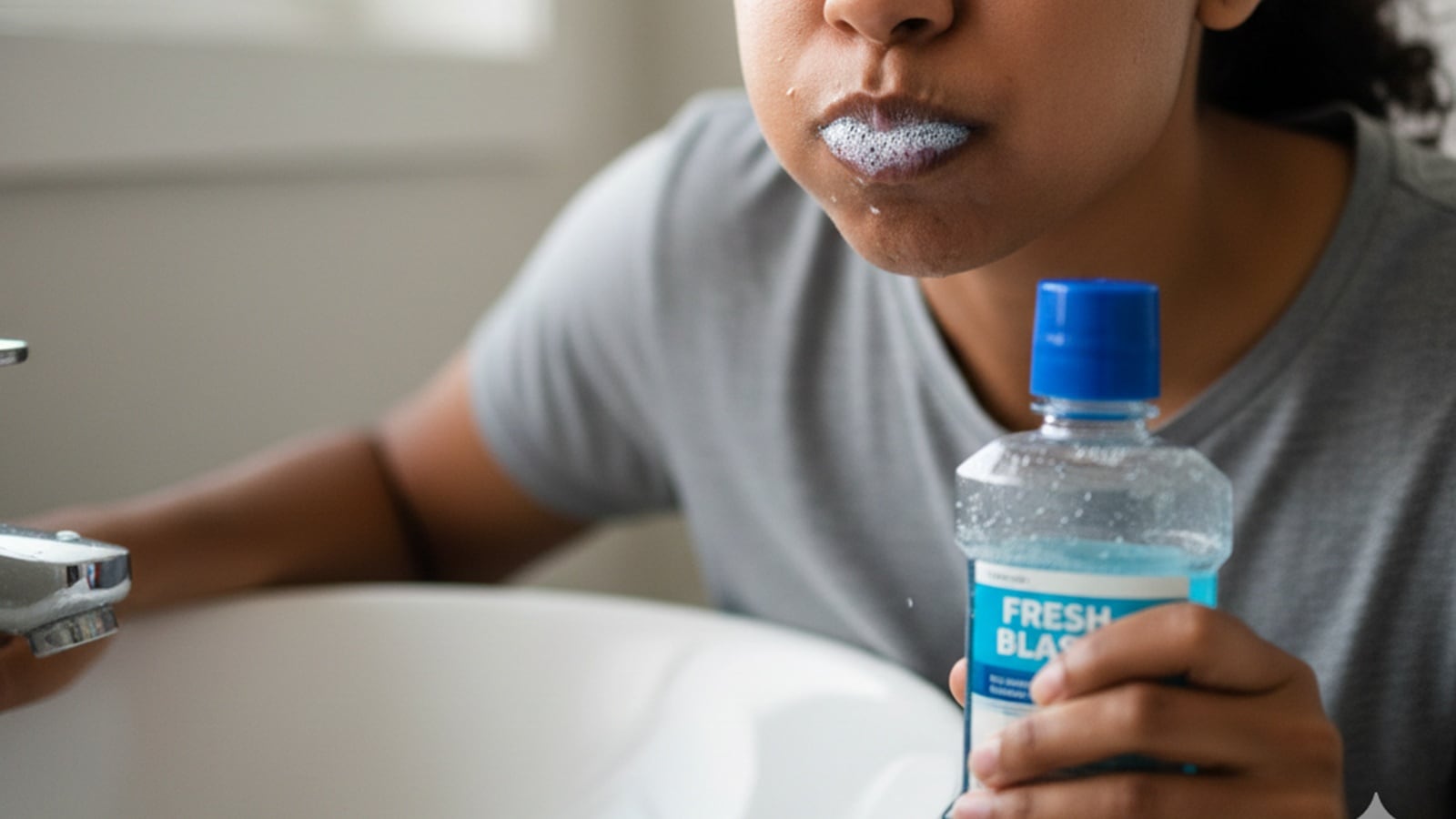
Daily oral hygiene is widely seen as a simple, non-negotiable part of staying healthy. But some dental professionals are now urging a closer look at how certain products may affect the body beyond teeth and gums. Dr Mark Burhenne, a San Francisco-based dentist with more than 40 years of experience, has issued a warning about a habit he says is shared by an estimated “200 million Americans.”
In an Instagram post titled “200 million Americans use this every morning. It raises their blood pressure, and their dentist never said a word,” he suggested that the pursuit of a “99.9 per cent clean” mouth may come with unintended consequences for cardiovascular and metabolic health. Dr Burhenne explained, “It’s indiscriminate. It wipes out the nitrate-reducing bacteria your body uses to produce nitric oxide — one of the most important molecules for blood pressure, insulin sensitivity, and cardiovascular function.”
To support his concerns, Dr Burhenne referenced several studies that he believes highlight a potential link between frequent mouthwash use and systemic health issues. He said, “A Harvard-affiliated study that followed nearly 1,000 adults over 3 years found that people who used mouthwash twice a day had a 55 per cent higher risk of developing prediabetes or diabetes. A separate study found twice-daily users had more than double the risk of developing high blood pressure. And a University of Plymouth study found mouthwash erased over 60 per cent of the blood pressure benefits of exercise — completely abolished them within 2 hours.”
He also criticised what he described as a lack of awareness around the issue, stating, “Here’s what most American dentists won’t tell you: your mouthwash is destroying the bacteria your body actually needs,” and adding that prioritising a sterile mouth over a balanced oral microbiome could have long-term consequences.
Link between regular use of antibacterial mouthwash and changes in blood pressure, blood sugar control or cardiovascular health
Dr Niyati Arora, BDS, MDS, a prosthodontist at Krown Hub Dental, tells indianexpress.com, “Just like our gut, our oral cavity has both good and bad bacteria. Evidence links excessive use of strong mouthwash to reduced beneficial oral bacteria that convert dietary nitrate into nitric oxide, which plays an important role in maintaining blood pressure; however, the long-term clinical impact remains unclear. There are no large population-based trials to support this claim yet, but long-term excessive use of strong mouthwash without proper prescription and counselling is not recommended.”
Should people reconsider using mouthwash daily?
Dr Arora asserts, “This in no way means that using mouthwash is dangerous for your health. Appropriate use of mouthwash can help maintain good oral hygiene. The frequency of use needs to be checked.”
She adds that strong chlorhexidine mouthwashes should be used only when prescribed by your dentist for a specific dental indication, typically for a fixed duration. “For routine oral hygiene, normal fluoride mouthwashes or betadine mouthwashes, which are clinically approved and proven safe for the good oral bacteria, can be used once or twice a day as required. Routine brushing and flossing should be the cornerstones of your oral hygiene routine.”
Best daily routine to follow to maintain a healthy mouth without disrupting beneficial bacteria
“Oral health and heart health are directly linked to each other,” confirms Dr Arora, adding that there is a plethora of evidence that links poor oral health to cardiovascular disorders. Therefore, maintaining good oral health is essential and requires strong oral hygiene.
Story continues below this ad
“Brushing teeth twice daily with normal fluoride toothpastes coupled with regular flossing to clean the interdental spaces is the most important routine to follow. Occasional use of commonly available fluoride mouthwashes is completely safe. If you face any dental issues, discuss them with your dentist before making any major changes to your oral hygiene routine,” concludes Dr Arora.
DISCLAIMER: This article is based on information from the public domain and/or the experts we spoke to. Always consult your health practitioner before starting any routine.

Leave a Reply