
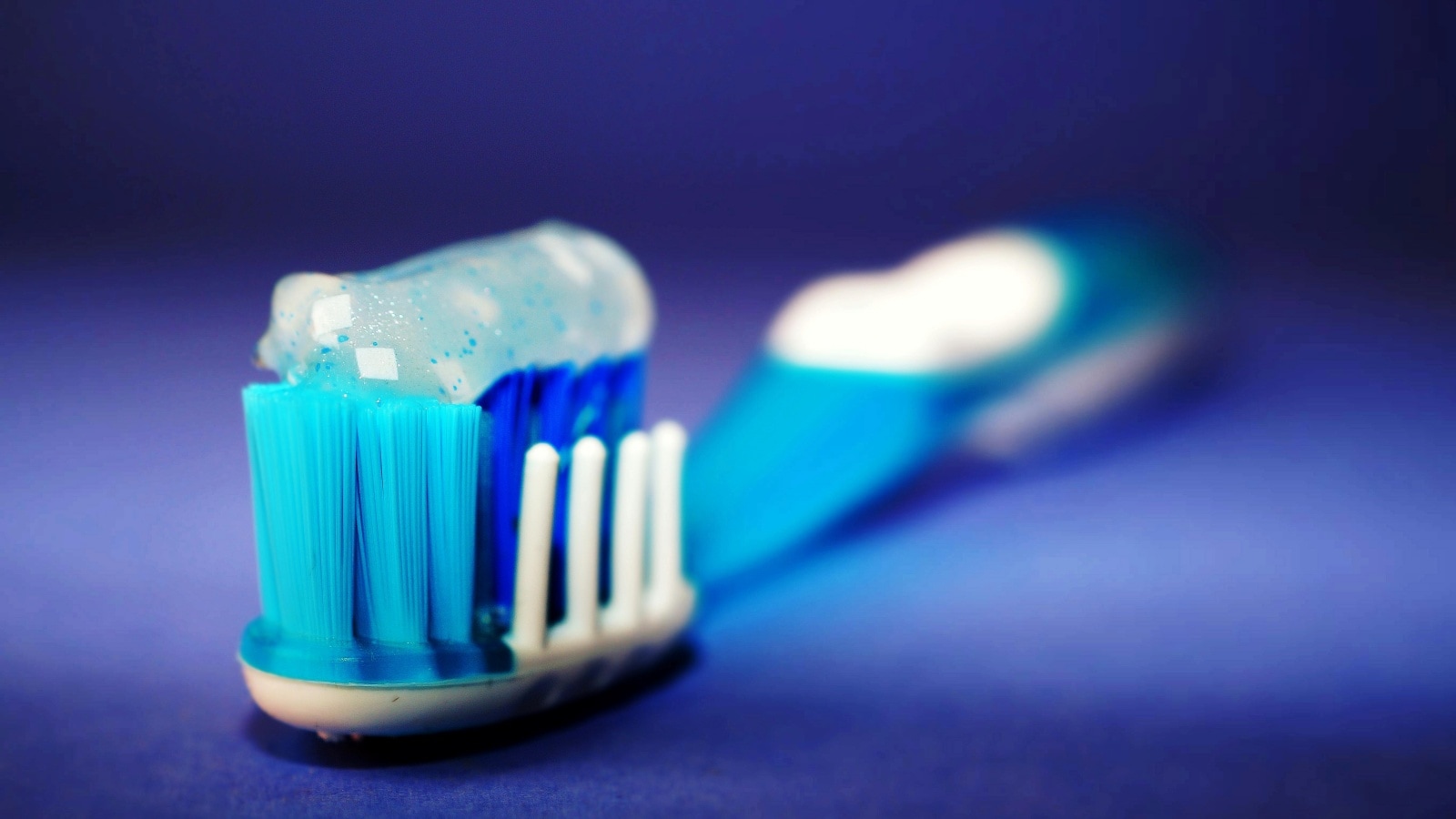
The Internet is a strange place with countless new health claims surfacing every day. One such unusual oral-care trend, dominating the landscape of many Western regions like California, Los Angeles, Seoul and Stockholm, is freezing your toothbrush overnight before using it in the morning. The internet claims that the icy bristles can “kill oral bacteria,” “shock plaque biofilm,” and even reduce gum inflammation. Videos of frost-covered toothbrushes being pulled out of freezers have racked up millions of views. But is there any science behind it?
To cut through the viral noise, indianexpress.com spoke to Dr Vipin Dehane, Consultant – Dental Sciences at Fortis Hospital Mulund and Fortis Hiranandani Hospital, Vashi, to understand whether freezing your toothbrush actually benefits oral health.
What do the experts believe?
 “Gum inflammation, or gingivitis, is a reversible inflammatory response of the gums to plaque accumulation and bacterial irritation,” explains Dr Dehane. While cold may feel calming, he is clear that “freezing a toothbrush has no scientific evidence to support any real improvement in gum health or reduction in gingival inflammation.”
Story continues below this ad
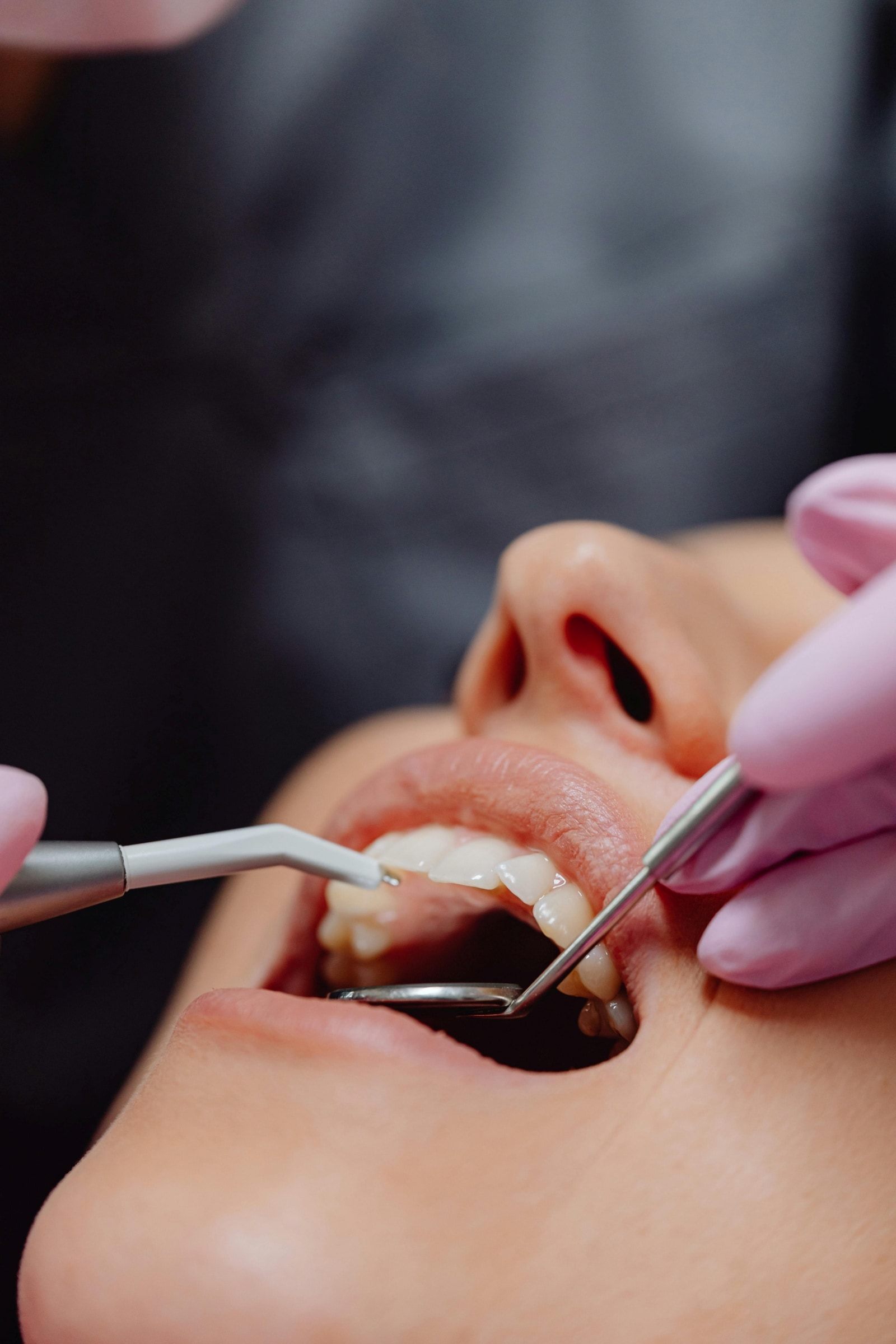 There is no clinical proof that a frozen toothbrush can disrupt or “shock” the plaque biofilm or significantly reduce oral bacterial load (photo: pexels)
According to him, the temporary comfort many users report is misleading. “Cold application can numb tissues and give a short-lived soothing sensation, but it does not treat the cause of gum inflammation,” he says, adding that plaque and tartar need mechanical removal, not temperature tricks. “A frozen toothbrush does not address the root cause and should be viewed as a social media myth rather than a clinically proven practice.”
Another popular claim online is that freezing can “shock” plaque biofilm and reduce oral bacteria. Dr Dehane dismisses this outright. “There is no clinical proof that a frozen toothbrush can disrupt or ‘shock’ plaque biofilm or significantly reduce oral bacterial load,” he says. Dental plaque, he explains, “is a structured biofilm that adheres firmly to tooth surfaces and gums. It cannot be effectively removed or altered by temperature changes alone.”
Story continues below this ad
In fact, freezing has no impact on “bacterial substantivity, plaque adherence, or tartar formation,” which are the real drivers of gum disease. For people with sensitive teeth or gums, the extreme cold may even cause discomfort, without delivering any benefit.
Dentist approved methods to manage gum inflammation
So what actually helps manage gum swelling? “The most effective way is professional dental care combined with consistent oral hygiene,” says Dr Dehane. This includes “scaling, root planing, and polishing every six months,” along with brushing twice daily using fluoridated toothpaste, flossing, interdental cleaning, and tongue hygiene.
Story continues below this ad
“In some cases, adjunctive therapies like LASER treatment may be recommended,” he adds. Most importantly, “regular dental check-ups allow early diagnosis and help maintain healthy gums and teeth over the long term.”
The takeaway is simple: freezing your toothbrush may look cool on social media, but when it comes to gum health, science still favours basics over buzz.
DISCLAIMER: This article is based on information from the public domain and/or the experts we spoke to. Always consult your health practitioner before starting any routine.

Leave a Reply