
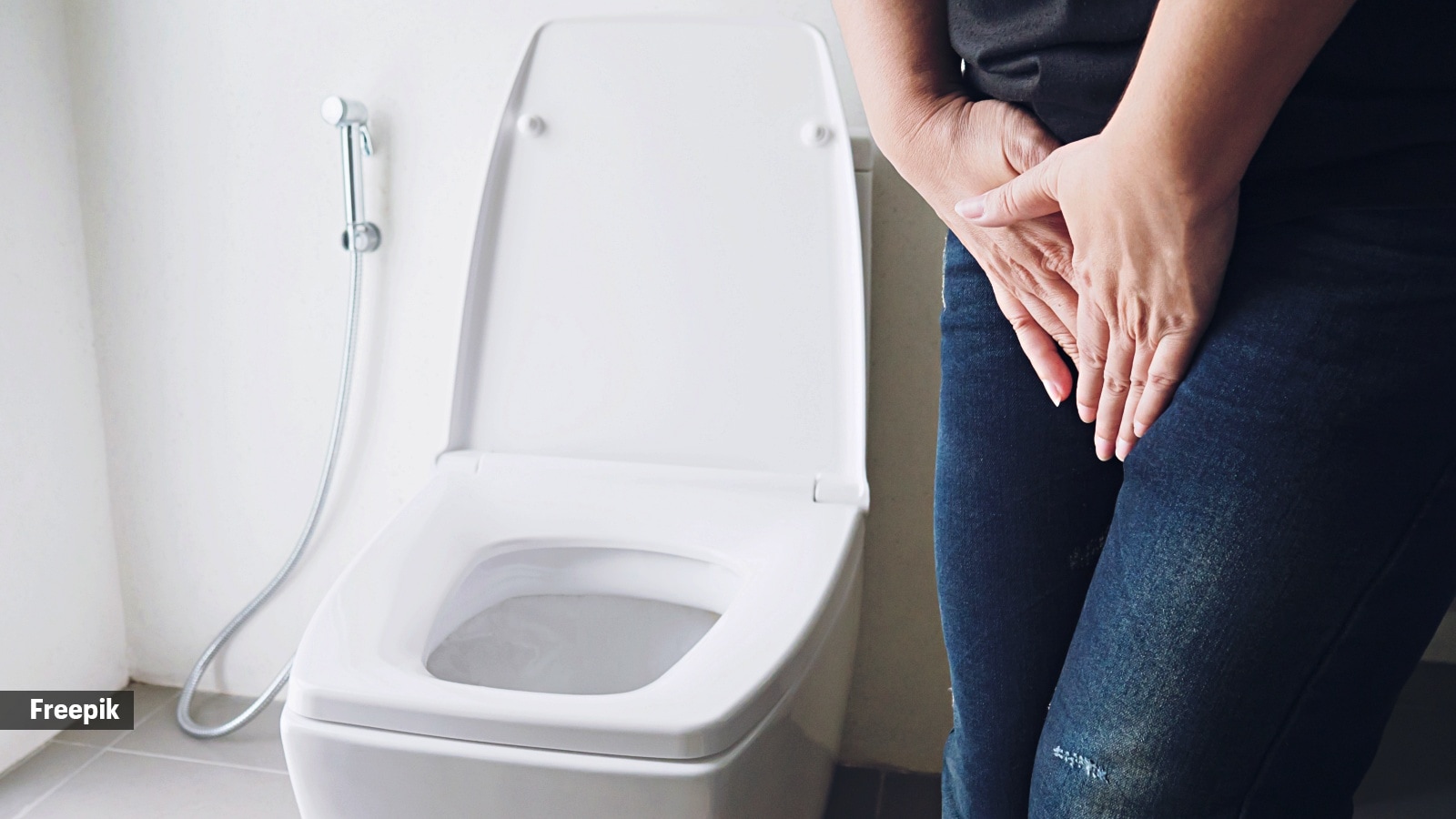
Frequent urination can be confusing. Are you making those rounds to the washroom because you’ve taken too many fluids, or feeling cold, have had too much coffee, or is there a kidney-related issue you should worry about? One such confused user turned to online forum Quora seeking answers, and we decided to get a credible reply from the doctors.
According to Dr Harsha Kumar H N, Senior Consultant – Nephrology & Transplant Physician, Aster RV Hospital, “Going to the bathroom more than eight times in a day, waking up at night frequently (nocturia), or feeling an urgent need to urinate with a small amount of urine should be seen as signs that medical advice needs to be sought.”
But what exactly counts as frequent urination? According to the nephrologist, going to the bathroom “more than eight times in a day or night and waking up at least once for the same purpose.” The number may slightly vary with water intake and climate. However, if these frequent rounds become routine without a clear reason, it warrants attention.
 If frequent urinating is accompanied by swelling of the feet or face, foamy urine, blood, burning or pain, fever, tiredness, or high blood pressure, kidney-related issues may be suspected (image: Pexels)
When the situation turns medical
While increased fluid intake can raise urine output, medical causes are common. These include urinary tract infections, diabetes, prostate enlargement in men, overactive bladder, pregnancy, and certain medications.
The concern rises when frequent urination appears alongside other symptoms. Dr Harsha explains, “If urinating a lot is also accompanied by swelling of the feet or face, foamy urine, blood in urine, burning or pain, fever, tiredness, or high blood pressure, kidney-related issues may be suspected.”
What makes kidney disease difficult to catch early is that it can be subtle. As he points out, “Silent early kidney disease can still alter urine patterns.” Persistent changes, especially in people with diabetes or hypertension, should never be ignored. “Immediate medical evaluation is a must to avoid complications and detect kidney or urinary disorders at an early stage.”
Story continues below this ad
Warning signs that need immediate medical care
Certain symptoms alongside frequent urination require prompt evaluation. “If frequent urination is accompanied by warning signs like blood in the urine, burning or painful urination, fever or chills, pain in the lower back or side or very smelly and cloudy urine, it is a situation that requires immediate medical attention,” says Dr Harsha.
Swelling of the face, feet, or ankles, foamy urine, increased tiredness or high blood pressure can also be signs of kidney disease. For people with diabetes, “sudden weight loss, drinking lots of water, and urinating very high volumes” are red flags. In men, difficulty starting urine flow or a thin stream may suggest prostate problems, while “nighttime urination combined with breathlessness or chest pain should be evaluated quickly.”
DISCLAIMER: This article is based on information from the public domain and/or the experts we spoke to. Always consult your health practitioner before starting any routine.

Leave a Reply